
Biomedical and genetic engineers at Duke University and the Albert Einstein College of Medicine have made a groundbreaking discovery that could revolutionize deep tissue imaging and cellular manipulation. Their innovative technique involves naturally increasing the levels of a light-sensitive molecule known as biliverdin throughout the body, opening up new possibilities for medical research and treatment.
Published in the prestigious journal Nature Communications on July 14, 2025, this research showcases the potential of biliverdin to enhance both imaging capabilities and cellular control. Biliverdin is a biomolecule that has shown promise in absorbing near-infrared (NIR) light, enabling it to penetrate deep into tissues. However, its presence has been limited to blood-rich organs, leaving areas like the brain relatively inaccessible to traditional imaging techniques.
To address this limitation, the research team devised a method to elevate biliverdin levels throughout the entire body by silencing the enzyme responsible for its breakdown. By inhibiting biliverdin reductase-A in mice, the researchers effectively increased the molecule’s concentration, allowing for improved optogenetic control of cellular behavior using NIR light. This advancement led to significant outcomes, including a 60% reduction in blood glucose levels in mouse models of diabetes through light-induced insulin production.
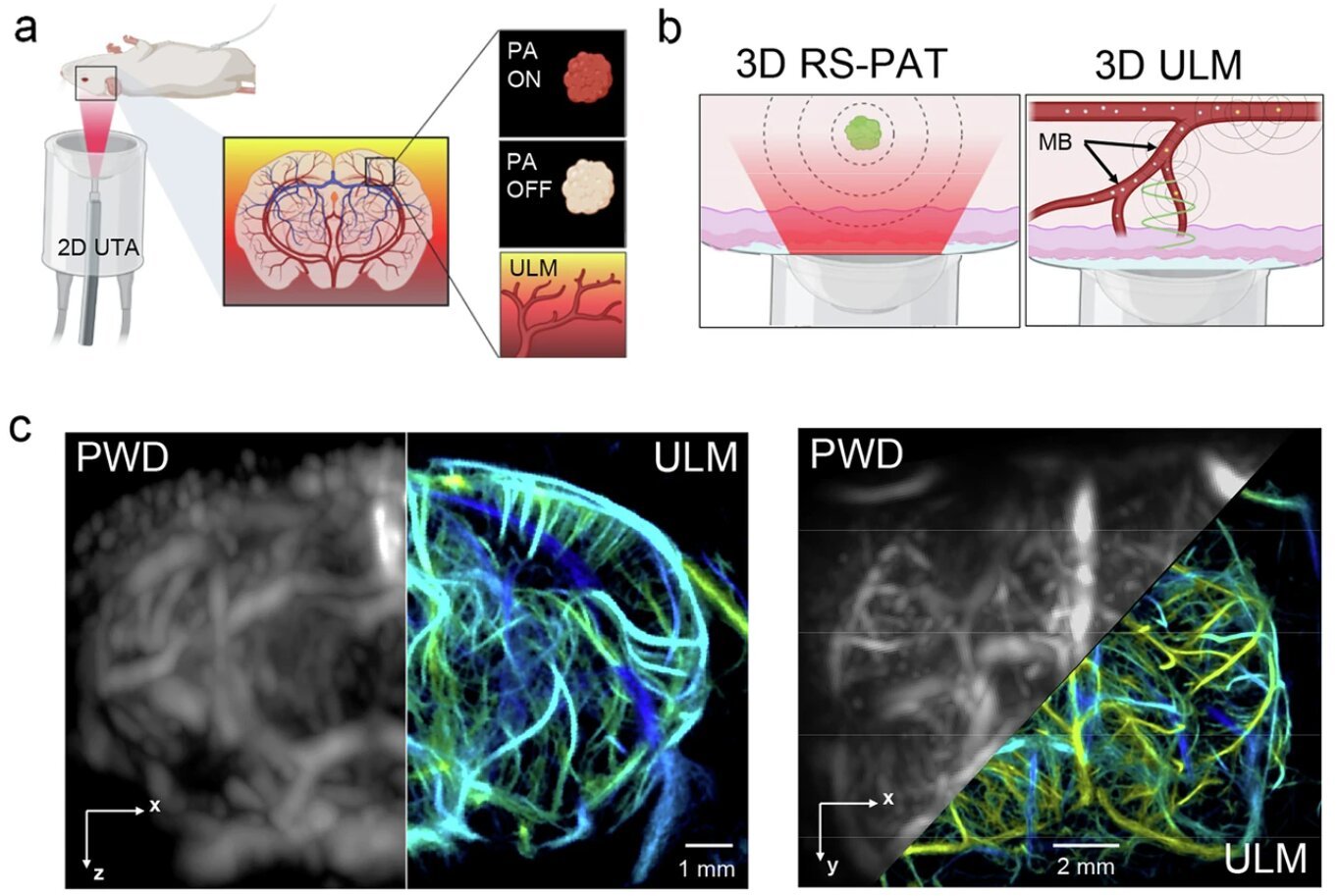
Moreover, the team demonstrated the effectiveness of their approach in deep tissue imaging using photoacoustic tomography (PAT). By combining NIR-absorbing proteins with biliverdin, they achieved enhanced imaging depth and resolution, enabling detailed visualization of neuronal activity and vascular structures within the brain. This breakthrough has the potential to shed light on complex physiological processes and disease mechanisms, paving the way for future studies on various organ systems.
Looking ahead, the researchers envision a multitude of applications for their technology, ranging from therapeutic protein generation to long-term disease monitoring. By harnessing the power of optogenetics and advanced imaging techniques, they hope to unlock new insights into human health and disease pathology. This collaborative effort between Duke University and the Albert Einstein College of Medicine exemplifies the transformative impact of interdisciplinary research in the field of biomedical engineering.
As this innovative research continues to unfold, the possibilities for improving healthcare and understanding the complexities of the human body are limitless. By harnessing the potential of light-sensitive molecules like biliverdin, scientists are paving the way for a new era of medical innovation and discovery.