
China battles outbreak of Chikungunya virus
Thousands have fallen ill.
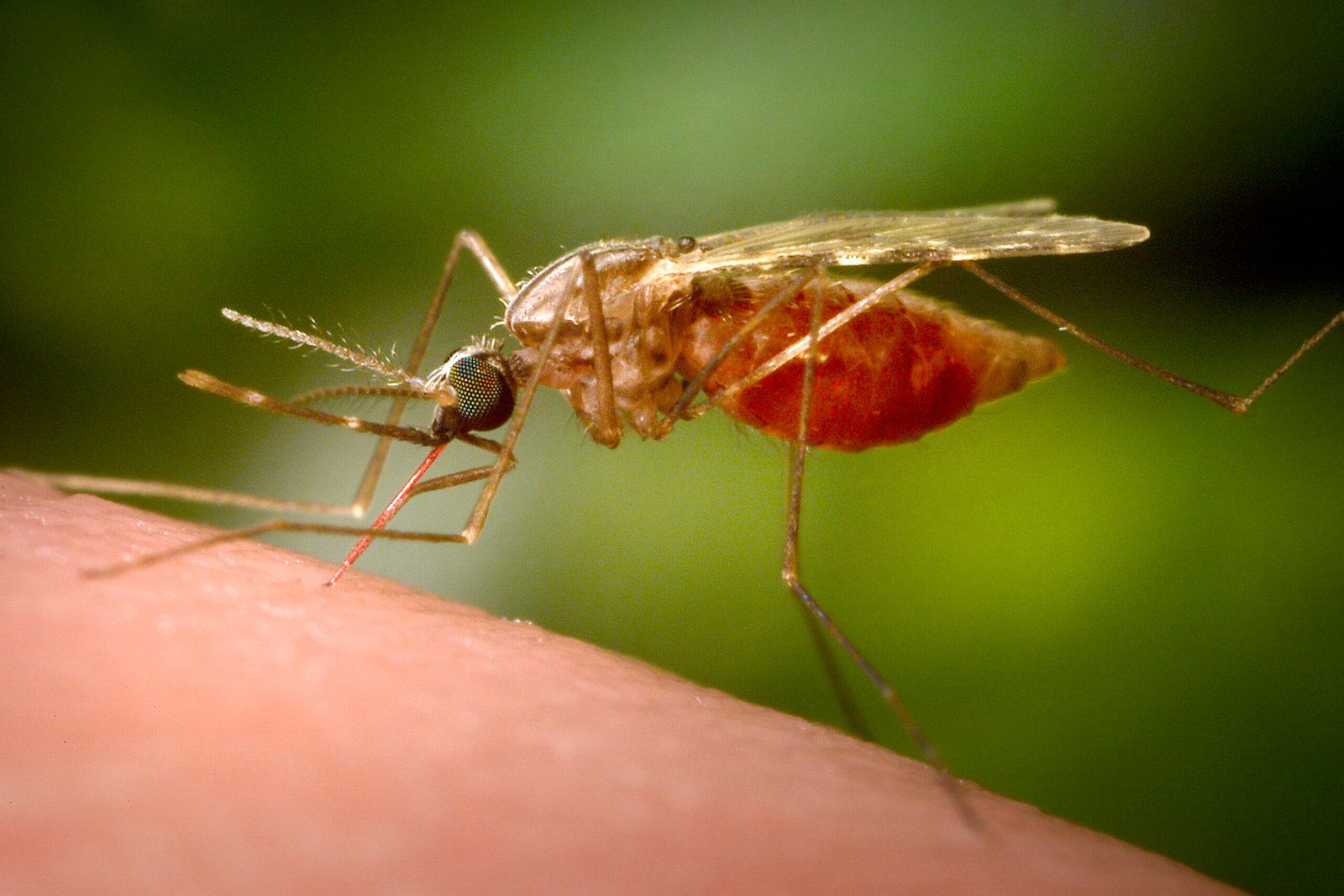
A recent outbreak of the Chikungunya virus in China has left thousands of people ill and struggling to cope with the symptoms of this debilitating disease. The virus, which is transmitted by mosquitoes, has spread rapidly across several provinces in China, causing widespread concern among health officials and the general public.
Key points:
- Transmission: The Chikungunya virus is primarily transmitted to humans through the bite of infected Aedes mosquitoes.
- Symptoms: Common symptoms of Chikungunya include fever, joint pain, muscle aches, headache, and rash.
- Prevention: Preventive measures such as using mosquito repellent, wearing long sleeves and pants, and eliminating standing water where mosquitoes breed can help reduce the risk of infection.
- Treatment: There is currently no specific antiviral treatment for Chikungunya, and supportive care to relieve symptoms is the main form of treatment.
China’s response to the outbreak
The Chinese government has taken swift action to contain the spread of the virus, implementing mosquito control measures in affected areas and providing medical treatment to those who have fallen ill. Health officials are also working to raise awareness about the importance of preventive measures to reduce the risk of infection.
Despite these efforts, the outbreak continues to pose a significant challenge to public health in China, with hospitals and healthcare facilities struggling to cope with the influx of patients seeking treatment for Chikungunya symptoms.
Looking ahead
As the outbreak of Chikungunya virus in China continues to unfold, it is crucial for individuals to take steps to protect themselves from mosquito bites and reduce the risk of infection. By working together to implement preventive measures and support those affected by the virus, China can overcome this public health crisis and prevent future outbreaks from occurring.
