
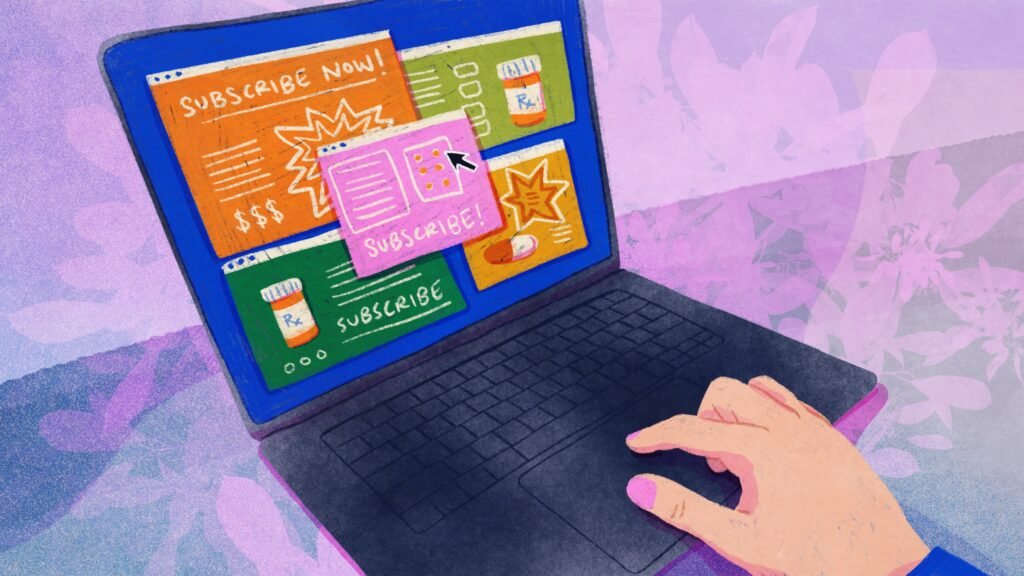
President Trump has been vocal about his demands for the pharmaceutical industry to lower drug prices, and one of the ideas that has gained traction is selling drugs directly to consumers. Companies like Eli Lilly, Novo Nordisk, Bristol Myers Squibb, and others have already started implementing this model for certain medications.
For example, Eli Lilly and Novo Nordisk have been offering discounted cash prices to patients who do not use insurance for their weight loss and diabetes treatments. Bristol Myers Squibb recently announced that they would be selling their blood thinner Eliquis directly to patients, and Novo has plans to do the same with their diabetes drug Ozempic. This trend has been dubbed “pharm-to-table” within the industry.
While the concept of selling drugs directly to consumers may seem appealing, experts warn that it may not actually lead to lower prices for most patients. The cash prices offered by pharmaceutical companies are still quite high, often costing several hundred dollars per month. Additionally, purchasing drugs directly from the manufacturer means that the spending does not count towards deductibles or out-of-pocket maximums, which are designed to limit costs over time.
Despite the enthusiasm from some pharmaceutical companies, the reality is that selling drugs directly to consumers may not result in significant cost savings for patients. This is a complex issue that requires careful consideration of the potential implications for both patients and the healthcare system as a whole.