
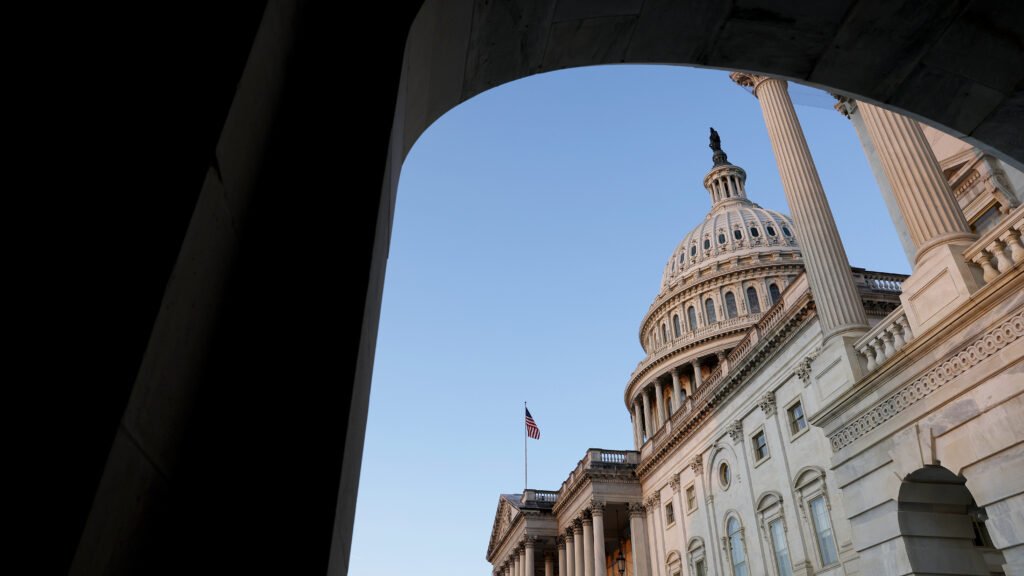
As Congress returns from recess and faces a looming deadline for government funding, critical health care policies are at stake. The deadline for funding the government is Sept. 30, and while temporary funding measures could be passed to allow for negotiation, the possibility of a government shutdown is not off the table. It is likely that a true appropriations bill will not be finalized until the end of the year.
One of the key issues that will impact the government-funding debate is the expiring enhanced subsidies that have made Affordable Care Act marketplace plans more affordable. These subsidies have significant cost implications and political importance, which will in turn affect a range of other health care policies.
As the debate unfolds, the future of these subsidies will be closely watched, as they play a crucial role in making health insurance more accessible to millions of Americans. The outcome of this debate could have far-reaching implications for the affordability and accessibility of health care coverage for individuals and families across the country.
In addition to the issue of subsidies, Congress will also be grappling with a range of other health care policies, including prescription drug pricing, telehealth expansion, and federal funding for Medicaid and Medicare. These policies are all critical to the overall health care landscape and will require careful consideration and negotiation to reach a resolution.
As Congress navigates these complex issues, it is important for lawmakers to prioritize the needs of the American people and work towards solutions that will improve access to quality, affordable health care for all. The decisions made in the coming weeks and months will have a lasting impact on the health and well-being of millions of individuals, underscoring the importance of finding common ground and reaching bipartisan agreements that prioritize the needs of the American people.