
A groundbreaking study conducted by scientists at Ben-Gurion University of the Negev has revealed a fascinating discovery about how human cells operate a synchronized traffic control system to monitor nutrient availability and maintain cellular energy balance. This new finding challenges traditional beliefs about how cells sense and respond to changes in nutrient levels, offering potential breakthroughs in treating diabetes and cancer.
Led by Prof. Ehud Ohana and Ph.D. student Noa Yehoshua, the study was recently published in Nature Communications. The research sheds light on a sophisticated mechanism within cells that actively monitors nutrient levels at the cell surface, enabling rapid adjustments in metabolism within minutes, rather than hours as previously believed.
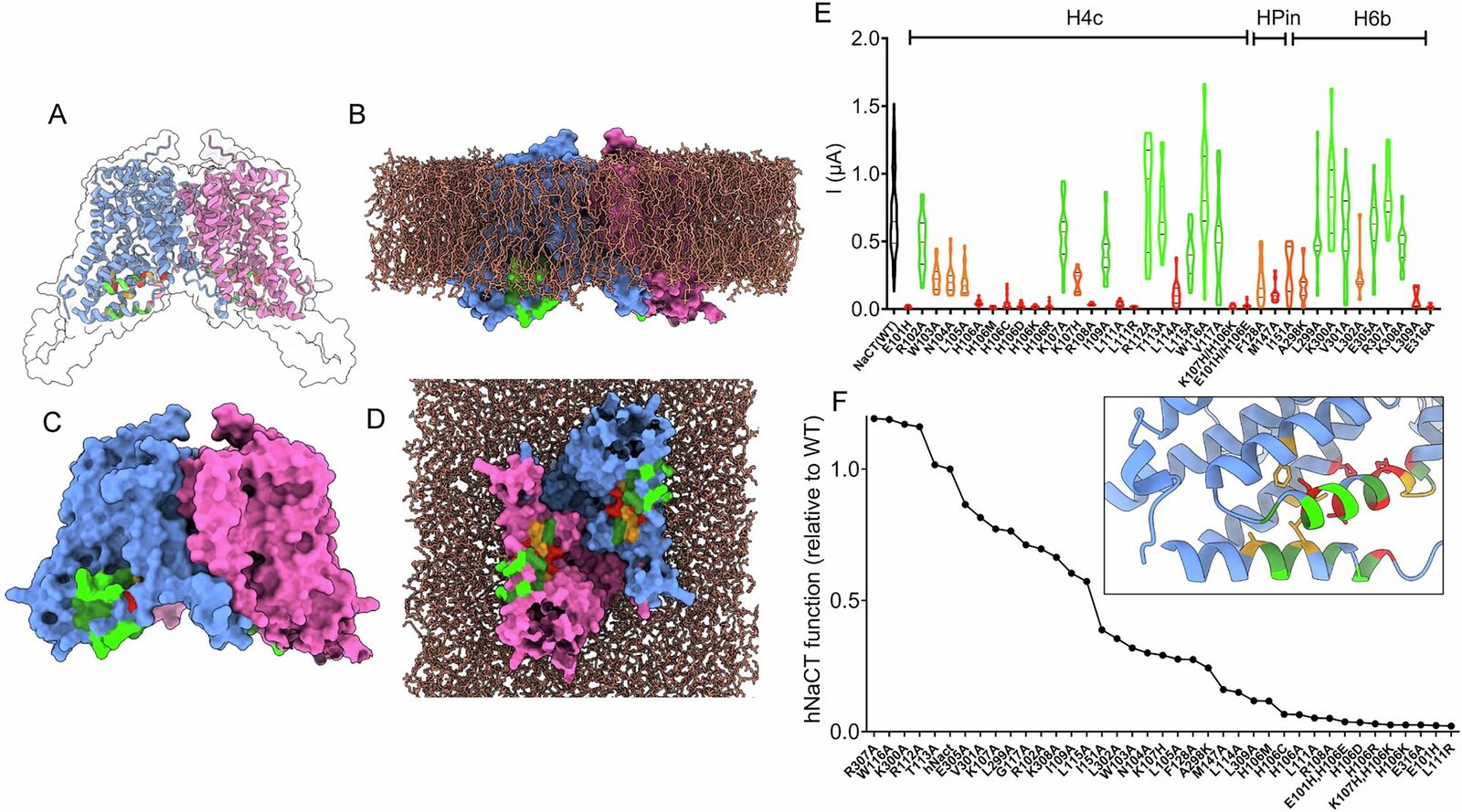
The key players in this synchronized system are two transporter proteins, NaCT and Glut, which work together to sense and communicate nutrient availability, coordinating energy balance and blood sugar control. This coordination is made possible by a specific molecular region in NaCT called the H4c domain, which facilitates the precise synchronization of nutrient uptake and energy management.
Remarkably, disrupting NaCT expression in mice led to increased glucose uptake by cells, resulting in a significant drop in blood glucose levels. This discovery opens up new possibilities for targeting this synchronized nutrient-sensing system to effectively control blood sugar levels in diabetic patients, offering a potentially game-changing approach to diabetes treatment.
Beyond diabetes, this research holds promise for developing treatments for various metabolic diseases, including cancer. By understanding and targeting the synchronized interaction between NaCT and Glut, researchers aim to reprogram tumor cell metabolism and potentially eradicate specific tumors in mice. This innovative approach could pave the way for breakthrough treatments that not only manage but cure these challenging diseases.
The study, conducted by Ph.D. student Noa Yehoshua and her team, represents a paradigm shift in targeting transporter interactions rather than individual proteins or cell signals. This holistic approach offers new opportunities for drug development and collaboration with international companies to translate these discoveries into impactful treatments for millions worldwide.
As the research progresses, BGN Technologies, the tech transfer company of Ben-Gurion University, is committed to facilitating collaborations to bring these discoveries from the lab bench to the bedside, offering hope for a brighter future in the field of metabolic disease treatment.
For more information on this groundbreaking research, you can refer to the study published in Nature Communications by Noa Yehoshua et al. (DOI: 10.1038/s41467-025-62103-3). This study marks a significant milestone in understanding cellular nutrition and energy balance, with far-reaching implications for the future of diabetes and cancer treatment.