
The impact of protein on recovery after physical training has been a topic of interest for researchers at Texas A&M University’s Department of Kinesiology and Sport Management. Led by Dr. Richard Kreider, a seasoned researcher in sports nutrition, the study focused on how different protein sources in military-style meals ready-to-eat (MREs) affected recovery in members of Texas A&M’s Corps of Cadets after completing the Army Combat Fitness Test.
Creatine, a crucial compound for cellular energy production and recovery stored in muscles, is predominantly found in animal-based proteins like meat and fish. Individuals following vegetarian or vegan diets often fall short of the recommended daily intake of 2 to 4 grams of creatine, leading to challenges in recovery after intense training due to a lack of essential amino acids.
The study compared recovery outcomes between pork-based and plant-based MREs to assess the influence of protein sources on recovery in individuals. The 2023 MRE meal plan included nine plant-based options and 14 animal-based menus, with pork being particularly rich in creatine and essential amino acids. Researchers aimed to determine if protein sources impacted recovery outcomes.
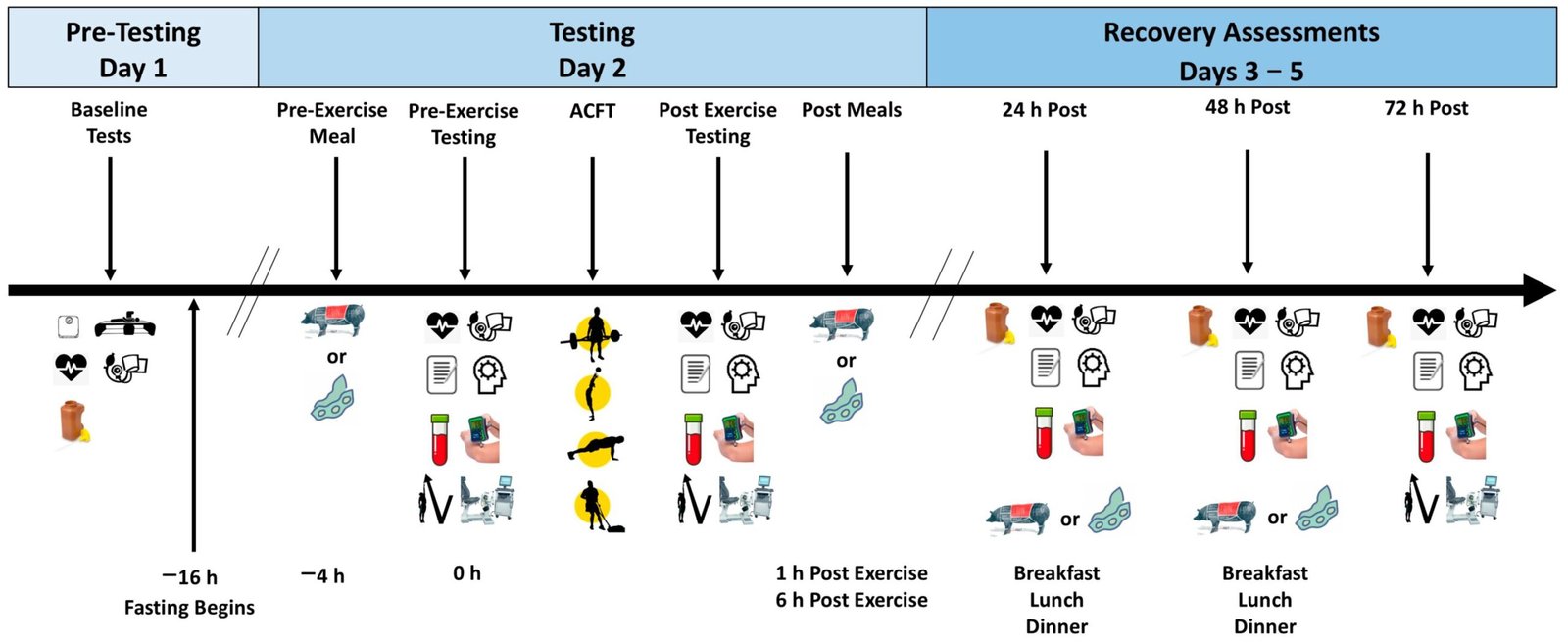
The research involved members of the Corps of Cadets consuming either pork-based or plant-based protein after the Army Combat Fitness Test. The participants followed a strict four-day protocol, consuming pre-exercise meals before completing the fitness test and standardized MREs for the following days. Biomarkers, muscle soreness, and cognitive performance were monitored throughout the recovery period, with cadets repeating the fitness test on the third day.
The results showed that individuals consuming pork-based MREs experienced less muscle soreness, reduced nitrogen excretion, lower inflammation levels, and improved hormonal responses compared to those consuming plant-based protein. The study highlighted the importance of essential amino acids and creatine in animal-based proteins for optimal recovery and performance after intense physical activities.
Published in the journal “Nutrients,” the study recommends fortifying plant-based MREs with essential amino acids and creatine to support recovery and performance in military personnel following a vegetarian diet. Dr. Kreider emphasized the significance of protein type in recovery outcomes, stating that individuals with low creatine and low-quality protein in their diet may struggle to recover and perform during physically demanding tasks.
The findings underscore the importance of protein quality in promoting optimal recovery and performance, not only in military settings but also in sports and aging. Understanding the impact of protein on recovery can help individuals tailor their dietary choices to support their physical well-being and performance in various activities.
