
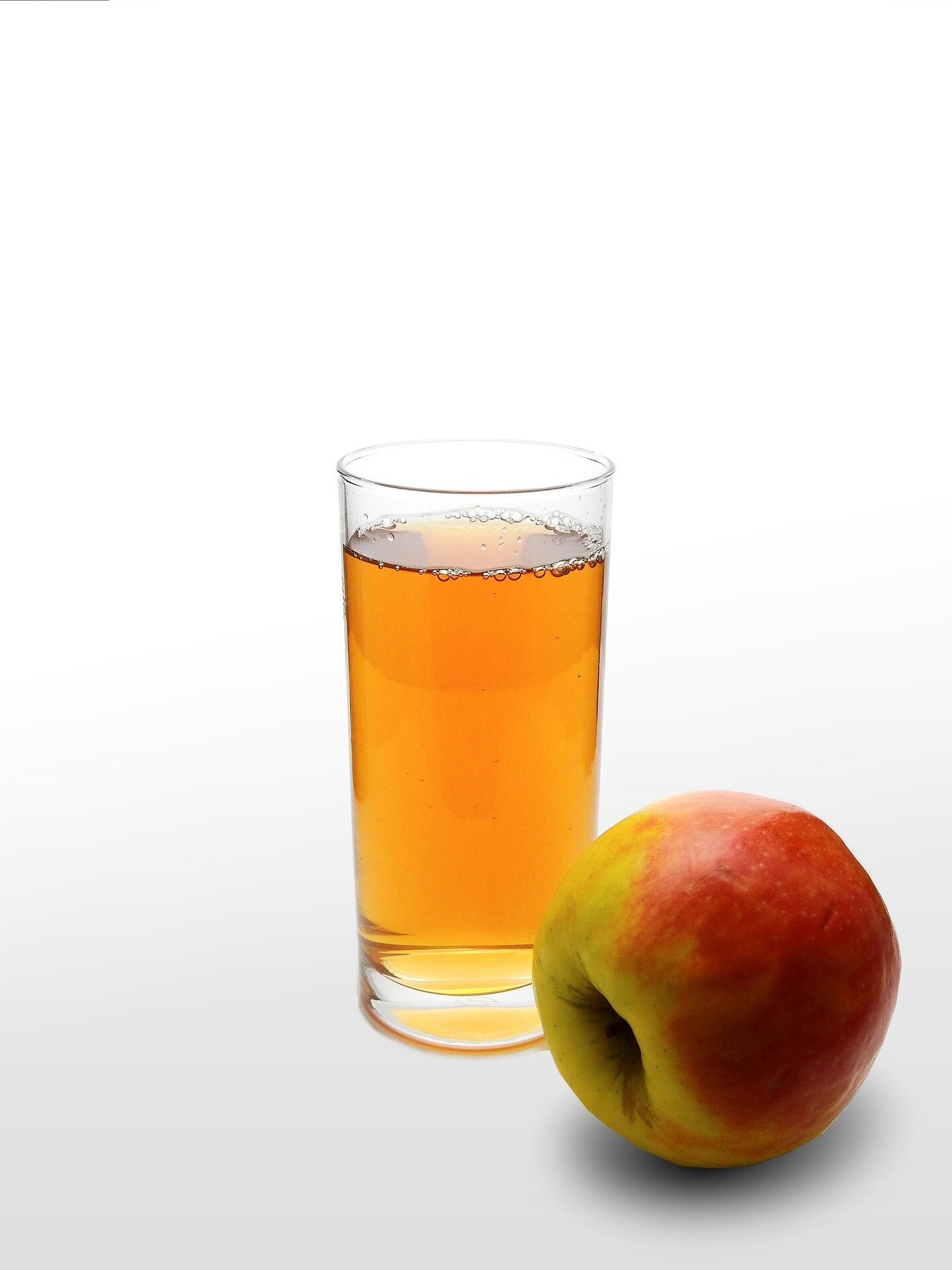
Saliva is a powerful tool in protecting our oral health, as a recent study from the University of Portsmouth has revealed. Published in PLOS One, this research is the first of its kind to investigate how drinking apple juice affects saliva’s lubricating properties using advanced scientific techniques.
Our saliva acts as a natural defense mechanism against friction and bacteria in our mouths by creating a slippery film on our teeth. It also aids in repairing early damage to tooth enamel. While it has been known that different drinks can impact this protective layer, the exact nature and duration of these effects were previously unclear.
The study involved 32 healthy participants who were analyzed to see how rinsing with apple juice for one minute affected saliva, as compared to rinsing with water. Surprisingly, the research found that the mouth’s natural defenses recover quickly after being exposed to apple juice for a short period of time.
Although apple juice initially disrupted saliva, the effects began to diminish within just 10 minutes. In contrast, water caused greater initial disruption to saliva’s protective properties, but the recovery time was much faster. Lead author Dr. Mahdi Mutahar from the University of Portsmouth’s School of Dental, Health, and Care Professions expressed his surprise at these findings.
The study also identified specific proteins in saliva that are affected by drinking apple juice. Immunoglobulins, cystatins, and carbonic anhydrase decreased significantly, while mucins—the primary lubricating proteins—remained stable. This knowledge could lead to the development of new toothpastes and mouthwashes designed to enhance the mouth’s natural defenses.
There are some key takeaways from this research in terms of changing our hygiene habits. It is suggested to drink apple juice quickly rather than sipping it throughout the day, rinse your mouth with water immediately after consumption, use a straw to minimize contact with teeth, and allow time for saliva to repair and protect the teeth.
The research team is now looking into the effects of repeated exposure to acidic drinks and plans to investigate how apple juice directly impacts teeth. They are also exploring the potential benefits of adding protective proteins to everyday drinks to strengthen the mouth’s natural defenses.
This collaborative research between the University of Portsmouth and the University of Leeds has opened up new possibilities for understanding the effects of food and drink on oral health. By combining expertise in dental health and material science, the hope is to improve dental care and develop oral devices that support saliva’s protective abilities.
In conclusion, while moderate consumption of fruit juice may not be immediately harmful, it is essential to be mindful of the frequency and duration of exposure to acidic drinks for optimal oral health. By making simple changes to our drinking habits and utilizing the protective properties of saliva, we can better protect our teeth and overall oral health.