
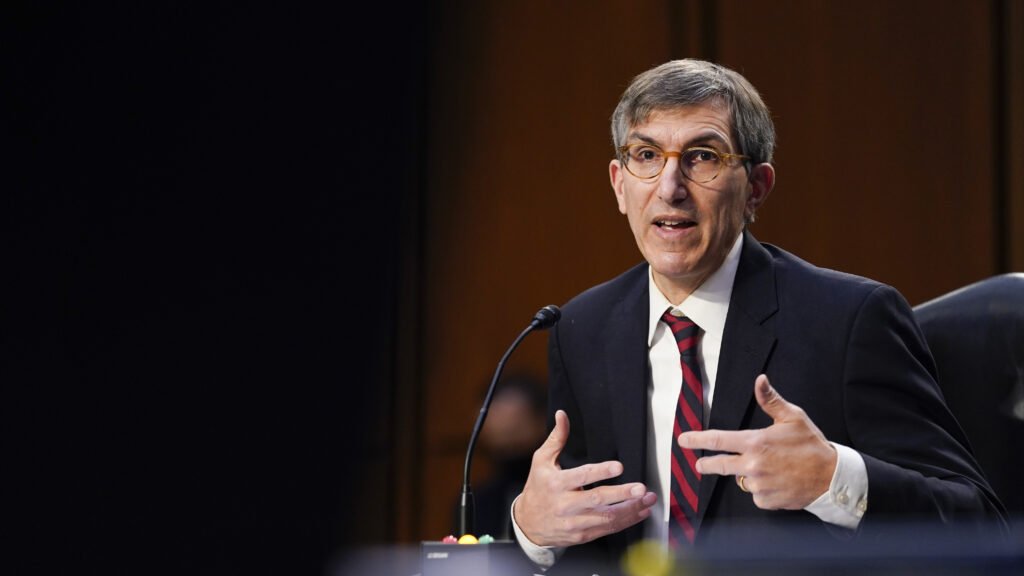
Peter Marks, the former top vaccine regulator at the Food and Drug Administration, has recently made a career move to join Eli Lilly in a key role overseeing molecule discovery and infectious diseases. Despite his excitement for this new opportunity, Marks’ transition from a regulatory position to a pharmaceutical company has raised concerns about the revolving door between government agencies and industry.
Marks officially confirmed his new role at Lilly Research Laboratories to STAT, a leading source of healthcare news. His first day on the job was this past Monday, signaling a significant shift in his career trajectory. In his statement to STAT, Marks expressed his enthusiasm for the potential to make a positive impact on public health by advancing the development of infectious disease products.
However, the move has sparked debate within the healthcare community about the ethics of such transitions from regulatory bodies to pharmaceutical companies. Critics argue that these shifts could create conflicts of interest and raise questions about the impartiality of regulatory decisions. The concern is that individuals who have worked in government positions overseeing the industry may be influenced by their past relationships and experiences when making decisions that affect public health and safety.
Despite the controversy surrounding his move, Marks remains focused on the opportunity to contribute to the development of innovative treatments for infectious diseases. His expertise in vaccine regulation and public health will undoubtedly bring valuable insights to Eli Lilly’s research efforts in this critical area.
As the debate over the revolving door between government agencies and industry continues, it is essential for regulatory bodies and pharmaceutical companies to maintain transparency and uphold the highest standards of ethical conduct. By prioritizing the interests of public health above all else, stakeholders can work together to ensure that regulatory decisions are made with integrity and objectivity.
In conclusion, Peter Marks’ transition to Eli Lilly represents a significant career move that has sparked important discussions about the relationship between government regulators and the pharmaceutical industry. While concerns about conflicts of interest persist, Marks’ expertise and dedication to public health will undoubtedly make a valuable contribution to the development of new treatments for infectious diseases. The healthcare community must remain vigilant in monitoring these transitions and upholding ethical standards to safeguard public health and safety.