
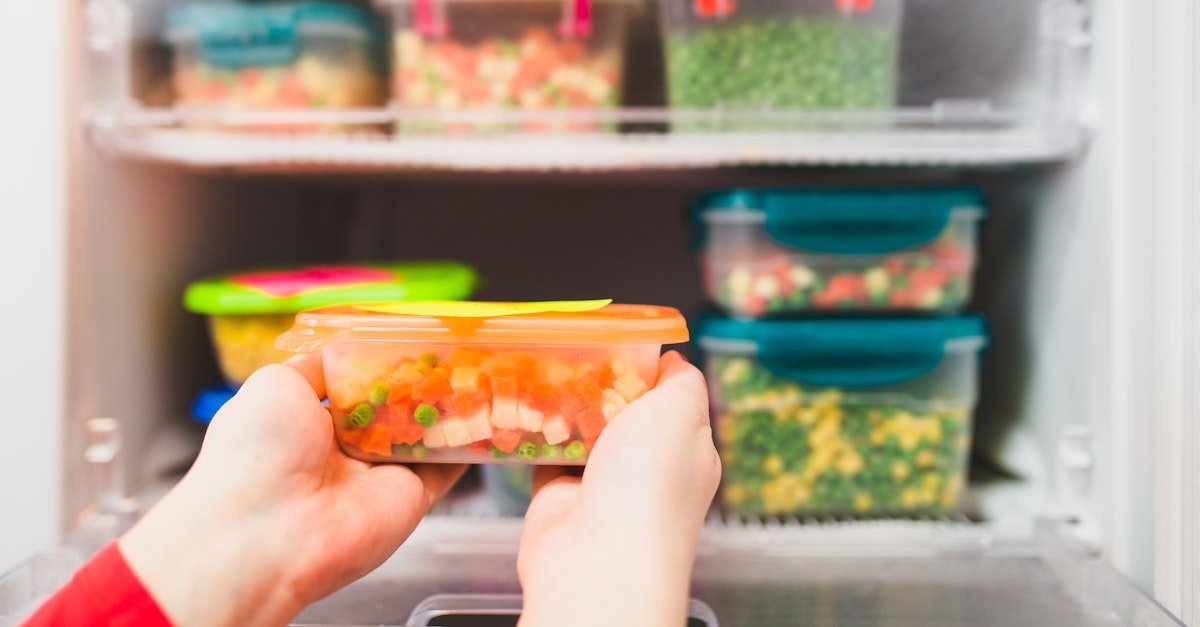
Frozen vegetables are often overlooked in favor of fresh produce, but they can be a great addition to a healthy diet. In fact, frozen vegetables offer many of the same benefits as fresh vegetables, and sometimes even more.
According to Prof. Tim Spector, ZOE’s scientific co-founder and a professor of epidemiology at King’s College London, frozen fruits and vegetables contain just as many nutrients as fresh produce, if not more. This is because freezing vegetables soon after harvesting helps to preserve their nutritional content for longer.
One of the key benefits of frozen vegetables is their longer shelf life. This means you can keep them on hand for longer periods of time without worrying about them going bad. Additionally, frozen vegetables are often more affordable than fresh produce, making them a budget-friendly option for many people.
When it comes to the nutritional content of frozen vegetables, studies have found that they are very similar to fresh vegetables. In fact, frozen vegetables may even have higher levels of certain nutrients, such as vitamin C. While there may be slight differences in nutrient levels between fresh and frozen vegetables, these differences are generally small and do not make one type healthier than the other.
Thawing frozen vegetables does not significantly affect their nutrient levels, but it may affect their texture. It is best to heat frozen vegetables without thawing them first to help them retain their shape. When cooking frozen vegetables, it is important to choose a cooking method that preserves their nutritional value, such as steaming or baking.
In terms of convenience, frozen vegetables are a great option as they are readily available in and out of season and require minimal preparation. They also tend to soften more quickly during cooking, making them ideal for soups, stews, and casseroles.
When buying frozen vegetables, it is important to check the labels for added ingredients such as salt, sugar, and seasonings. Opt for frozen vegetables with fewer added ingredients for a healthier choice.
In summary, frozen vegetables can be a nutritious and cost-effective option for adding more vegetables to your diet. With their long shelf life, affordability, and convenience, frozen vegetables are a great choice for busy individuals looking to maintain a healthy lifestyle. Are you looking for ways to reduce food waste and improve your gut health at the same time? One simple solution is to chop and freeze any fresh vegetables that you have on hand. By freezing these vegetables, you can preserve them for later use and prevent them from going to waste.
Incorporating frozen vegetables into your diet can also be beneficial for your overall health. By increasing the diversity of plants in your diet, you are supporting the community of bacteria in your gut, also known as your gut microbiome. A diverse gut microbiome is essential for maintaining good digestion, immune function, and overall well-being.
If you are interested in taking your gut health to the next level, consider trying the ZOE at-home test kit. This innovative kit analyzes your gut microbiome and provides personalized recommendations for the best foods to support your body and energy levels. By becoming a ZOE member, you can gain valuable insights into how your gut microbiome functions and how you can optimize it for better health.
Don’t let your fresh vegetables go to waste – chop and freeze them for later use. And if you’re looking to improve your gut health, consider incorporating frozen veggies into your diet and exploring the benefits of the ZOE at-home test kit. Your gut will thank you for it!
