
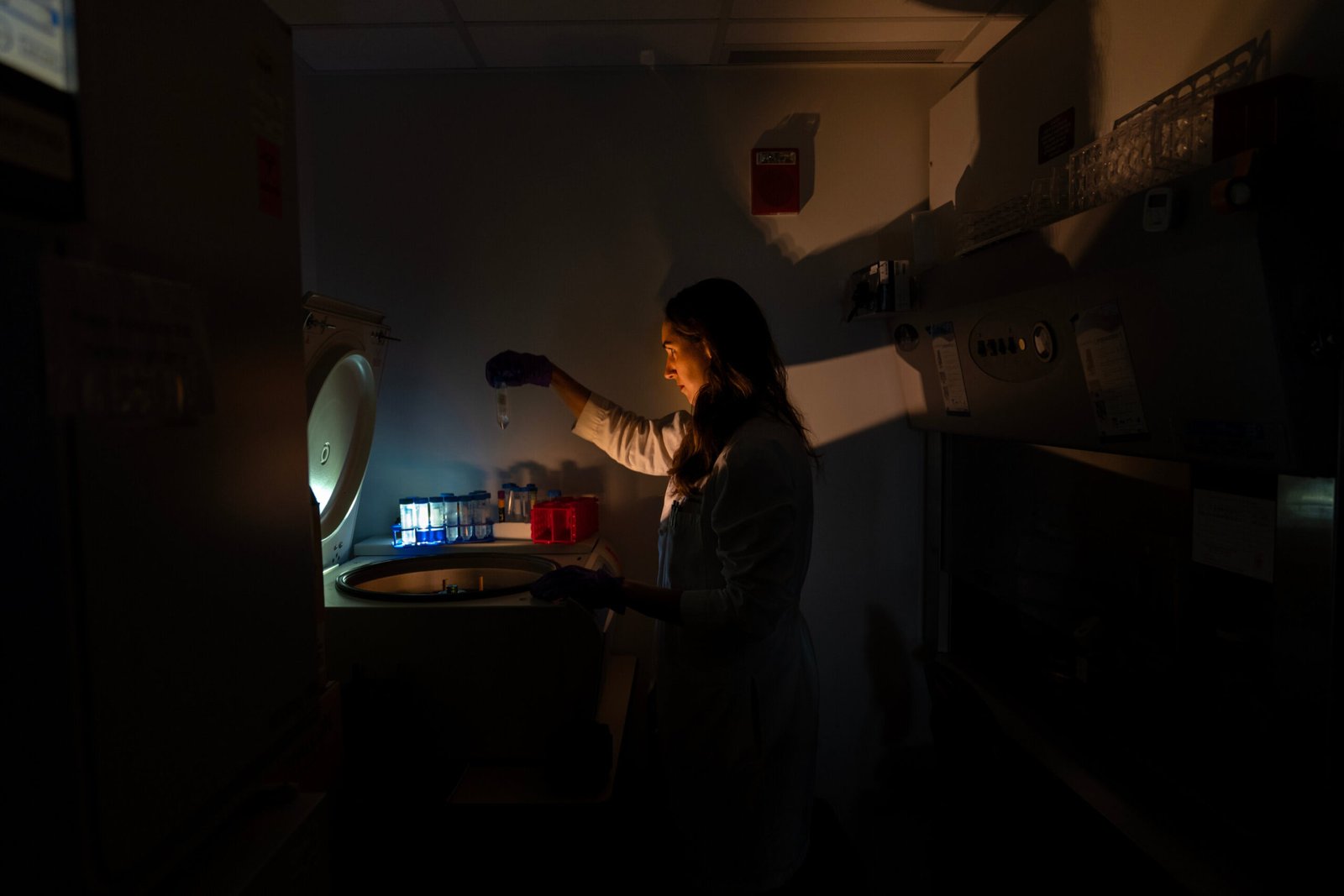
Autoimmune diseases are a complex puzzle that scientists are tirelessly working to solve. These diseases, which affect millions of people worldwide, occur when the immune system mistakenly attacks healthy cells in the body. Researchers are using cutting-edge technology and innovative approaches to unravel the mysteries behind these conditions and develop new treatments to combat them.
One such researcher is Dr. Laura Lewandowski, a pediatric rheumatologist and assistant clinical investigator at the National Institutes of Health (NIH). Dr. Lewandowski leads a team that is studying the genetics of pediatric lupus, a type of autoimmune disease. She describes herself as a “gene hunter” and is passionate about solving the puzzle of how people get sick. Her work involves analyzing patient samples for autoimmunity testing and using sophisticated machinery to identify the genetic factors underlying these diseases.
In a biomedical engineering lab at Johns Hopkins University, researchers are focusing on Type 1 diabetes, an autoimmune disease where rogue T cells attack the insulin-producing cells in the pancreas. By using advanced imaging techniques, they are able to differentiate between normal and rogue cells, shedding light on the mechanisms driving the disease. Similarly, at NIH, Dr. Iago Pinal-Fernandez is studying myositis, a group of muscle-weakening autoimmune diseases. His research reveals how rogue antibodies can infiltrate muscle cells and disrupt their normal functions, leading to a better understanding of the disease process.
Dr. Justin Kwong, a research fellow at NIH, works with human stem cells to grow immune cells involved in autoimmune diseases. He emphasizes the importance of nurturing these cells, likening them to “babies” that require constant care and attention. Dr. Kwong’s dedication to his work reflects the passion and commitment of researchers in this field.
Researcher Kathryn Luly at Johns Hopkins University is using mRNA technology to develop new treatments for autoimmune diseases. By striking a delicate balance between immune activation and suppression, she aims to target the root causes of these conditions. This blend of biology and engineering highlights the interdisciplinary nature of autoimmune research and the innovative solutions being developed.
The work of scientists like Dr. Lewandowski, Dr. Pinal-Fernandez, and Dr. Kwong underscores the importance of unraveling the mysteries of autoimmune diseases. By delving into the genetic, cellular, and molecular aspects of these conditions, researchers are paving the way for more targeted and effective treatments. As they continue to push the boundaries of science and technology, they are bringing us closer to a future where autoimmune diseases can be better understood and managed.
In conclusion, the dedication and ingenuity of these scientists are driving progress in the field of autoimmune research. Their work not only sheds light on the complex nature of these diseases but also offers hope for improved treatments and outcomes for patients. As we look to the future, it is clear that the efforts of these researchers will continue to shape the landscape of autoimmune medicine and bring us closer to solving one of the body’s biggest mysteries.