
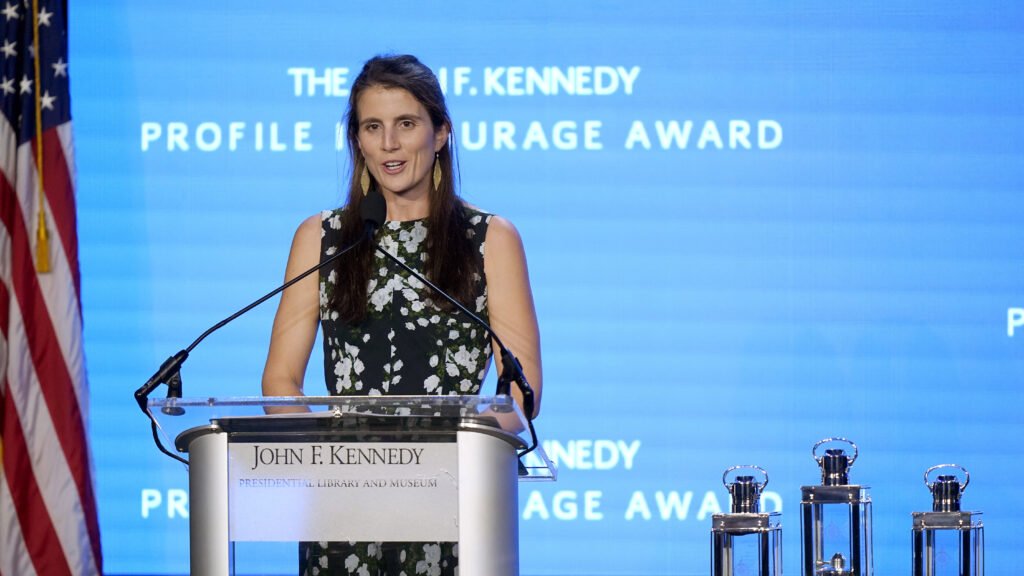
Tatiana Schlossberg, the granddaughter of President John F. Kennedy, recently shared in a poignant essay published in The New Yorker her battle with a terminal cancer diagnosis. This revelation came on the anniversary of her grandfather’s tragic assassination in 1963. In her essay, she bravely addressed her cousin, Secretary of Health and Human Services Robert F. Kennedy Jr., pointing out policy decisions and budget cuts that pose a threat to the health of individuals in the United States and beyond.
The Kennedy family has a deep understanding of the impact when medical interventions fall short. This awareness dates back to August 1963 when Jacqueline Kennedy gave birth prematurely to a son, Patrick Bouvier Kennedy, who sadly passed away less than two days later due to hyaline membrane disease, now known as neonatal respiratory distress syndrome. This condition was a leading cause of infant mortality in the United States at that time, affecting approximately 25,000 babies annually.
Researchers were determined to unravel the mysteries surrounding this fatal disease. Through diligent efforts, scientists like physiologist John Clements and pediatrician Mary Ellen Avery made significant discoveries related to lung development and surfactant deficiency. Surfactant, a substance that reduces surface tension in the lungs, was found to be crucial for preventing the collapse of tiny air sacs called alveoli. However, it took years of dedicated research before surfactant replacement therapy became a standard care practice for infants with respiratory distress.
President Kennedy’s response to his son’s death was to allocate substantial funding towards newborn health research. This investment paved the way for groundbreaking advancements in neonatal care, ultimately saving countless lives. Researchers like Tetsuro Fujiwara in Japan played a pivotal role in demonstrating the effectiveness of surfactant replacement therapy, leading to its widespread adoption as a standard treatment.
The lesson from this historical tragedy is clear: sustained investment in medical research yields transformative breakthroughs that can turn impossible questions into routine treatments. It requires patience, funding, and trust in the scientific community to pursue complex inquiries that may one day lead to life-saving solutions.
In light of Tatiana Schlossberg’s cancer diagnosis, a response akin to President Kennedy’s commitment to research is warranted. Instead, her cousin Robert F. Kennedy Jr. has proposed deep cuts to vital institutions like the National Institutes of Health, perpetuated vaccine skepticism, and undermined medical expertise. These actions jeopardize the progress made in healthcare and threaten the future of medical advancements that could benefit individuals like Tatiana and countless others.
The consequences of slashing research funding are dire. It hinders the work of dedicated scientists and medical professionals striving to find cures, develop vaccines, and improve treatments for various diseases. By diminishing funding, we not only impede progress but also limit the potential for future medical breakthroughs that could save lives and alleviate suffering.
Tatiana Schlossberg embodies her grandfather’s legacy while confronting her own health challenges. The Kennedy family’s history underscores the importance of sustained investment in research to drive innovation and improve healthcare outcomes. It is imperative that we prioritize funding for scientific research and support the dedicated individuals working tirelessly to advance medical knowledge and treatments for the benefit of all.