
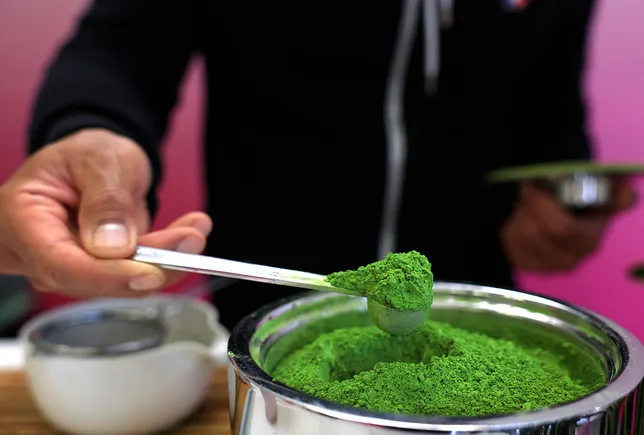
Matcha, the vibrant green powdered tea that has taken social media by storm, is facing unprecedented supply shortages as demand continues to surge. Traditionally used for ceremonial purposes, matcha has now found its way into lattes, desserts, and other culinary creations, appealing to younger consumers seeking visually appealing food and drinks.
According to Grand View Research, the matcha market generated $478.8 million in 2024 and is projected to reach $762.6 million by 2030. Retail sales of matcha powder have increased by 86% over the past three years, reflecting the growing popularity of this unique ingredient.
However, the surge in demand has put a strain on matcha farmers in Japan, where the tea is traditionally produced. Factors such as a record-breaking heat wave, an aging farming population, and the intricate production process required for high-quality matcha have led to significant supply shortages and a sharp increase in prices.
Matcha is prepared from Tencha, a shade-grown leaf that is highly sensitive to climate change. Record heat and drought in Japan have resulted in smaller-than-expected harvests, exacerbating the supply shortage. As a result, prices for Tencha have increased dramatically, with some café owners experiencing wait times of up to six months for matcha products.
The supply shortages have also attracted scalpers, who are taking advantage of the high prices to sell matcha at inflated rates. Many matcha suppliers have implemented purchasing limits to combat unauthorized resellers flooding the market with lower quality products.
To address the supply shortage, some farmers in Japan have switched from producing other teas to matcha, while other tea-producing countries like China, Kenya, and India are increasing their matcha production. However, increasing supply overnight is not feasible, as it takes five years for newly planted tea trees to mature and be ready for harvest.
Despite the challenges, matcha enthusiasts have plenty of options for enjoying this popular beverage. Matcha is simply ground green tea leaves, and consumers can also enjoy the health benefits of other types of tea, such as black, oolong, white, and dark teas.
In conclusion, the matcha shortage highlights the delicate balance between supply and demand in the global tea market. As consumers continue to seek out this trendy ingredient, it is essential for farmers, suppliers, and consumers to work together to ensure a sustainable future for matcha production.