
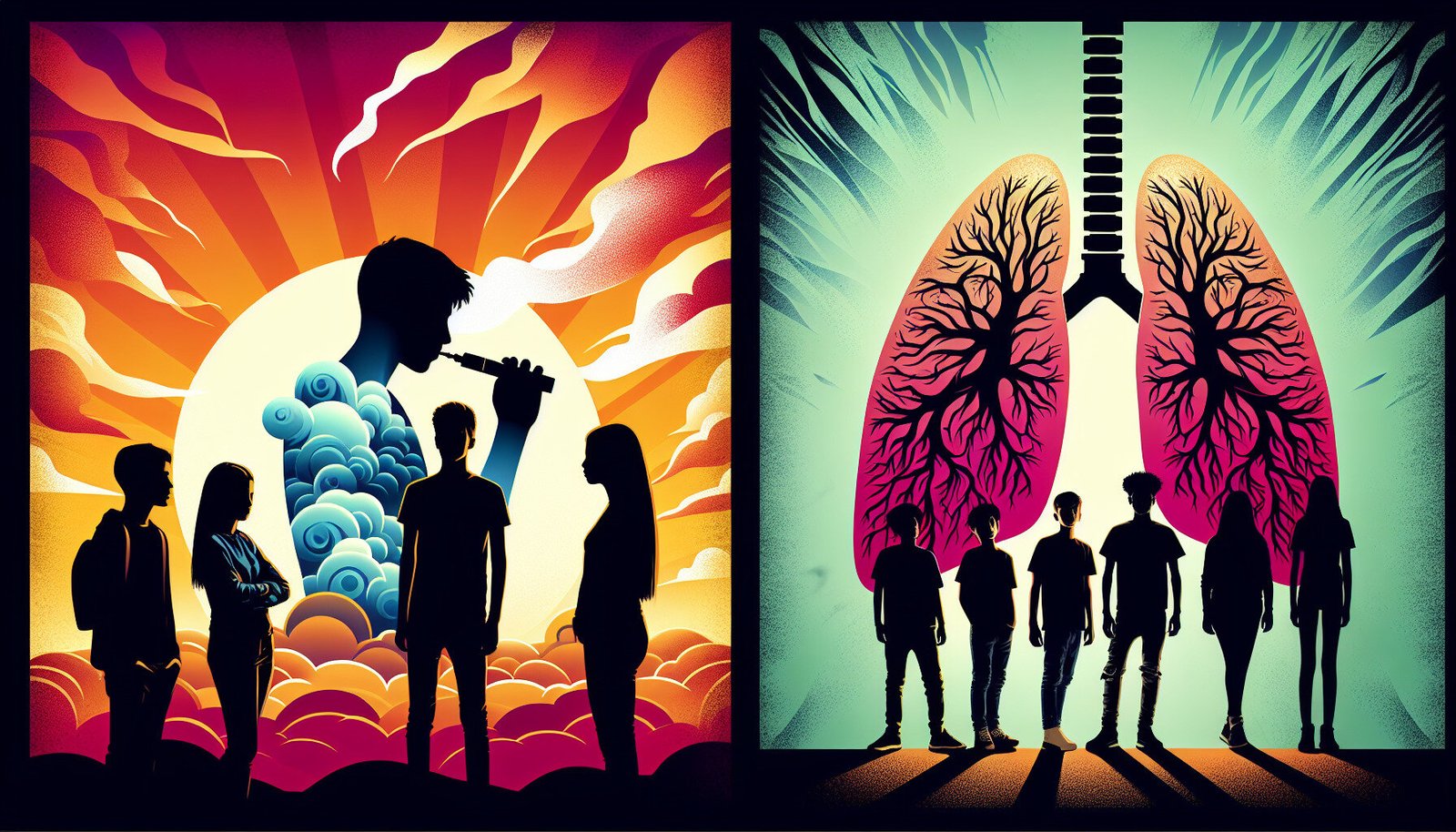
Generative artificial intelligence has the potential to revolutionize the way public health risks are addressed through mass media campaigns. A recent study conducted by the University of Queensland has demonstrated the effectiveness of AI-generated vaping awareness ads co-designed with young people in comparison to advertisements created by official health agencies. The findings, published in the journal JAMA Network Open, indicate that these AI-generated ads were perceived as equally or more effective by 600 participants aged 16-25 from across Australia.
Associate Professor Gary Chung Kai Chan from UQ’s National Center for Youth Substance Use Research highlighted the significance of leveraging AI technology to expedite the development of health communications. Traditional mass media campaigns can often be time-consuming to create, leading to delays in responding to emerging health issues. By utilizing AI co-designed with youth, the study suggests that these delays can be minimized, ultimately leading to more timely and impactful campaigns.
The study focused on vaping awareness ads, aiming to reduce youth vaping rates. Participants were presented with 25 AI-generated ads and 25 pre-existing ads from official health agencies, with varying source labels. Surprisingly, even when clearly identified as AI-generated, the ads maintained their appeal to the participants. Dr. Tianze Sun noted that young people’s familiarity with Gen AI technology may explain this lack of negative bias towards AI-labeled ads.
While the potential of Gen AI is promising, the research also highlights the risks of widespread health disinformation that can be easily produced. This underscores the importance of implementing robust regulatory frameworks to ensure transparency in AI-generated content. Moving forward, the researchers plan to investigate whether AI-generated material can influence behavior and its impact on a broader range of health issues.
Overall, the study opens up new possibilities for leveraging AI technology in public health communication. By harnessing the power of AI to create impactful campaigns, health agencies can respond more effectively to emerging health challenges and engage with target audiences in innovative ways. As the researchers continue to explore the potential of AI-generated content, the future of public health communication looks increasingly dynamic and responsive to the evolving needs of society.