
A recent study led by the University of Leicester has shed light on the alarming prevalence of antimicrobial resistance in hospital settings. The study, published in eClinicalMedicine, revealed that around one in three hospital-acquired infections involve drug-resistant bacteria, posing a significant risk to patient health.
Dr. Daniel Pan, an infectious diseases clinician and NIHR Doctoral Research Fellow at the University of Leicester, emphasized the high-risk nature of hospitals when it comes to acquiring drug-resistant infections. Patients in these settings are particularly vulnerable due to the widespread use of antibiotics and invasive procedures. The study found that patients with resistant infections had a 58% higher risk of death compared to those with susceptible infections, with the greatest risk observed for bloodstream infections.
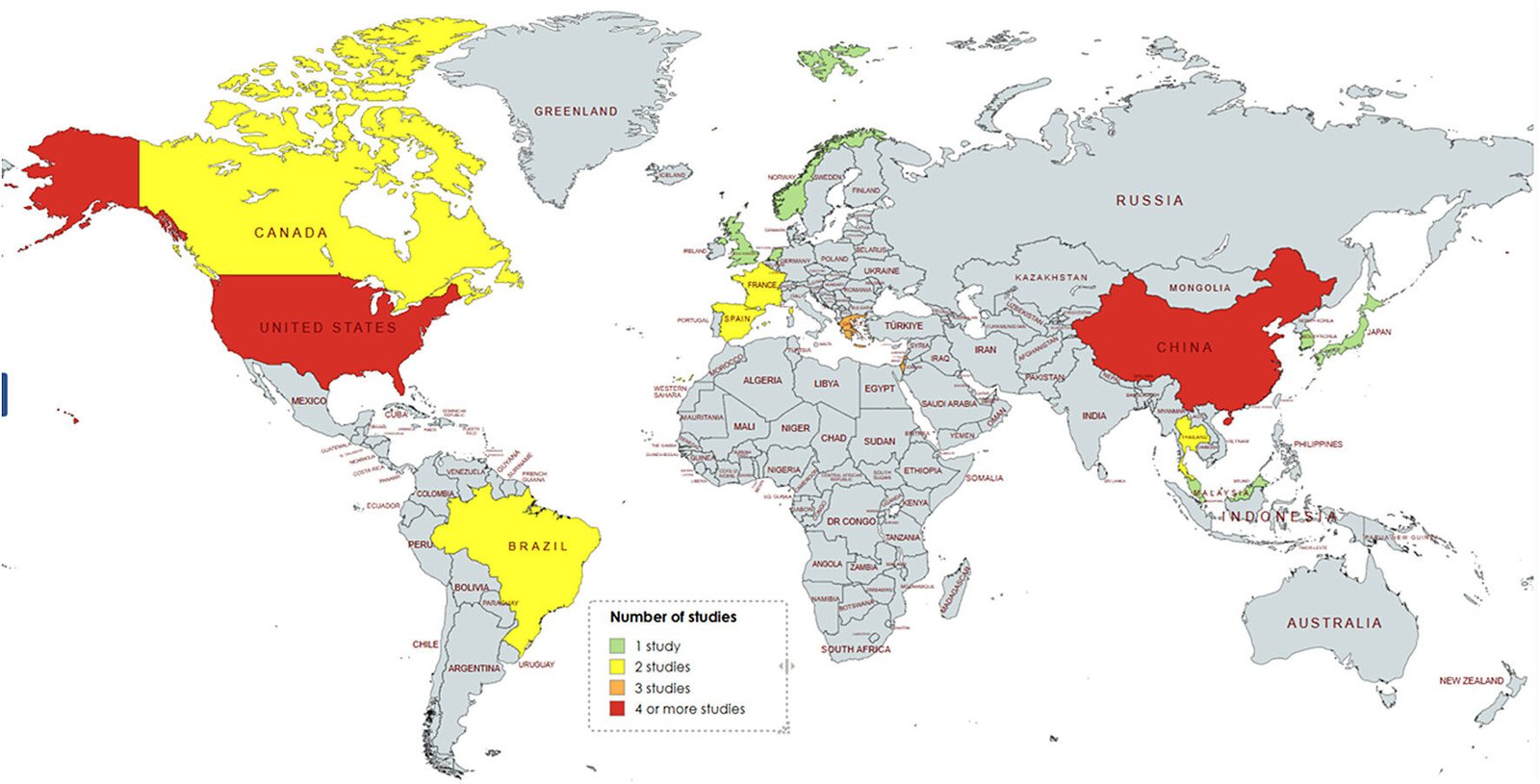
The analysis, which included data from 34 hospital-based studies spanning 18 countries and over 20,000 patients, highlighted the urgent need for better surveillance and research in underrepresented regions such as Africa, the Middle East, and South Asia. Professor Manish Pareek, Chair in Infectious Diseases at the University of Leicester, stressed the importance of filling these evidence gaps to meet global goals on antibiotic access and reducing antimicrobial resistance.
The study’s findings underscore the critical impact of antimicrobial resistance on both public health systems and individual patients. With an estimated 1.14 million deaths worldwide each year attributed to antibiotic-resistant bacteria, addressing this growing threat is essential to safeguarding global health.
For more information on this study, you can access the full publication in eClinicalMedicine. The University of Leicester continues to lead research efforts in combating antimicrobial resistance and promoting better healthcare practices worldwide.