
Chemicals used as replacements for bisphenol A (BPA) in food packaging have been found to have potentially harmful effects on human ovarian cells, as per a recent study conducted by researchers at McGill University.
The study, published in Toxicological Sciences, focused on several chemicals commonly found in price stickers on packaged meat, fish, cheese, and produce, revealing early signs of potential toxicity. This discovery raises concerns about the safety of BPA-free packaging and questions whether current regulations are sufficient to protect consumers.
The research originated from a previous finding in 2023 by Stéphane Bayen, an Associate Professor in McGill’s Department of Food Science and Agricultural Chemistry, indicating that label-printing chemicals like bisphenol S (BPS) were leaching into food through plastic wrap. Collaborating with colleagues in reproductive toxicology, the team decided to investigate the impact of these substances on the body.
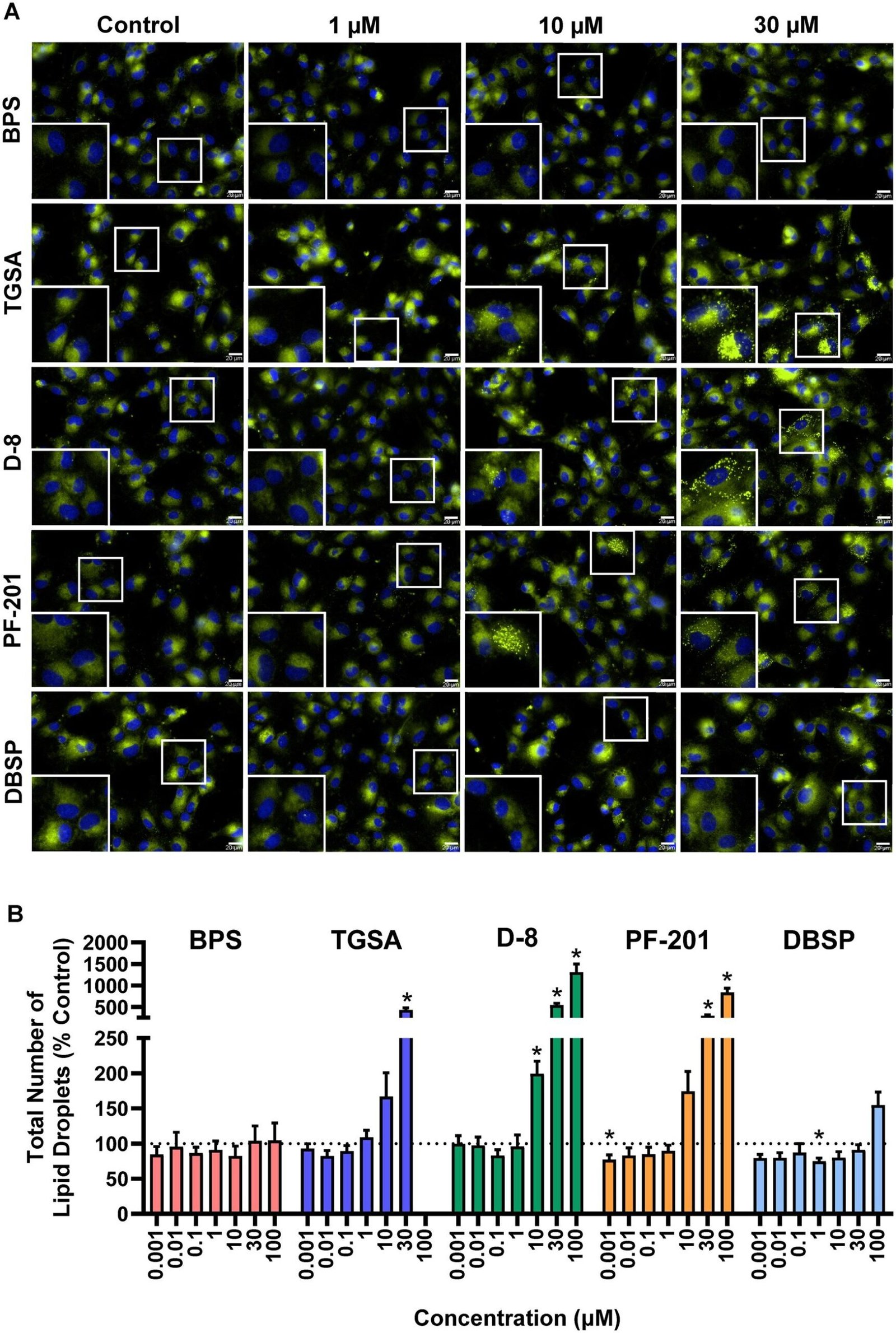
Human ovarian cells grown in the lab were exposed to four commonly used BPA substitutes: TGSA, D-8, PF-201, and BPS. Some of these chemicals, particularly TGSA and D-8, led to an accumulation of fat droplets in the cells and altered the activity of genes responsible for cell growth and DNA repair.
Bernard Robaire, co-senior author of the study and James McGill Professor in McGill’s Departments of Pharmacology & Therapeutics and Obstetrics & Gynecology, emphasized the significance of these cellular functions being disrupted, signaling a need for further investigation into the potential harm these chemicals may pose to humans.
BPA is known to interfere with hormone regulation in the body and has been associated with fertility issues, early development problems, and metabolic disturbances. Despite being banned in baby bottles and restricted in some products in Canada due to these risks, many of the chemicals used as BPA replacements are unregulated and not routinely tested.
The term “BPA-free” can be misleading as it often means one bisphenol has been substituted for another, with over 200 different bisphenols in use. Robaire stressed the importance of testing these compounds before widespread adoption, rather than after potential harm has been identified.
Following the study, Health Canada has included all four substances in a list of chemicals requiring further investigation. For consumers looking to minimize exposure, Robaire recommended removing labels and plastic wrap from fresh foods before storage and selecting items from the top of store display piles to avoid potential chemical leaching.
In conclusion, the findings of this study shed light on the potential risks associated with BPA replacements in food packaging and highlight the need for more rigorous testing and regulation of these chemicals to safeguard public health.