
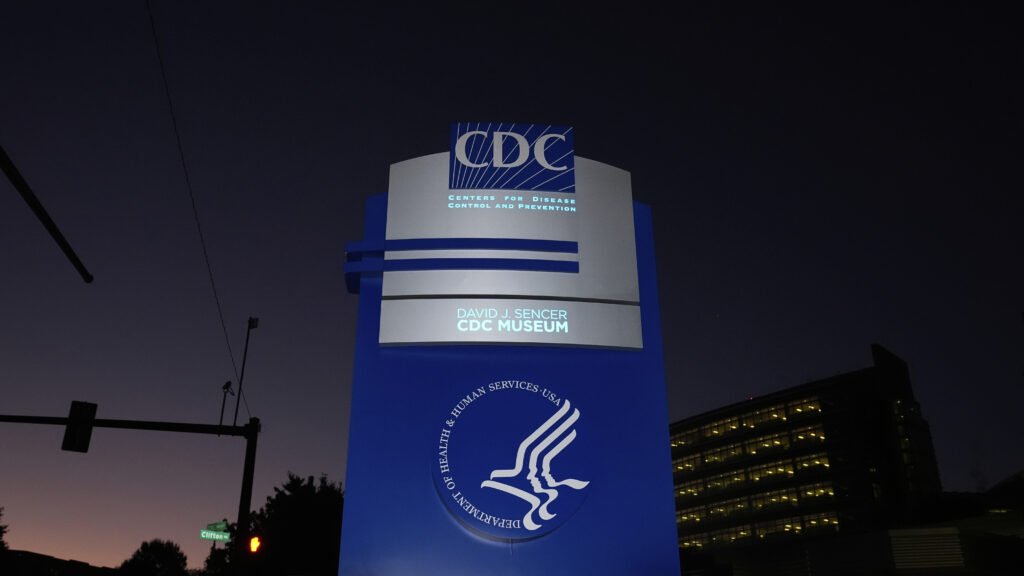
Protecting the nation’s public health is a critical task that requires access to reliable data on various health indicators. The recent job cuts at the Centers for Disease Control and Prevention (CDC) have raised concerns about the impact on the agency’s ability to gather and disseminate essential health information.
One of the hardest-hit divisions at the CDC is the National Center for Health Statistics (NCHS), which oversees the National Health and Nutrition Examination Survey (NHANES). This survey is a cornerstone of public health research, providing valuable data on the health and nutritional status of Americans. Unfortunately, all the planners in the NHANES division were let go during the recent round of firings, leaving the survey’s future in jeopardy.
Former planning branch chief, David Woodwell, expressed his concerns about the loss of experienced staff who were responsible for coordinating the survey’s operations. These planners played a crucial role in ensuring that the health exams, questionnaires, and lab tests conducted as part of NHANES were carried out effectively. Without their expertise, the continuity and quality of the survey are at risk.
NHANES has been instrumental in providing insights into common diseases, behaviors, and health trends in the country for the past 60 years. The data collected through the survey have informed public health policies and interventions, leading to significant advancements in areas such as lead exposure reduction and food labeling regulations.
The termination of key personnel at the CDC has raised concerns about the potential loss of vital health information, including data on health services, hospitalizations, and emerging outbreaks. Denys Lau, a former CDC director, highlighted the impact of these cuts on the agency’s ability to track and respond to public health issues effectively.
The value of NHANES and the dedicated work of CDC staff cannot be understated. These professionals work behind the scenes to gather essential data that ultimately benefit the health and well-being of the population. However, with the recent cuts and restructuring at the CDC, there are fears that the agency’s ability to provide objective and nonpartisan health data may be compromised.
As former employees like Woodwell and Lau speak out about the consequences of the job cuts, there is a growing concern about what will be lost in terms of valuable health information and research capacity. The impact of these reductions in force on the CDC’s ability to fulfill its public health mandate is significant, and the long-term repercussions remain uncertain.
In conclusion, the recent job cuts at the CDC have raised serious concerns about the agency’s ability to gather, analyze, and disseminate essential health data. The loss of experienced staff and the restructuring of key divisions threaten the foundation of public health research and surveillance in the country. As the CDC navigates these challenges, the importance of preserving and supporting its vital work in protecting the nation’s health cannot be overstated.
