
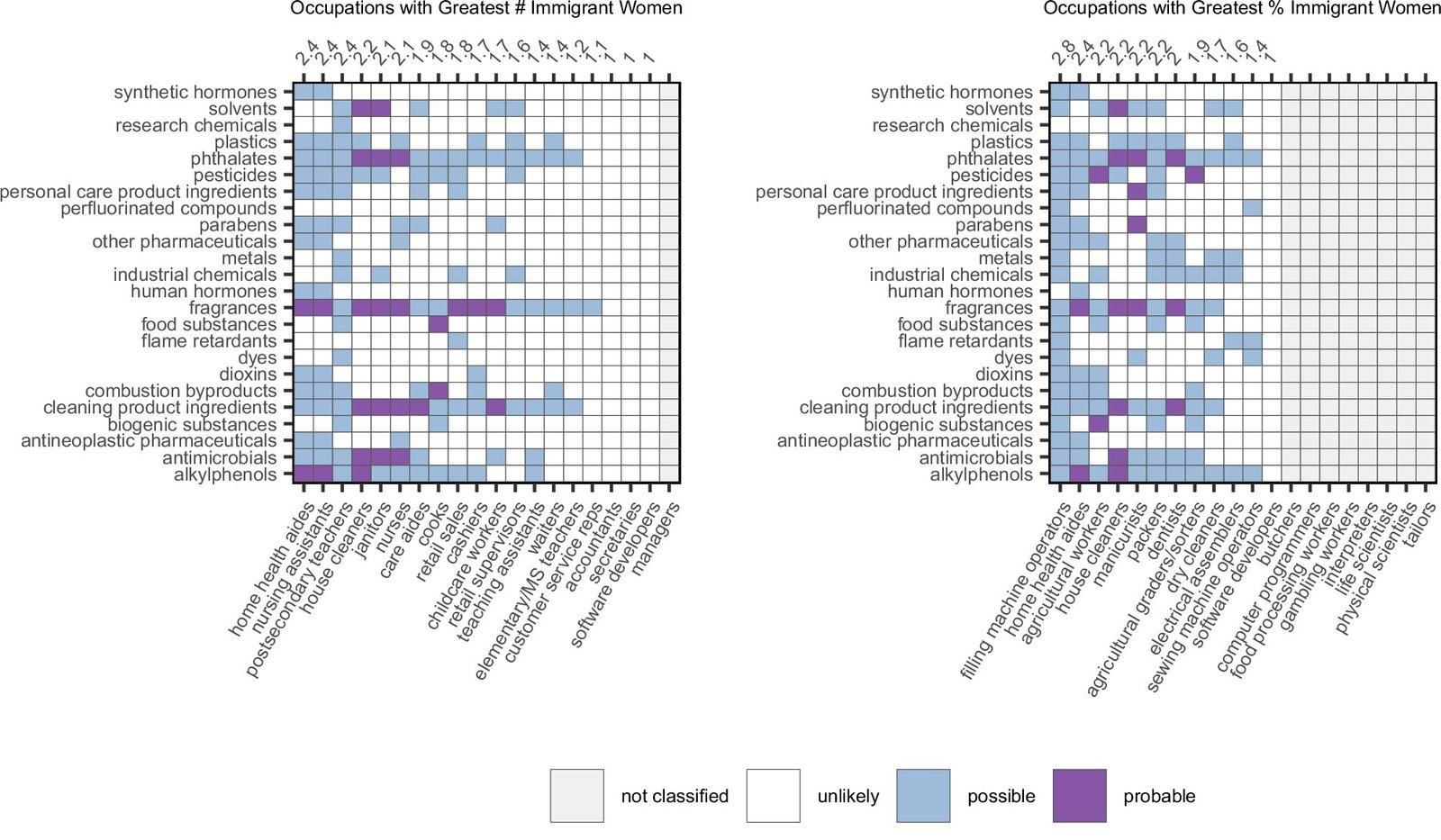
Many immigrant women in the U.S. are employed in occupations that may expose them to chemicals associated with an increased risk of breast cancer, a recent study conducted by Silent Spring Institute has revealed. This pioneering research sheds light on the potential impact of job-related chemical exposures on the breast cancer risk of foreign-born workers, particularly in roles that lack adequate health and safety protections.
Published in the Journal of Exposure Science & Environmental Epidemiology, this study aims to inform policy-making decisions aimed at reducing harmful exposures for women in the workforce, while also enhancing our understanding of how specific occupations may contribute to a heightened risk of breast cancer among women.
Lead author Dr. Kristin Knox, a research scientist at Silent Spring Institute, highlights the significance of this study in addressing the existing knowledge gap regarding occupational health risks for women, especially immigrant women. The research team analyzed U.S. Census data to identify the most prevalent occupations held by immigrant women and matched these roles with data from the Women’s Occupations and Risk from Chemicals Project, which focuses on occupations in California involving exposure to chemicals known to be relevant to breast cancer.
The study identified house cleaners, nurses, cashiers, janitors, and care aides as the most common jobs held by immigrant women, with house cleaners and nurses facing the highest potential chemical exposures. These exposures include fragrances, cleaning agents, pesticides, phthalates, antimicrobials, and alkylphenols – many of which are endocrine disruptors that can interfere with hormonal balance and potentially lead to breast cancer.
It was observed that immigrant women are disproportionately represented in high-risk occupations, indicating not only a higher likelihood of exposure to hazardous substances but also an increased risk of long-term health consequences associated with their work. Disparities based on language and education levels were also noted, with women possessing higher education and stronger English language skills more likely to work in lower-exposure roles compared to those with limited education and English proficiency.
The research team emphasizes the importance of understanding and addressing the unique barriers faced by immigrant women in avoiding toxic exposures at work, such as language barriers, fear of speaking out due to undocumented status or job insecurity. Moving forward, the researchers plan to collect exposure measurements from women in high-risk occupations to further investigate and mitigate the health risks they face.
Ultimately, the goal of this initiative is to advocate for stronger workplace protections and promote safer practices in various industries to safeguard the health and well-being of all workers, regardless of their background. By raising awareness and implementing targeted interventions, such as reducing exposure to harmful chemicals and promoting the use of non-toxic alternatives, the study aims to create a safer and healthier work environment for immigrant women in the U.S.