
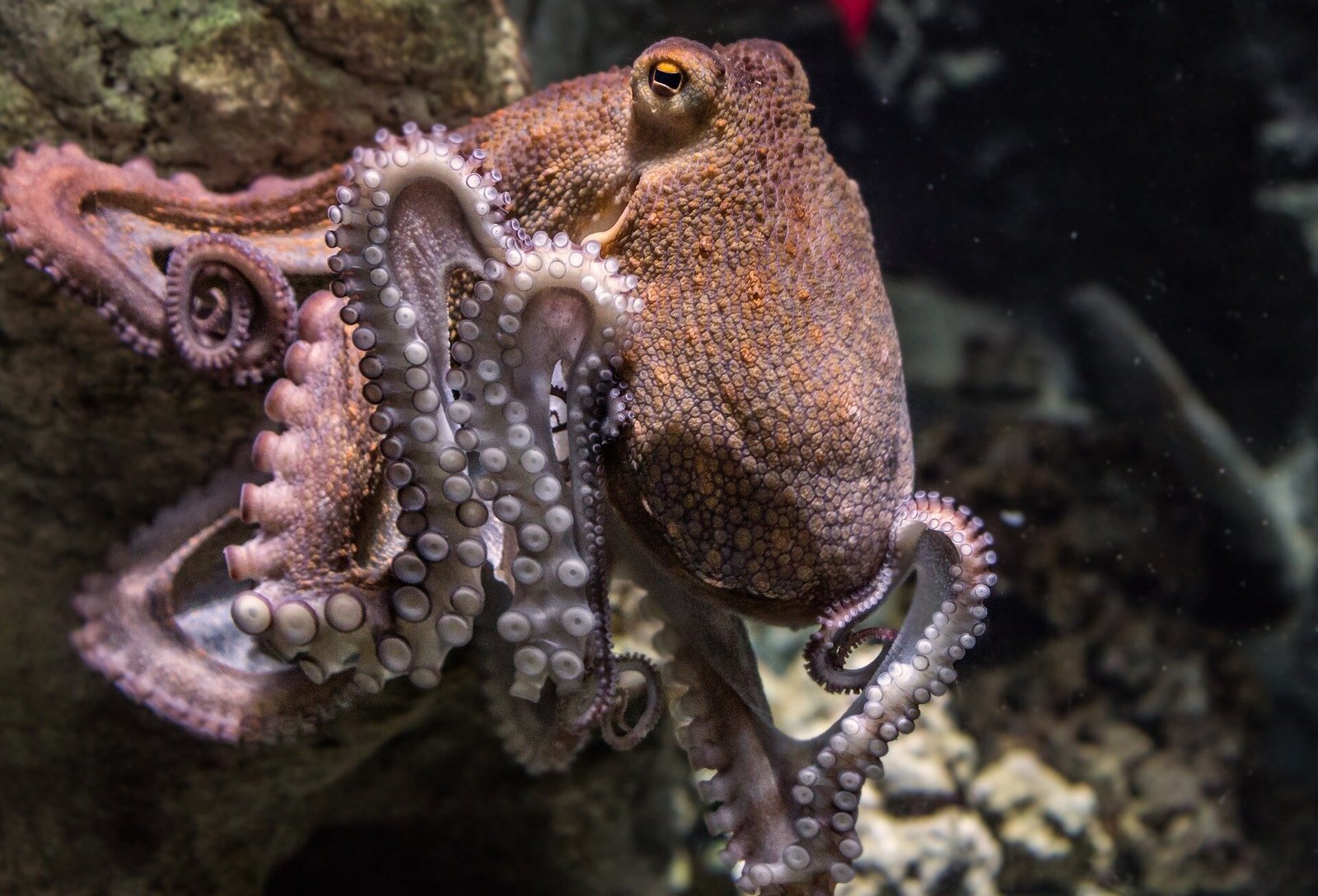
Octopuses have long fascinated scientists with their intelligence and unique abilities. But recent research has uncovered a new and unexpected talent of these fascinating creatures – their potential to fight cancer.
Two species of octopus, the Australian southern sand octopus and the common octopus, have been found to contain compounds in their venom and ink that show promising anti-cancer properties. These compounds have shown the ability to kill harmful microbes and fight tumors without harming healthy cells.
The sand octopus’s compound, known as octopeptide-1, and the common octopus’s compound, ozopromide, have been the focus of research into their anti-cancer properties. These compounds target cancerous cells specifically, offering a more targeted and less aggressive approach to cancer treatment. This could potentially reduce relapse rates in cancer patients who struggle to complete aggressive treatment courses.
Dr. Maria Ikonomopoulou, a leading expert in venom-based drug discovery, has been at the forefront of this research. Her team’s findings have shown that the octopus venom, particularly from the sand octopus, has the potential to be a safer and more effective treatment option for melanoma.
The compounds from the common octopus’s ink have also shown promising results in slowing the growth of various cancer cells in lab experiments. While these results are still in the early stages and have not been tested on humans, they offer hope for new avenues in cancer treatment.
Despite the promising results, the road to human trials is long and challenging. Extensive research is needed to ensure the safety and effectiveness of these compounds before they can be used in clinical settings. Funding and resources are essential to progress this research further and bring these potential treatments to patients in need.
In the quest for new cancer treatments, the ocean continues to surprise and inspire. From the depths of the sea, octopuses may hold the key to unlocking new possibilities in the fight against cancer. As researchers continue to explore the hidden potential of marine life, the future of cancer treatment could be closer than we think.