
Ebola Outbreak in the Democratic Republic of Congo: A Test of Global Health Security
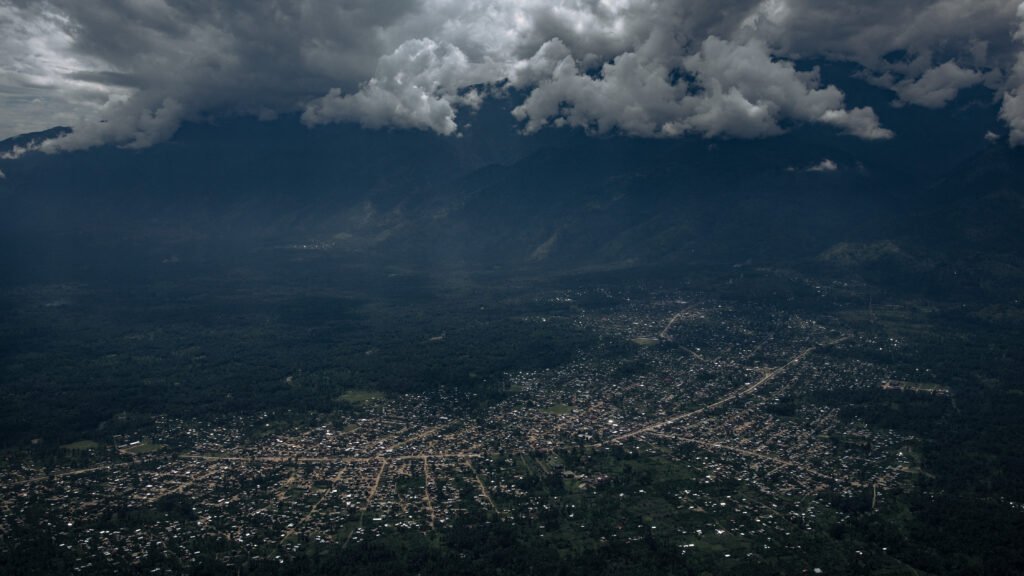
In the small town of Bulape, located in the Kasaï province of the Democratic Republic of Congo, a tragic event unfolded on Aug. 20. A 34-year-old pregnant woman was admitted to the local hospital with symptoms of sudden fever, bloody vomiting, and weakness. Despite receiving supportive care, her condition rapidly deteriorated, and she passed away five days later. The cause of her death was confirmed to be Ebola, marking the beginning of a new outbreak in the region.
As the government declared the Ebola outbreak on Sept. 4, there were already 28 suspected or confirmed cases and 15 fatalities, with a death rate exceeding 50%, including the loss of four healthcare workers. By Sept. 6, the number of suspected cases had risen to 42, with five confirmed cases and 15 deaths, reflecting a death rate of 38%. However, containment efforts faced challenges due to weak surveillance, with only 19% of identified contacts being monitored, raising concerns about further spread of the virus.
In a remarkable display of scientific advancement, within 24 hours of the outbreak declaration, researchers in the DRC released the genomic sequence of the virus. Analysis revealed that the strain was 99.5% similar to the Ebola virus first identified in Yambuku in 1976. This new strain was distinct from previous outbreaks in the Kasaï province in 2007 and 2009, indicating a new spillover event from nature rather than ongoing transmission. The swift and transparent sharing of this information was crucial in understanding the origins of the outbreak.
The history of Ebola outbreaks in the DRC underscores the challenges faced by communities with limited healthcare infrastructure. The current outbreak in Kasaï serves as a reminder of the importance of global health security in responding to infectious diseases. The dismantling of key health institutions, such as the U.S. Agency for International Development and PEPFAR, has weakened the global health response capacity, leaving the world more vulnerable to public health emergencies.
While vaccines like Ervebo and Zabdeno/Mvabea have shown effectiveness in controlling Ebola outbreaks, they rely on robust healthcare systems for successful implementation. The erosion of global health infrastructure threatens the delivery of vital medical interventions and coordination across borders, essential in containing outbreaks.
The outbreak in Kasaï highlights the interconnected nature of global health and the need for international collaboration in responding to public health emergencies. The importance of investing in global health programs as a shared security priority cannot be understated. Failure to support these initiatives could have dire consequences, not only for the affected regions but for the entire world.
As the world grapples with the Ebola outbreak in the DRC, it is a critical moment to reaffirm commitment to global health security. The lessons learned from Kasaï should serve as a warning that neglecting global health defenses could have devastating consequences in the face of future pandemics. It is essential to act swiftly and decisively to prevent the spread of infectious diseases and protect the health and well-being of populations worldwide.
This article was written by Krutika Kuppalli, an infectious diseases physician in Dallas, specializing in emerging pathogens, viral hemorrhagic fevers, outbreak response, and global health policy.