
Perinatal Mental Health: Rethinking Emergency Room Protocols
A woman walked into the emergency room triage with her 6-week-old baby, feeling overwhelmed and scared. She had little support at home and was worried about caring for her new baby alone. Exhausted and fearful, she was concerned that she might harm herself. Following the advice she had been given, she called her doctor for help.
It is estimated that up to 1 in 5 women experience mental health or substance use disorders during pregnancy or in the year following childbirth. Despite this high prevalence, many women do not seek help. In this particular case, the patient sought help, and her doctor recommended that she go to the emergency room, which led her to my care.
As a technician working in the emergency room, I followed the standard protocol by taking the patient to a room and providing her with a “psych gown” for her safety. This gown, fastened at the back and with an elastic waistband, aimed to prevent self-harm. I explained to the patient that we would assist her with changing, monitor her closely, and temporarily remove her personal items, including her cellphone and her baby, who was taken to the pediatric unit.
Research has shown that separating a mother from her baby can trigger stress hormones in both of them. Furthermore, the disruption of breastfeeding and the introduction of formula against the mother’s wishes can undermine her autonomy and add to her distress.
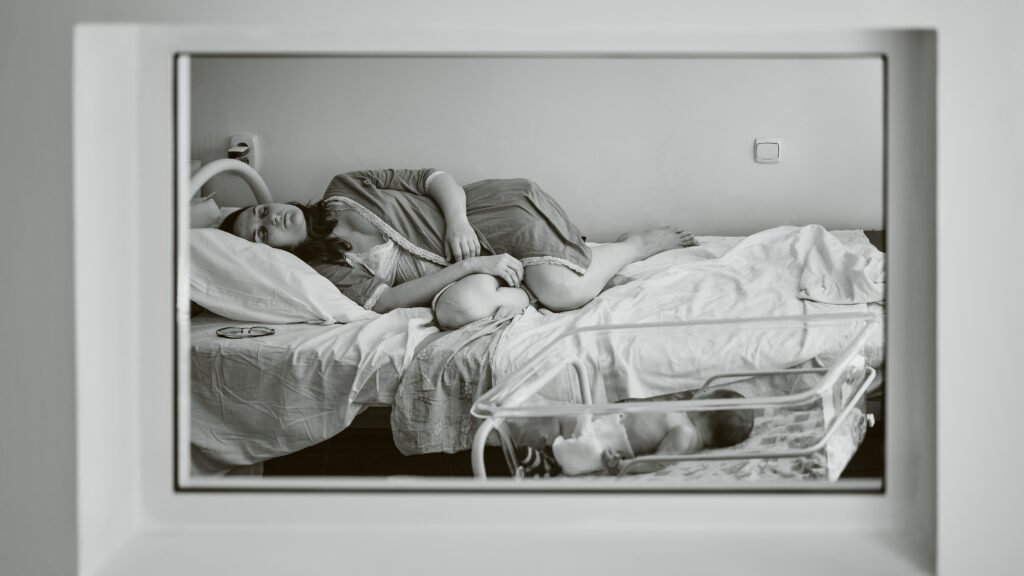
The patient was understandably worried about her baby’s care, as she was now separated from her child and surrounded by unfamiliar faces in the emergency room. This situation only added to her anxiety and sense of isolation.
Reflecting on this experience, I questioned the effectiveness of the current protocol and searched for expert guidelines regarding postpartum care in emergency settings. I found a gap in guidelines and wondered if there could be a more compassionate and effective approach to supporting women in distress.
Instead of relying solely on emergency room interventions, I believe that perinatal providers should play a more proactive role in identifying and addressing mental health issues in pregnant and postpartum women. Screening for depression should be followed by immediate referrals to mental health specialists, with a focus on providing cognitive behavioral therapy and ensuring patient follow-through.
Insurance companies should also prioritize coverage for mental health services, as early intervention is more cost-effective than emergency room visits or inpatient care for untreated mental health conditions.
In emergency situations, hospitals should have protocols in place to keep mothers and infants together in a safe and supportive environment. This may involve staffing arrangements to care for both mother and baby in a shared space, providing comfort and reassurance during a crisis.
By reevaluating and improving the current protocols for perinatal mental health care, we can better support women like the patient who sought help in the emergency room. With a more compassionate and holistic approach, we can ensure that all mothers receive the care and support they need during this vulnerable time.
Anneli M. Merivaara is a master’s of public health and physician assistant student at George Washington University.