
The Food and Drug Administration (FDA) recently approved a natural blue color derived from the fruit of the gardenia plant, marking a significant milestone in the food industry’s move towards more natural ingredients. The approval of Gardenia blue comes as the FDA urges food manufacturers to phase out Red No. 3, an artificial dye, from their products.
Gardenia blue is the fourth natural ingredient to receive FDA approval since the agency called for the voluntary phase-out of petroleum-based artificial dyes in April. The new blue color can be used in a variety of products including sports drinks, flavored water, fruit drinks, teas, and candies.
FDA Commissioner Marty Makary emphasized the agency’s commitment to transitioning away from synthetic dyes in the food supply by expanding the options for natural colors. In addition to Gardenia blue, the FDA has also approved natural blue colors derived from algae and butterfly pea flower, as well as calcium phosphate as a white color for coated candies.
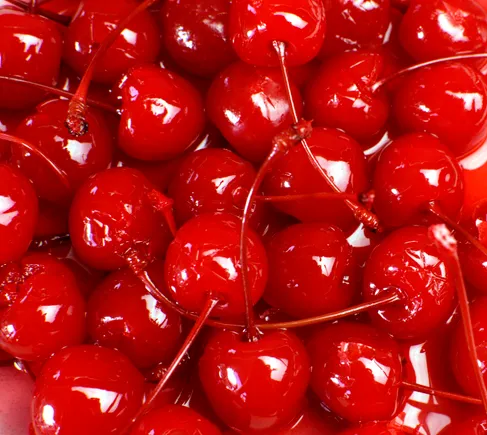
The push to remove artificial colors from food products has gained momentum in recent years as consumers seek more natural options. The Biden administration banned Red No. 3, an artificial coloring linked to cancer in rats, and set a deadline for food manufacturers to reformulate their products by 2027.
The FDA’s efforts to accelerate the phase-out of Red No. 3 reflect the growing awareness of the potential health risks associated with synthetic dyes. Manufacturers are encouraged to transition to natural colors to meet consumer demand for cleaner and healthier food options.
In addition to federal actions, states like West Virginia and Texas are also taking steps to regulate artificial dyes in food products. West Virginia has passed a law prohibiting the use of seven commonly used additives and colors, while Texas will require warning labels on products containing synthetic dyes starting in 2027.
Overall, the FDA’s approval of Gardenia blue and the continued efforts to phase out artificial dyes reflect a broader shift towards more natural and transparent food ingredients in response to consumer preferences and health concerns.