
The FDA, under the leadership of President Donald Trump, is considering a significant shift in its policy regarding the review of drug applications. The agency is contemplating moving away from convening panels of outside experts to examine and vote on individual drugs. This proposed change has raised concerns among critics who argue that it could potentially shield the FDA’s decisions from public scrutiny.
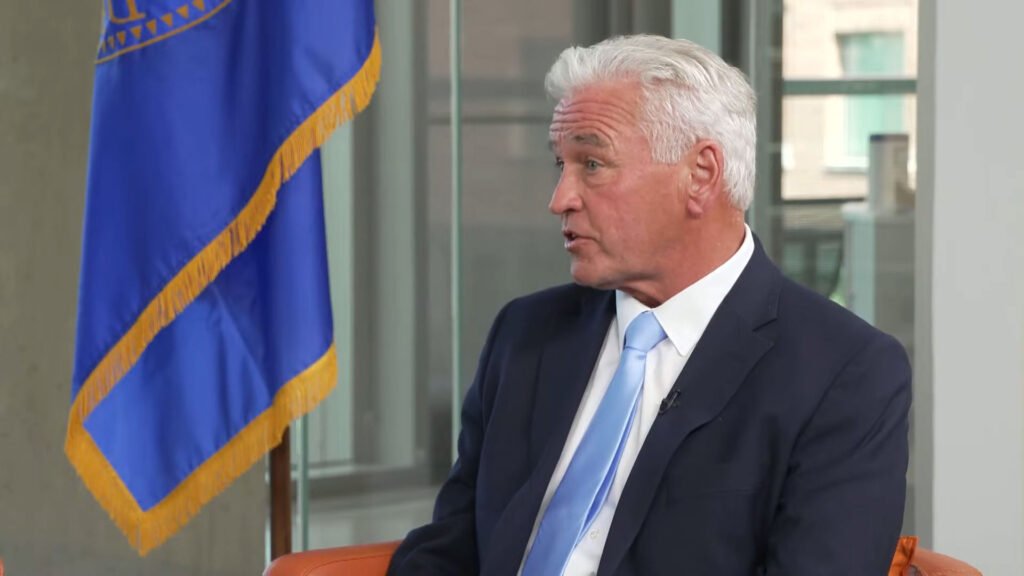
George Tidmarsh, the head of the FDA’s Center for Drug Evaluation and Research, recently expressed the agency’s desire to eliminate the practice of assembling expert panels for drug reviews. He believes that these meetings are redundant and impose a significant burden on both companies and the FDA. Tidmarsh emphasized the need to focus on broader regulatory questions instead of dedicating time and resources to individual drug evaluations.
The FDA’s advisory committees play a crucial role in the agency’s decision-making process. These committees were established in 1972 to provide expert advice on complex technical issues related to drug approvals. They are instrumental in reviewing evidence and voting on whether the FDA should approve drugs, vaccines, and medical devices. The agency historically aligns its actions with committee votes, and any deviation from their recommendations can spark controversy and public debate.
One notable instance of discord between the FDA and its advisory committee was the approval of the Biogen drug Aduhelm for treating Alzheimer’s disease. Despite receiving a “no” vote from the advisory committee, the FDA approved the drug, prompting criticism and raising questions about the agency’s evaluation process. This case highlighted the challenges the FDA faces in balancing industry pressures and patient needs with rigorous drug evaluation standards.
While Tidmarsh argues that advisory committee meetings on specific drugs are unnecessary in light of the agency’s release of complete response letters to companies, former FDA officials and experts disagree. They stress the importance of these meetings in helping FDA scientists make informed decisions and enhancing public understanding of drug regulation. Critics argue that abandoning advisory committee meetings could undermine transparency and accountability in the FDA’s decision-making process.
The proposed changes outlined by Tidmarsh have already led to a reduction in advisory committee meetings convened by the FDA. Instead of relying on outside experts to review individual drugs, the agency is exploring alternative approaches to evaluating drug applications. Critics fear that this shift could limit public input and diminish the level of scrutiny applied to drug approvals.
In conclusion, the potential abandonment of advisory committee meetings for drug reviews by the FDA has raised concerns about transparency and accountability in the agency’s decision-making process. While the FDA aims to streamline its regulatory procedures, critics warn that excluding outside experts from the evaluation process could have far-reaching implications for public health and drug safety. It remains to be seen how these proposed changes will impact the FDA’s ability to uphold rigorous standards in drug regulation.