
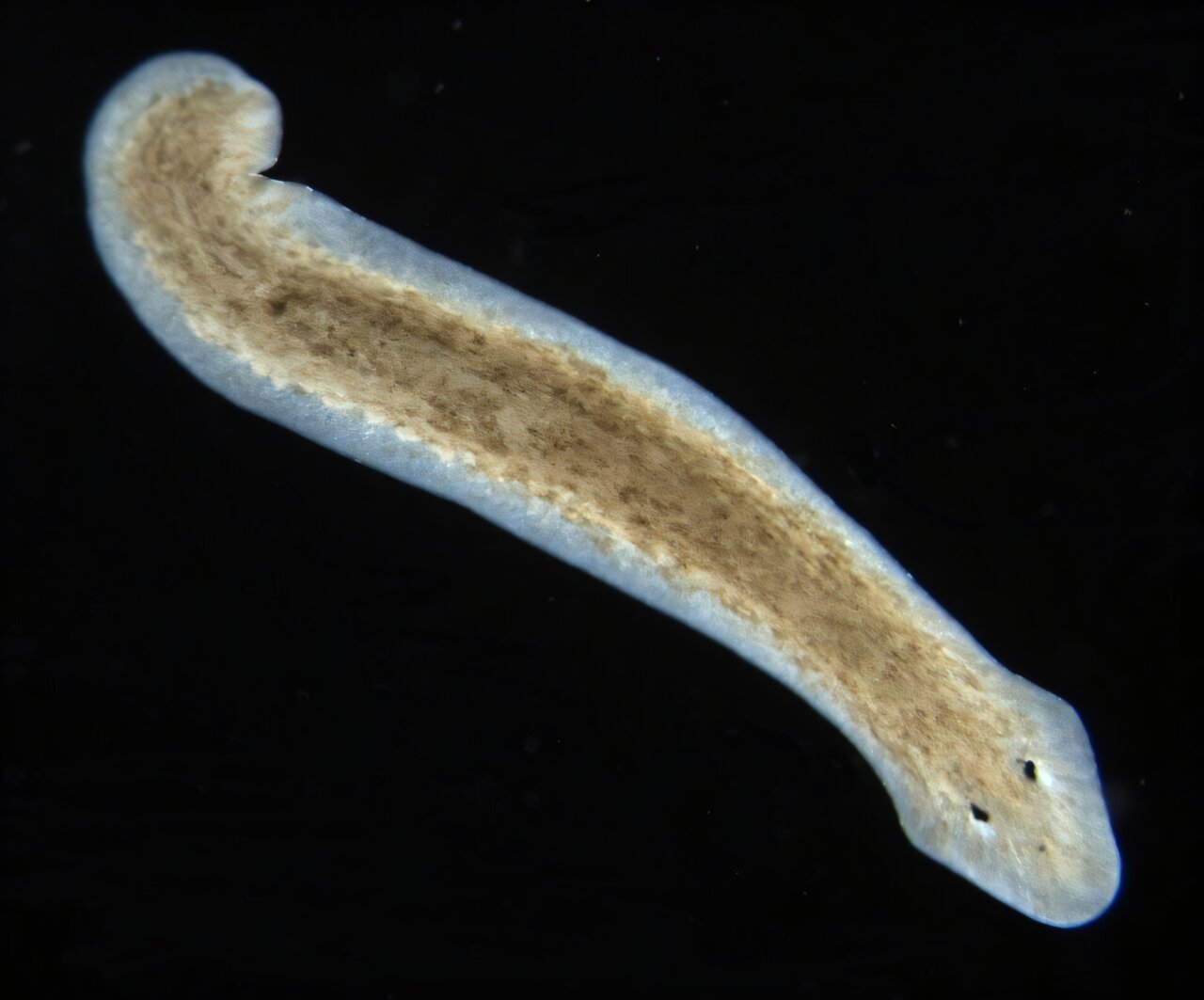
Tiny pond worms are making big waves in the world of medical research. These harmless flatworms, known as planaria, are found in ponds and rivers and are proving to be valuable in studying brain conditions and testing new medicines. Researchers from the University of Reading have discovered that planaria react to brain medicines in ways similar to rodents, particularly when given haloperidol, a drug used to treat mental health conditions.
Studies have shown that planaria can be used to research epilepsy treatments, investigate drug addiction, and now, potentially develop treatments for mental health conditions such as schizophrenia and hallucinations. This is significant, as a 2024 study revealed that one in 69 UK adults are using antipsychotic medication long-term.
Professor Vitaliy Khutoryanskiy, who led the study, emphasized the importance of using planaria in research. He stated, “This finding adds to growing evidence that tiny flatworms like planaria could play a valuable role in how we study the brain. They display certain responses to psychiatric drugs that resemble those seen in mammals, but using them involves far fewer ethical concerns.”
The use of planaria in research could also help reduce the number of mice and rats used in early medical studies. In 2023, over 882,000 mice and 144,060 rats were used in animal research in the UK. Despite efforts to make research more ethical, scientists still heavily rely on rodents for testing. Introducing planaria as an alternative could potentially lessen the need for using rodents in research.
The research team at the University of Reading also tested cyclodextrins, special ring-shaped sugar molecules that can hold medicines and help them dissolve better in water. When haloperidol was placed in these sugar containers, it dissolved 20 times better than normal. This opens up possibilities for testing different drugs and ways of making medicines more effective.
The impact of planaria research has already influenced teaching at the University of Reading, where the effect of haloperidol on worms is now part of undergraduate pharmacology classes. This innovative approach to research and teaching showcases the potential for planaria to revolutionize the field of medical research.
In conclusion, the use of planaria in brain studies and drug testing shows promise in developing new treatments for mental health conditions while also reducing the reliance on rodents for research. This groundbreaking research opens up new possibilities for understanding brain conditions and developing more effective medicines, all while prioritizing ethical and humane practices in scientific research.