
Protein is a crucial component of our diet, playing a vital role in various bodily functions such as muscle building, hair growth, digestion, and immune system support. However, with the abundance of “high protein” products flooding the market and influencers touting protein as a miracle macro, it’s no wonder that many people are confused about how much protein they actually need.
Food manufacturers often label their products as “high in protein” to attract consumers willing to pay a premium for perceived health benefits. But the truth is, simply consuming more protein does not equate to better health. In fact, if these products are high in salt, sugar, saturated fats, or risky additives, they can still be unhealthy choices.
While protein is essential, individual protein needs vary based on factors such as age, sex, activity level, and overall health. Most people in the Western world already consume an adequate amount of protein, with an average intake of 1.2 grams per kilogram of body weight per day. Protein deficiency is rare in countries like the UK and the US, but certain groups, such as older adults, athletes, and individuals with certain medical conditions, may have an increased risk of deficiency.
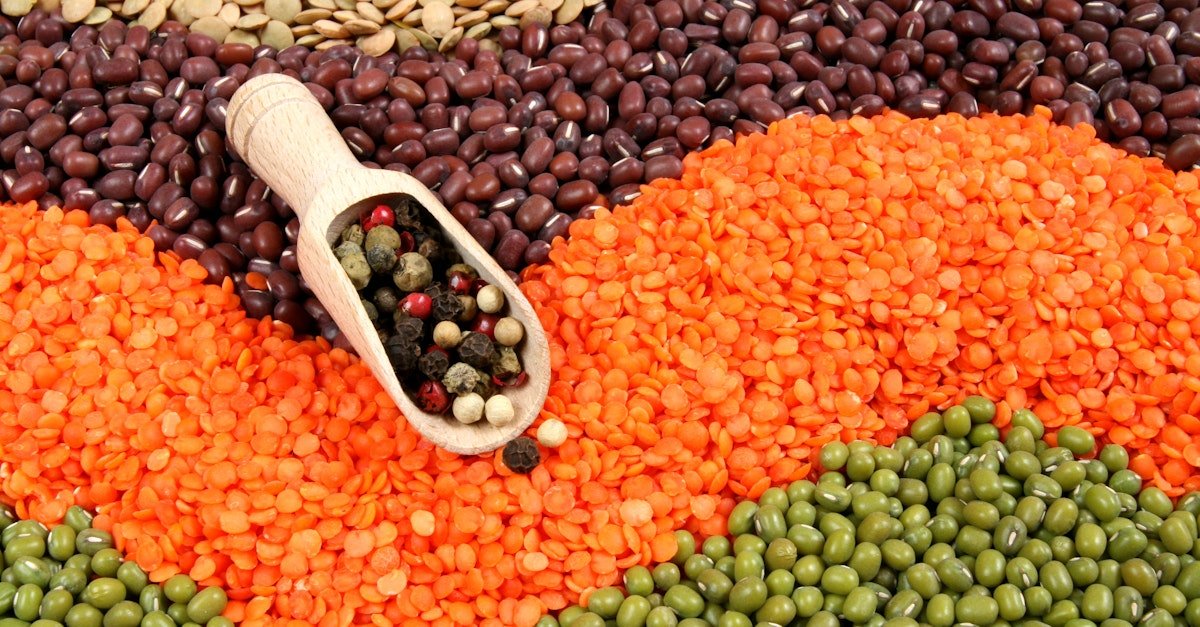
When it comes to protein sources, plant-based options have been shown to have numerous health benefits, including a reduced risk of cardiovascular disease and dementia. Plant-based proteins are rich in fiber, vitamins, minerals, and other phytonutrients, making them a healthy choice for overall well-being. It’s important to consume a variety of plant-based sources to ensure adequate intake of all essential amino acids.
While animal-based proteins like lean meats, poultry, fish, and eggs can also be part of a healthy diet, it’s crucial to choose high-quality sources and limit processed and red meat consumption. Fermented dairy products like yogurt and kefir can also provide gut health benefits alongside protein content.
Determining your individual protein needs depends on various factors, including age, sex, activity level, and health status. Recommendations for protein intake are typically given in grams per kilogram of body weight per day, with specific guidelines for different groups such as older adults, pregnant women, athletes, and individuals undergoing rapid weight loss.
Overall, the focus should be on consuming a diverse and healthy diet rather than obsessing over protein intake. Whole foods are the best source of nutrients, and protein supplements are generally not recommended unless necessary for certain health conditions. By making informed choices and listening to your body’s needs, you can ensure you are meeting your protein requirements while maintaining overall health and well-being.