
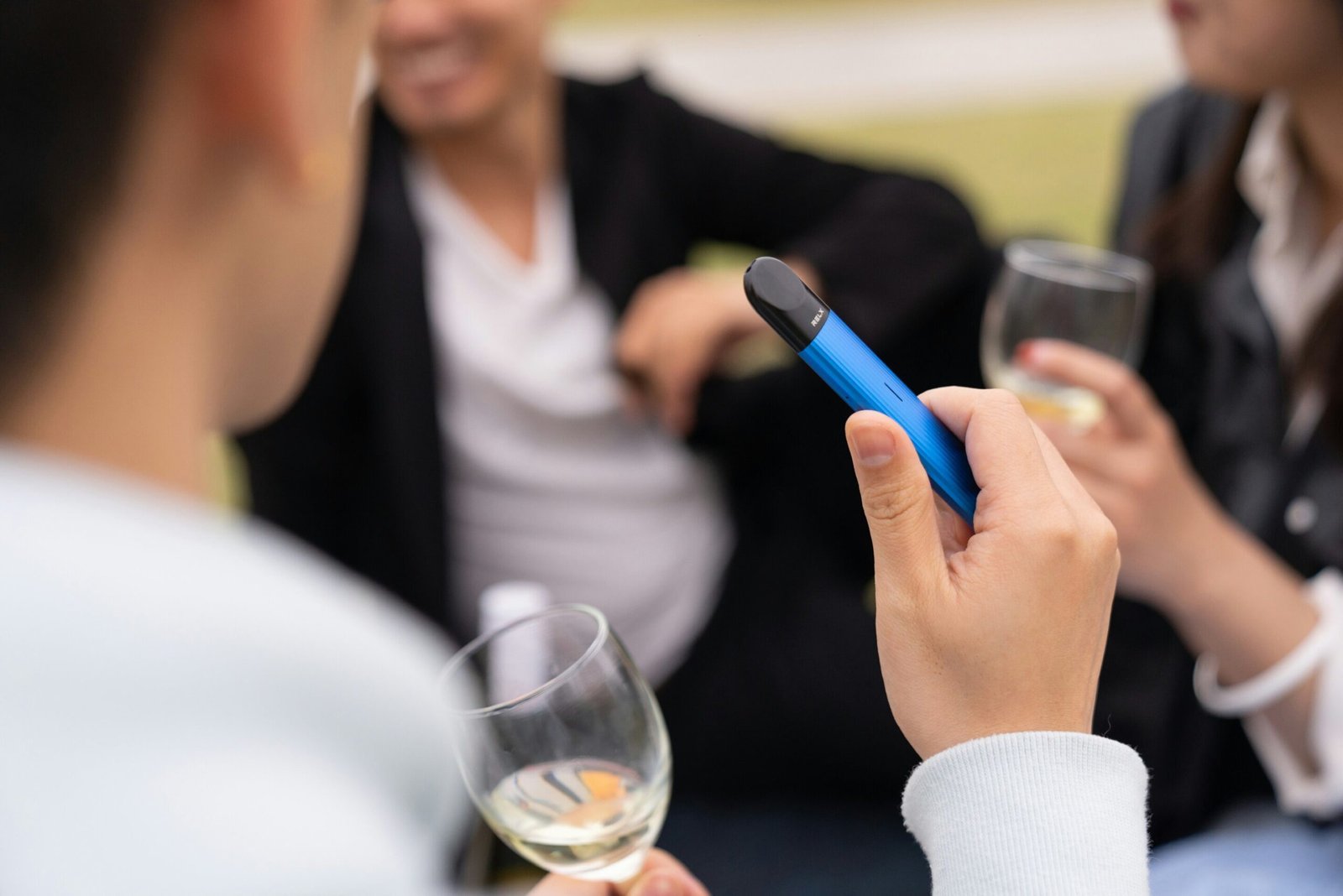
A US teenager was recently reported to have developed the oddly named medical condition “popcorn lung” after vaping in secret for three years. Officially known as bronchiolitis obliterans, popcorn lung is a rare but serious and irreversible disease that damages the tiny airways in the lungs, leading to persistent coughing, wheezing, fatigue and breathlessness.
The term “popcorn lung” dates back to the early 2000s when several workers at a microwave popcorn factory developed lung problems after inhaling a chemical called diacetyl—the same ingredient used to give popcorn its rich, buttery taste.
Diacetyl, or 2,3-butanedione, is a flavoring agent that becomes a toxic inhalant when aerosolized. It causes inflammation and scarring in the bronchioles (the smallest branches of the lungs), making it increasingly difficult for air to move through. The result: permanent, often disabling lung damage.
While diacetyl is the most infamous cause, popcorn lung can also be triggered by inhaling other toxic chemicals, including volatile carbonyls like formaldehyde and acetaldehyde—both of which have also been detected in e-cigarette vapors.
The scariest part? There’s no cure for popcorn lung. Once the lungs are damaged, treatment is limited to managing symptoms. This can include bronchodilators, steroids, and in extreme cases, lung transplantation.
Prevention, rather than treatment, is the best and only defense against the dangers of vaping. Unfortunately, for young vapers, prevention is not as simple. Vaping is highly popular among teenagers and young adults, with a wide variety of appealing flavors available. However, these flavors often contain a harmful chemical cocktail that can have serious consequences when inhaled.
When chemicals are ingested, they are processed by the liver before entering the bloodstream, reducing their potential harm. Inhaling chemicals, on the other hand, bypasses this filtration system, allowing them to go directly into the lungs and bloodstream. This direct route to vital organs like the heart and brain can lead to severe health issues.
The complexity of chemicals in vape products poses a significant risk. With over 180 different flavoring agents used in e-cigarettes, many of these chemicals break down into new compounds when heated, some of which have not been tested for inhalation safety. Diacetyl, a harmful chemical found in some vape products, has substitutes that may be equally dangerous. Cumulative exposure to these chemicals and byproducts increases the risk of respiratory conditions like popcorn lung.
The tragic story of the American teen who developed popcorn lung serves as a reminder of the 2019 Evali crisis in the US, which was linked to vitamin E acetate in some cannabis vape products. It is clear that prevention and education are crucial in protecting young people from the dangers of vaping.