
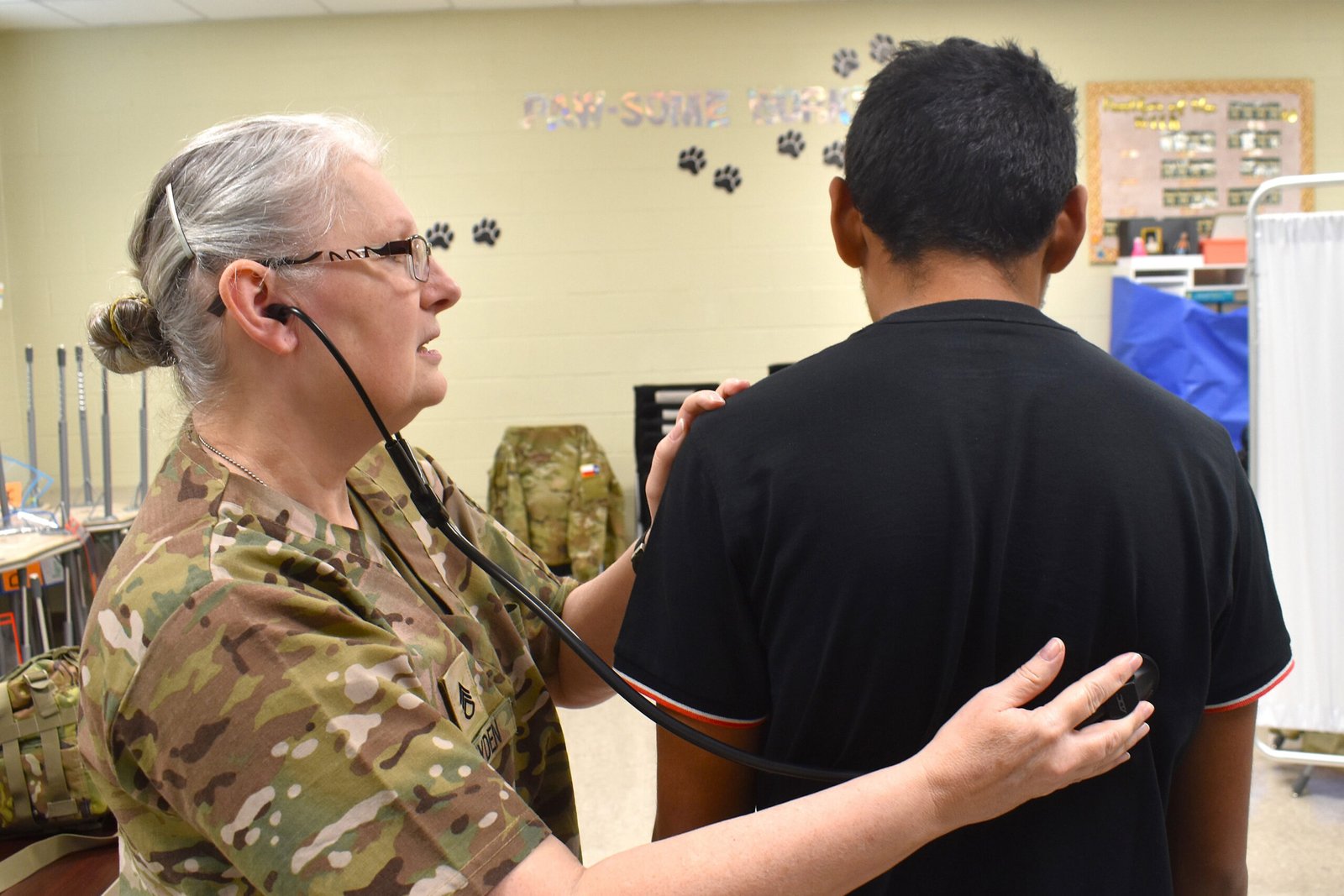
The cancellation of the annual Operation Border Health event in Texas has left many residents in the Rio Grande Valley without access to free medical care. The Trump administration’s decision to strip over $550 million in federal public health and pandemic funds from Texas has had a significant impact on the community, as this event has been a vital source of healthcare for over 25 years.
The financial cuts imposed by the administration have forced states and local governments to make tough decisions regarding their healthcare programs. With reductions in federal funding, many states are facing budget constraints and are bracing for more financial hits in the future.
In response to the funding cuts, some states are taking proactive measures to mitigate the impact on their healthcare systems. Hawaii, for example, is providing $50 million in grants to nonprofits affected by the cuts, while Delaware has halted a planned project to upgrade its Capitol complex.
In New Mexico, lawmakers have created a trust fund to boost funding for Medicaid, as the state anticipates significant cuts to the program under the new spending law. Similarly, other states are reallocating funds and forming advisory groups to navigate the changes brought about by the federal budget cuts.
The Trump administration’s One Big Beautiful Bill Act, which aims to reduce federal spending on Medicaid by $1 trillion over the next decade, has already had far-reaching consequences. The law will result in millions of people losing their Medicaid coverage and becoming uninsured, while also extending tax cuts for wealthy individuals.
As states grapple with the effects of the budget cuts, uncertainty and confusion abound. Many states are preparing for more cuts and are exploring ways to protect essential healthcare services. Some have passed legislation to fill the gaps left by federal funding cuts, while others are considering rolling back Medicaid expansions and making further cuts to health programs.
Overall, the impact of the federal budget cuts on state healthcare systems is profound, and state leaders are faced with difficult decisions as they navigate the changing landscape of healthcare funding. The future remains uncertain as states brace for more financial challenges in the coming years.