
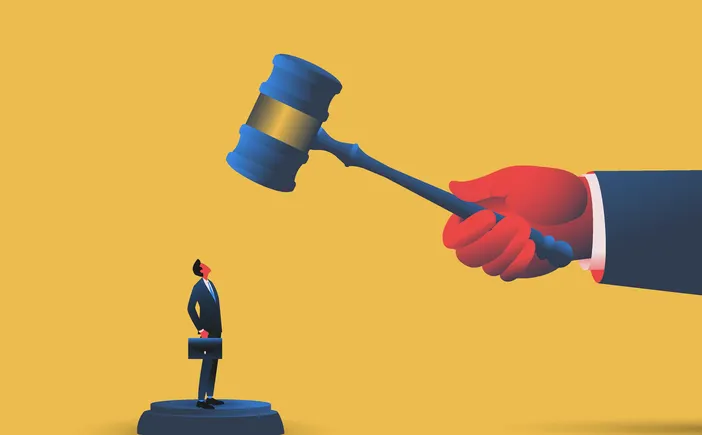
Pharma companies have been engaged in a legal battle against the government’s drug pricing program, known as the Inflation Reduction Act, in an attempt to dismantle it. Recent court losses for Novartis, Bristol Myers Squibb, and Johnson & Johnson have seemingly slowed down their efforts, but there are signs that the tide may be turning.
In a recent decision by the 3rd Circuit Court of Appeals, a dissenting judge raised questions about the constitutionality of the program, giving hope to the pharmaceutical industry. Judge Thomas Hardiman, a conservative judge with ties to former President Donald Trump, expressed a different view on the matter, suggesting that the companies’ constitutional rights may have been violated.
This dissenting opinion could be a preview of what’s to come in the higher courts, particularly the 5th Circuit Court of Appeals, where the industry is hoping to have their case heard. The 5th Circuit has shown some skepticism about the program’s legality, indicating a potentially favorable environment for the pharmaceutical companies.
One of the key arguments being used by the industry is the takings clause of the Fifth Amendment, which guarantees compensation for private property seized by the government. This argument, along with others, may hold promise for the pharma companies in their legal battles.
While the industry has yet to secure a victory in court, they are playing the long game, with the potential for a showdown in front of the Supreme Court. AstraZeneca has already petitioned the Supreme Court to review an earlier denial of an IRA appeals claim, and if the case is accepted, a decision could be reached as soon as June 2026.
Overall, the industry remains steadfast in their pursuit of challenging the government’s drug pricing program, with the hope of ultimately prevailing in the highest court in the land. The legal battle is far from over, and the pharmaceutical companies are prepared to continue their fight for what they believe is their constitutional rights. The pharmaceutical industry is currently facing a wave of legal challenges that could potentially lead to a landmark case being heard by the Supreme Court. With multiple circuit courts split on key issues of constitutional law, the stage is set for a potential showdown at the highest level of the judicial system.
The possibility of a circuit split only serves to further highlight the importance and complexity of the issues at hand. These are not just minor legal disputes, but significant matters that could have far-reaching implications for the industry as a whole. As cases continue to unfold in different parts of the country, pharma companies are strategically positioning themselves to present a challenge that will catch the attention of the Supreme Court justices.
According to legal experts, the industry only needs one of their claims to gain traction in order to pave the way for a potential Supreme Court review. This is a high-stakes game with major implications for the future of pharmaceutical regulation and oversight. The outcome of these legal battles could shape the way drugs are developed, tested, and marketed in the years to come.
As the 5th Circuit weighs in on these crucial constitutional issues, all eyes are on the potential for a circuit split that could ultimately lead to a Supreme Court showdown. The implications of such a case are vast, with the potential to reshape the legal landscape for the pharmaceutical industry.
In the meantime, pharma companies are closely monitoring the legal developments and preparing for all possible outcomes. The stakes are high, and the industry is leaving no stone unturned in its quest to secure a favorable outcome in these legal battles. The road ahead is uncertain, but one thing is clear – the future of pharmaceutical regulation hangs in the balance.