
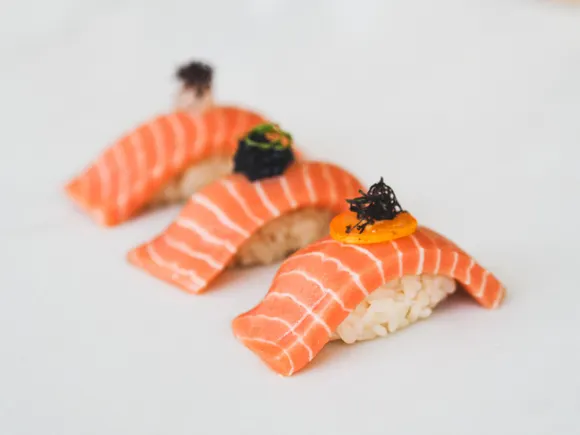
Lab-grown salmon has made its debut in the U.S. market, as the FDA recently cleared San Francisco-based Wildtype to offer its cultivated seafood product. This marks the first time the FDA has approved a lab-grown seafood product, signaling a milestone for the cultivated meat industry.
Wildtype successfully passed the FDA’s pre-market safety assessment, receiving a “no questions” letter from the agency affirming that their cultivated fish is safe for consumption. The company grows cells from living Pacific salmon, harvests them, and combines them with plant-based ingredients to create fish filets that closely resemble conventional fish.
Currently, Wildtype is offering its lab-grown salmon at a fine-dining restaurant in Portland, Oregon. The company plans to expand to four additional restaurants within the next four months, seeking partnerships to drive consumer awareness and adoption of their product.
The approval of Wildtype’s lab-grown salmon comes amidst a backdrop of regulatory challenges facing the cultivated meat industry. Several states, including Nebraska, Mississippi, Florida, and Alabama, have passed bans or restrictions on the sale of lab-grown meat. Despite these obstacles, the industry continues to grow, with the U.S. being home to 36 cultivated meat companies in 2024.
Advocates of cultivated meat argue that the technology can complement traditional agricultural practices by helping meet the growing demand for animal protein while addressing land and water constraints. Consumers, particularly flexitarians who are looking to reduce their meat consumption, represent a significant market for lab-grown products.
Major meat companies like Cargill, Tyson Foods, and JBS have invested in cultivated meat production, recognizing the potential for growth in the industry. Collaboration between traditional meat companies and cultivated meat producers could be key to scaling the industry and meeting consumer demand.
Despite regulatory challenges, cultivated meat producers like Wildtype are actively speaking out against restrictive legislation. The company’s co-founders have testified against state bills that seek to limit the sale of lab-grown meat, emphasizing the importance of technology and innovation in addressing global health and environmental challenges.
As the cultivated meat industry continues to evolve and expand, companies like Wildtype are paving the way for a more sustainable and environmentally-friendly future of food production. With consumer interest in alternative protein sources on the rise, lab-grown products are poised to play a significant role in shaping the future of the food industry.