
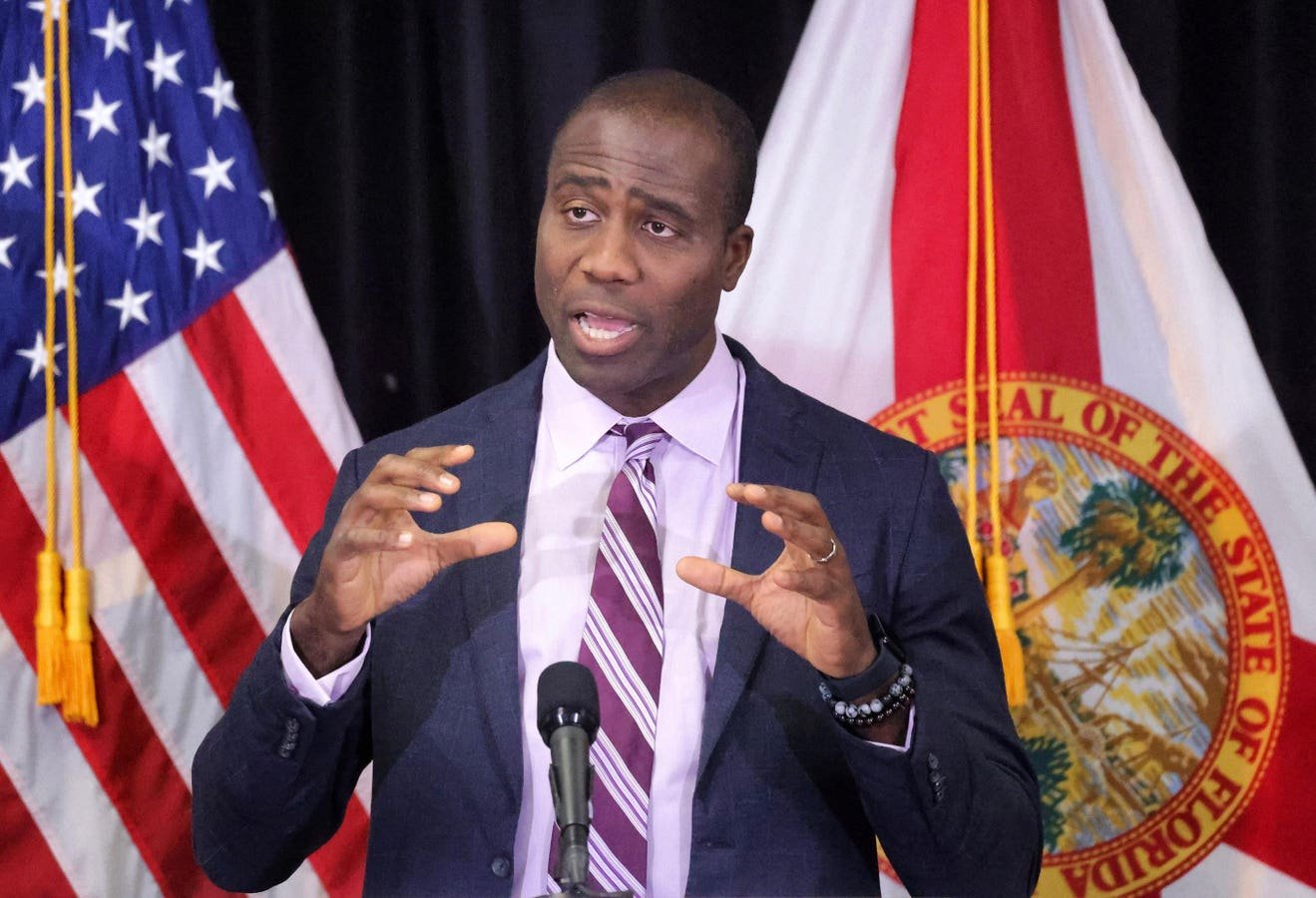
Florida Surgeon General, Dr. Joseph Ladapo. (Joe Burbank/Orlando Sentinel/Tribune News Service via Getty Images)
TNS
Florida’s Surgeon General, Dr. Joseph Ladapo, has recently made headlines with his plan to eliminate all vaccine mandates in the state, citing “medical freedom” and individual autonomy over their own bodies. However, vaccine mandates play a crucial role in United States immigration policy, requiring proof of vaccination for various diseases for individuals seeking immigrant visas or lawful permanent resident status.
While exemptions for medical contraindications or religious/moral objections exist, the overall goal of these mandates is to protect public health and prevent the spread of communicable diseases. Similar vaccination requirements are also in place for young children entering school in all 50 states and the District of Columbia.
Studies have shown the effectiveness of vaccinations in preventing millions of cases of infectious diseases and reducing hospitalization rates. However, Dr. Ladapo’s stance against vaccine mandates is rooted in principles of personal freedom and informed consent, challenging the notion of mandatory vaccinations for public health reasons.
The debate over vaccine mandates raises ethical questions regarding individual rights versus public health concerns. While informed consent is a fundamental principle in medical ethics, the herd-protective effects of vaccination may necessitate mandates to prevent harm to others.
Ultimately, the balance between personal autonomy and public health objectives remains a contentious issue, with philosophical and ethical considerations at play. The discussion surrounding vaccine mandates continues to evolve, highlighting the complex interplay between individual rights and societal well-being.