
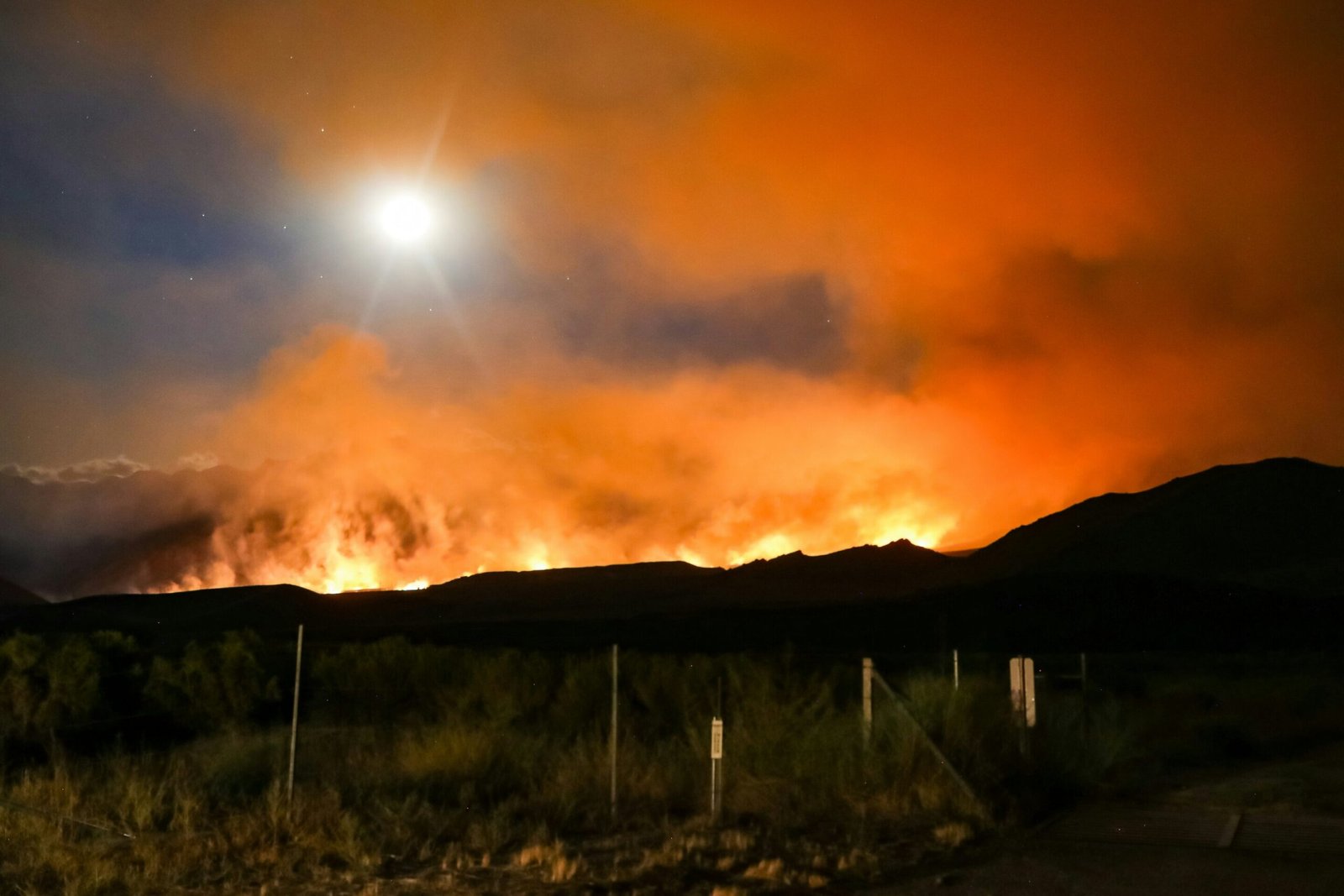
Wildfires have become a growing concern due to their devastating impact on the environment and public health. A recent study conducted by the Barcelona Institute for Global Health (ISGlobal) sheds light on the dangers of wildfire smoke, particularly the fine particles known as PM2.5, which are known to be harmful to human health.
The study, published in The Lancet Planetary Health, reveals that PM2.5 from wildfires poses a significantly higher mortality risk compared to non-fire-related particles. In fact, the mortality associated with wildfire smoke may be underestimated by as much as 93%. This alarming finding underscores the urgent need to address the health risks posed by wildfires.
The research was based on data from the EARLY-ADAPT project, which encompasses daily mortality records across 654 regions in 32 European countries. By analyzing the impact of fire-related and non-fire-related PM2.5 on mortality rates from 2004 to 2022, the study found that exposure to higher levels of wildfire-related fine particles increased the risk of death in the seven days following exposure. Specifically, every 1 µg/m³ increase in PM2.5 concentration led to a 0.7% increase in all-cause mortality, a 1% increase in respiratory mortality, and a 0.9% increase in cardiovascular mortality.
The study estimated that short-term exposure to wildfire-derived PM2.5 was responsible for an average of 535 annual deaths from all causes, highlighting the significant impact of wildfire smoke on public health. Importantly, using specific data on the health effects of wildfire smoke revealed a much higher mortality rate compared to using a general risk value for all fine particles. This discrepancy underscores the importance of accurately assessing the health risks associated with wildfire smoke.
Climate change is a major driver of the increasing frequency and intensity of wildfires, creating favorable conditions for their spread and posing a serious threat to public health. The study’s findings emphasize the need for better tracking and understanding of the health impacts of wildfire smoke, especially as wildfires continue to escalate due to climate change.
Regional variations in the association between wildfire-related PM2.5 exposure and mortality were also observed, with some countries like Bulgaria, Romania, Hungary, and Serbia being more affected than others. Understanding these regional differences is crucial for developing targeted strategies to mitigate the health risks posed by wildfire smoke.
In conclusion, the study by ISGlobal highlights the urgent need to address the health risks associated with wildfire smoke and underscores the importance of proactive measures to protect public health in the face of escalating wildfires. By improving our understanding of the health impacts of wildfire smoke, we can better prepare and respond to the growing threat posed by wildfires in the context of climate change.
