
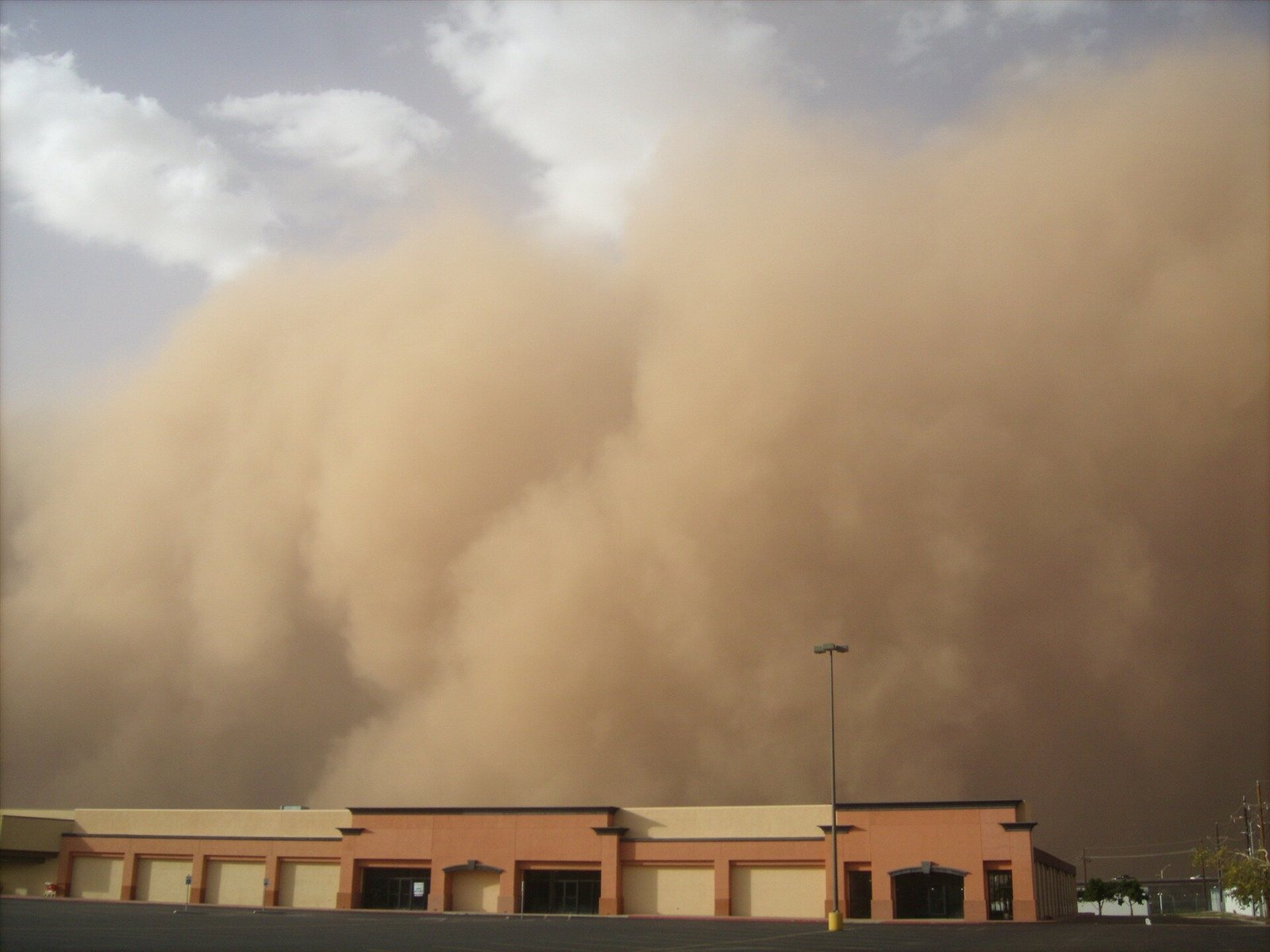
A recent research study has shed light on the significant health risks associated with dust storms, revealing a surge in emergency department (ED) visits for respiratory and cardiovascular conditions, as well as motor vehicle accidents, in three Southwestern U.S. states. The study, led by National Jewish Health, was published this month in JAMA Network Open.
Researchers from National Jewish Health, Emory University, and the University of Colorado examined over 33,500 ED visits across Arizona, California, and Utah from 2005 to 2018. The results show that dust storms are linked to an increased risk of asthma, culture-negative pneumonia, chronic obstructive pulmonary disease, congestive heart failure, ischemic heart disease, cerebrovascular disease, and motor vehicle accident admissions on the day of the storm or the days following. This underscores the dangerous nature of dust storms, not only for drivers but also for individuals with chronic health conditions.
“Dust storms are projected to become more frequent due to climate change, making it imperative that we comprehend their immediate and long-term health impacts,” stated James Crooks, Ph.D., associate professor at National Jewish Health and senior author of the study. “Our findings offer crucial data for public health officials to devise strategies aimed at reducing dust storm-related health risks.”
Key findings from the study include a 6% increase in ED visits for asthma in the two days following a dust storm, a 6% rise in ED visits for culture-negative pneumonia and congestive heart failure in the week after a storm, and a 13% increase in motor vehicle accidents on the day of a dust storm.
The study, which utilized National Weather Service storm reports and patient-level ED records, underscores the need for enhanced warning systems and public awareness campaigns to mitigate the health impacts of dust storms. Dr. Crooks emphasized the importance of proactive measures by policymakers and health officials to protect vulnerable populations in light of the expected increase in dust storms.
For more information, the study titled “Dust Storms and Emergency Department Visits in 3 Southwestern States Using NWS Storm Reports” can be found in JAMA Network Open (2025) with DOI: 10.1001/jamanetworkopen.2024.57666.
This research was conducted by National Jewish Health, a leading healthcare institution dedicated to respiratory, cardiac, and immune diseases. For further details, visit their website at http://www.njc.org/index.aspx.