
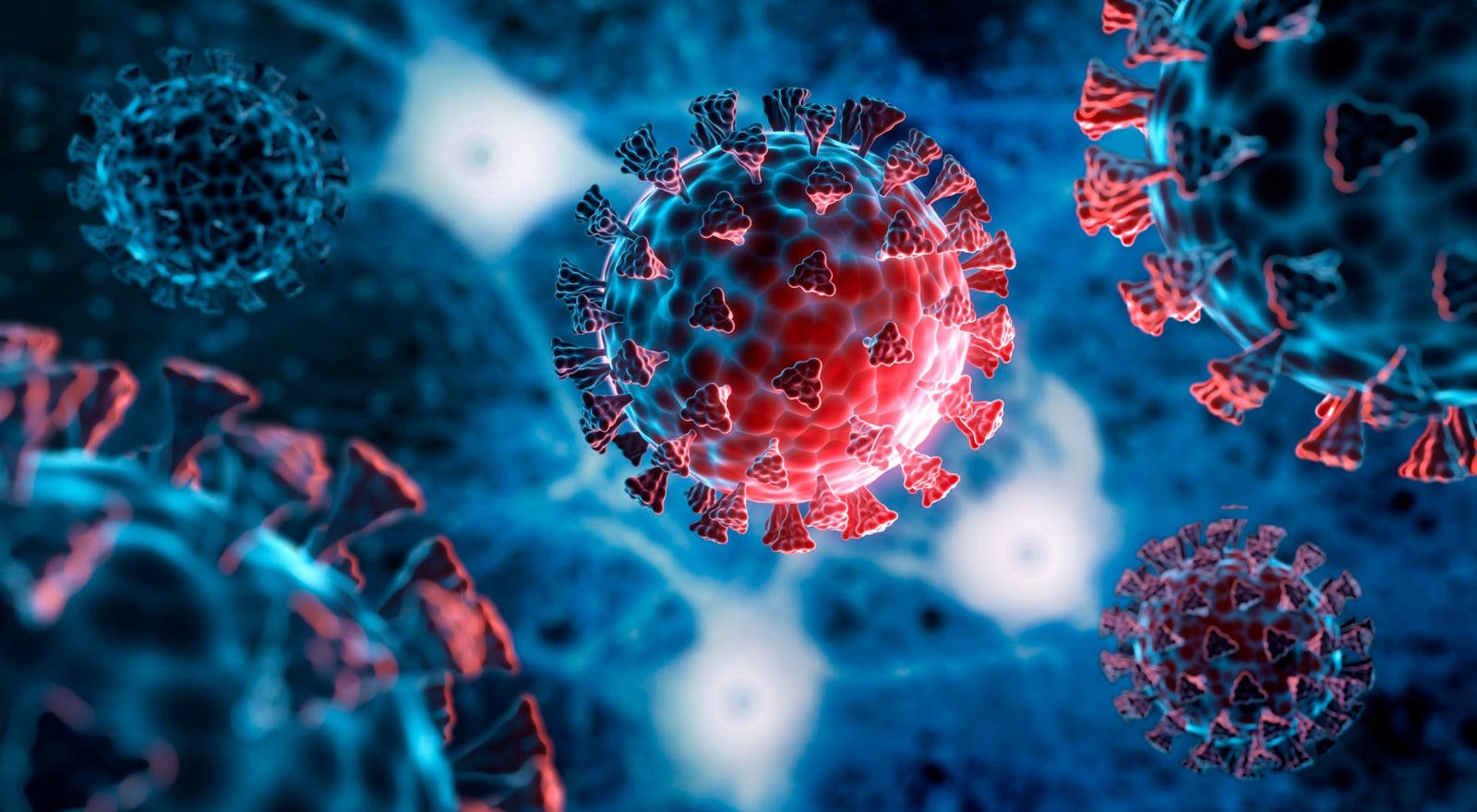
Corona Virus mutation covid-19 illustration with dark blue brain cell background
getty
New antiviral drugs in development could offer the strongest line of defense yet against COVID-19 and other coronaviruses, including future strains that have not yet appeared. The pace of viral evolution over the past five years has challenged vaccines and eroded the effectiveness of current treatments such as Paxlovid. Variants like Omicron have proven adept at evading immune protection and outmaneuvering single-target drugs. The urgency is clear: we need medicines that can stop not only today’s virus, but tomorrow’s. New antivirals must address evolving and unpredictable viral threats.
The Case for Broad-Spectrum Antivirals
Broad-spectrum antivirals are designed to address this challenge by targeting a wide range of coronaviruses, including SARS-CoV-2 and its variants, as well as related viruses such as SARS-CoV-1, MERS-CoV, and the seasonal coronaviruses responsible for the common cold. While these viruses mutate rapidly, they retain certain structural features and steps in their life cycle that remain stable over time. By focusing on these conserved elements, it’s possible to develop treatments with lasting effectiveness. Some investigational drugs also inhibit human cell enzymes essential for viral entry, blocking infection at multiple stages.
Two promising drug candidates, TMP1 and ISM3312, illustrate the progress made by integrating molecular biology, structural chemistry, and artificial intelligence in antiviral development. TMP1, a product of collaboration between the University of Hong Kong and Sichuan University, is a bispecific inhibitor. Unlike traditional antivirals that target a single viral protein, TMP1 acts on two fronts. It blocks the main protease (Mpro), a viral enzyme essential for replication, and also inhibits transmembrane serine protease 2 (TMPRSS2), a human enzyme that enables the virus to enter airway cells. By disrupting both viral replication and entry, TMP1 aims to reduce the likelihood of resistance and improve treatment durability.
A Dual-Target Coronavirus Inhibitor and an AI-Powered Antiviral Design
Oral TMP1 greatly reduced viral loads and prevented transmission in animal models, including SARS-CoV-2–infected mice and hamsters. TMP1 covers a wide range of coronaviruses, a rare feature among antivirals. Its dual targeting of a viral enzyme and a human protease greatly minimizes the risk of resistance—the virus must evolve in both, which is highly improbable. Finally, oral administration makes TMP1 suitable for easy, widespread use outside hospitals.
While TMP1 exemplifies targeted biochemical design, ISM3312 highlights the potential of artificial intelligence to accelerate drug discovery. Developed by Insilico Medicine, ISM3312 is a small molecule optimized by AI to bind permanently to the main coronavirus protease (Mpro). This enzyme is essential for viral replication and is highly conserved across coronaviruses, making it an ideal target for broad-spectrum inhibition. By irreversibly inactivating Mpro, ISM3312 aims to halt viral replication across multiple coronavirus species.
In animal studies, ISM3312 has demonstrated substantial reductions in viral levels within the lungs and brains of infected mice. High doses provided full protection against the original SARS-CoV-2 strain, while lower doses were effective against Omicron and other variants. Unlike Paxlovid, ISM3312 does not require a booster drug, simplifying treatment and reducing the risk of drug interactions. Its straightforward synthesis from common materials supports rapid and scalable manufacturing. ISM3312 has progressed to human clinical trials in China after receiving approval for Investigational New Drug testing.
Preparing for Future Coronavirus Outbreaks
Over the past two decades, coronaviruses such as SARS, MERS, and COVID-19 have crossed from animals to humans, causing significant harm. Their ability to mutate and recombine means new threats are likely. Scientific literature supports the strategy of developing drugs that target a wide range of coronaviruses. Specifically, research compiled in Molecular Biology of SARS-CoV-2: Opportunities for Antiviral Drug Development and The COVID-19 Textbook: Science, Medicine, and Public Health concludes that broad-spectrum antivirals are the most realistic way to prepare for pandemics. TMP1 and ISM3312 are examples of ongoing work in this area, with potential to address both current and future threats.
TMP1 and ISM3312 represent different but complementary approaches to fighting viral evolution. TMP1 targets both viral and host cell factors, blocking replication and entry into cells. ISM3312 uses AI-optimized molecular design to develop a drug that permanently inactivates a critical viral enzyme. Together, they could form the core of a strategy that anticipates new variants instead of simply reacting to them after they appear.
While this new work is focused on coronaviruses, it draws directly on hard-earned lessons from earlier battles against other persistent viruses. In HIV therapy, combination treatments targeting multiple enzymes transformed a fatal infection into a manageable condition. In hepatitis C, multi-target antivirals delivered effective cures. These successes were built on the principles of precision targeting, multipronged approaches, and global cooperation—principles now shaping the coronavirus antiviral field. TMP1 and ISM3312 carry these lessons forward, offering a roadmap for stopping the next viral threat before it has the chance to spread.
Today, developing drugs that can withstand viral evolution is within reach. The successes achieved against persistent viruses like HIV and hepatitis C have paved the way for this progress. Combination therapies turned HIV from a fatal disease into a manageable condition, and multi-target drugs brought lasting cures for hepatitis C. These breakthroughs illustrate the power of precision, multi-faceted targeting, and global collaboration. As the world faces new viral threats, these principles will be essential for building resilient treatments that protect public health now and in the future.