
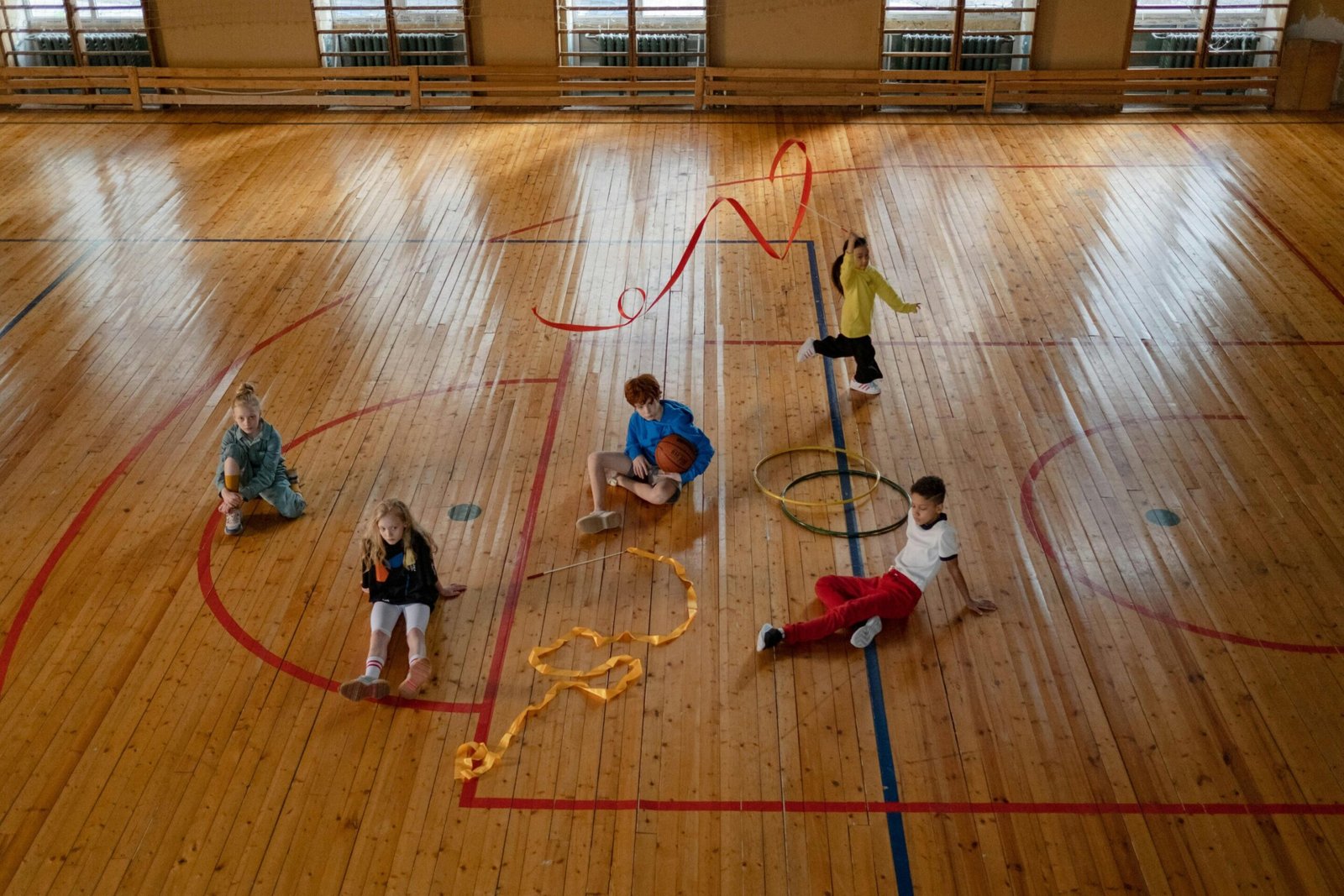
Physical education (PE) is a crucial component of a child’s education, providing numerous benefits for both physical and cognitive health. However, recent data shows a concerning trend of decreasing PE hours in UK schools, raising concerns about the impact on academic success. As the new school year commences, it is imperative to prioritize and maintain PE hours to support children’s cognitive development.
Research has consistently demonstrated the positive effects of PE on cognitive performance. Studies have shown that PE lessons, particularly those involving moderate-to-vigorous physical activity, enhance working memory, reasoning, learning, and problem-solving skills among students. The intensity of physical activity during PE sessions plays a crucial role in maximizing cognitive benefits, with higher intensity activities yielding greater improvements in cognitive function.
Moreover, the setting in which PE takes place also influences cognitive outcomes. Outdoor physical activities have been found to have a more significant impact on attention, working memory, and executive function compared to indoor activities. Therefore, advocating for outdoor PE sessions can further enhance the cognitive benefits for students.
The immediate effects of physical activity on cognitive performance are well-documented, with a single bout of exercise translating into improved academic performance, particularly in math. Long-term studies have also highlighted the correlation between physical fitness and cognitive performance, emphasizing the importance of regular physical activity in enhancing overall cognitive function.
Despite the wealth of evidence supporting the cognitive benefits of PE, reports indicate a decline in the number of PE hours delivered in schools. This trend underscores the need to recognize the essential role of PE in academic success and prioritize its inclusion in the curriculum. Further cuts to PE hours must be avoided to ensure that children have access to the cognitive benefits that physical activity provides.
In conclusion, physical education is not only vital for physical health but also plays a significant role in enhancing cognitive function and academic success. By prioritizing PE hours in schools and promoting higher intensity activities, educators can support students’ cognitive development and overall well-being. It is crucial to value and preserve the place of PE in the curriculum to ensure that children receive the cognitive benefits that physical activity offers.