
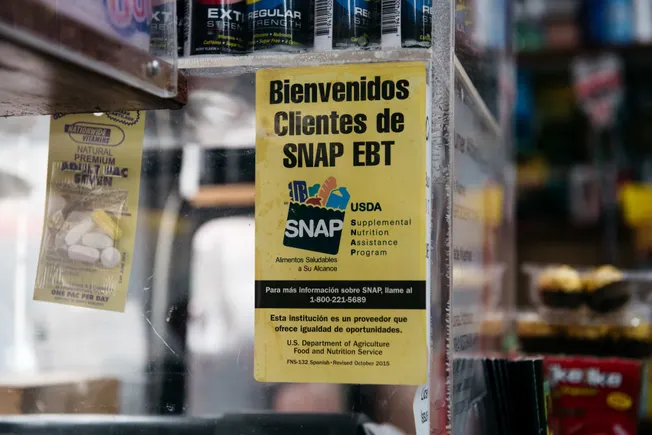
The grocery industry is gearing up for new federal policy and state waivers that will impact the Supplemental Nutrition Assistance Program (SNAP), according to a report by Coresight Research. Already, 12 states have received approval from the USDA to restrict certain items like candy and soda from SNAP eligibility, with implementation slated for next year. This change will likely lead to reduced foot traffic and smaller basket sizes for grocers, especially those in low-income and rural areas.
The report notes that the SNAP changes will affect retailers differently, with mass retailers like Walmart and Kroger facing moderate challenges, while smaller grocers and dollar stores catering to SNAP consumers will experience more significant changes. Health-focused retailers may be less impacted due to their emphasis on healthier, SNAP-compliant items.
Coresight predicts that the policy changes will push consumers towards seeking healthier options but may also decrease discretionary spending or prompt them to opt for cheaper alternatives. The state waivers are expected to primarily impact grocers’ center store categories.
To navigate these changes, Coresight recommends that retailers reposition or replace items no longer eligible for SNAP benefits with alternatives that are eligible. Private label products can play a crucial role in offering affordable options for staples like bread, dairy, and protein. National retailers like Target and Walgreens have already expanded their private label offerings to cater to health-conscious consumers.
Retailers can leverage their private label lines to guide SNAP consumers towards healthier choices and increase margins. They can also introduce smaller pack sizes to help SNAP consumers maximize their purchasing power. Promotions for staple items and loyalty program restructuring to reward customers who purchase essentials are also suggested strategies.
In addition to assortment changes, Coresight suggests that retailers invest in in-store signage, community outreach, and worker training to help shoppers adjust to the new policies. Many SNAP recipients may not be aware of the changes until they reach the checkout, leading to potential frustration. By proactively addressing these challenges, retailers can better support their SNAP customers during this transition period.