
But providers in communities like Starr County say they’re already stretched thin. In Starr County, about 30% of the population is uninsured, compared to a national rate of about 8%.
The county’s hospital, a 45-bed facility, is the only one for miles. It is also one of the few places where people can get primary care. Doctors in Starr County say the hospital has been operating in “survival mode” for years, as patients come in with serious ailments that could have been prevented or managed earlier with regular medical care.
“It’s really hard for us because the hospital is the only place where you can get care,” Margo said. “If we’re not there, where are they going to go?”
Health care providers in Starr County say they’re worried that the new health care law will exacerbate existing challenges. The hospital relies on Medicaid, a joint federal-state program that covers low-income people, for about 60% of its revenue. Medicaid’s enhanced subsidies provided by the ACA have helped offset the costs of caring for uninsured patients, but those are set to expire.
“If Medicaid goes away, we’re in trouble,” said Margo. “We won’t survive.”
Experts say that if providers like Starr County Memorial Hospital close their doors, it will have a ripple effect on the community. Patients will have to travel long distances to receive care, which could lead to delays in treatment and worse health outcomes.
“Closing a hospital in a rural area is a catastrophe,” said Rosenbaum. “It’s a catastrophe for the community, and it’s a catastrophe for the patients who rely on that hospital for their care.”
For now, Margo and his team continue to do their best to care for the patients who come through their doors. They know that the challenges they face are not unique to Starr County, and that many other communities across the U.S. are dealing with similar issues.
“We’re all in this together,” Margo said. “We have to find a way to make sure that everyone has access to the care they need, regardless of their insurance status.”
As the health care debate continues in Washington, the people of Starr County and communities like it are left wondering what the future holds for their health care system.
“We just want to be able to take care of our patients,” Margo said. “That’s all we’re asking for.”
The impact of the GOP’s efforts to roll back the ACA is being felt across the country, particularly in rural communities where access to healthcare is already limited. The recent budget law has resulted in significant cuts to Medicaid, leading to potential closures of rural facilities and layoffs of front-line clinicians. Public health departments are also facing federal funding cuts, reducing their capacity to provide essential care to underserved populations.
One of the key provisions of the budget law is the requirement for individuals to work in exchange for Medicaid coverage, a move that has been met with criticism from healthcare advocates. Critics argue that this requirement could prevent vulnerable populations from accessing essential healthcare services, further exacerbating health disparities.
The impact of these cuts is already being felt on the ground. Esther Rodriguez, a mother of five from McAllen, Texas, has been out of work for two years and relies on a mobile health clinic for basic healthcare services. With Medicaid cuts looming, Rodriguez is concerned about her ability to afford necessary medical care for herself and her family.
Healthcare providers in rural areas are also feeling the pinch. Quang Ngo, president of the Texas Organization of Rural & Community Hospitals Foundation, warns that the cuts could spell financial ruin for small rural hospitals, many of which are already struggling to stay afloat.
The Trump administration’s budget request for the coming fiscal year includes additional cuts to rural health programs, further jeopardizing access to healthcare in underserved communities. The recent funding cuts to the ACA navigator program have also raised concerns about the ability of uninsured individuals to find affordable health insurance.
Overall, the GOP’s efforts to roll back the ACA are having a devastating impact on the healthcare system, particularly in rural and underserved communities. Healthcare advocates and providers are calling for increased funding and support to ensure that all Americans have access to affordable, quality healthcare.
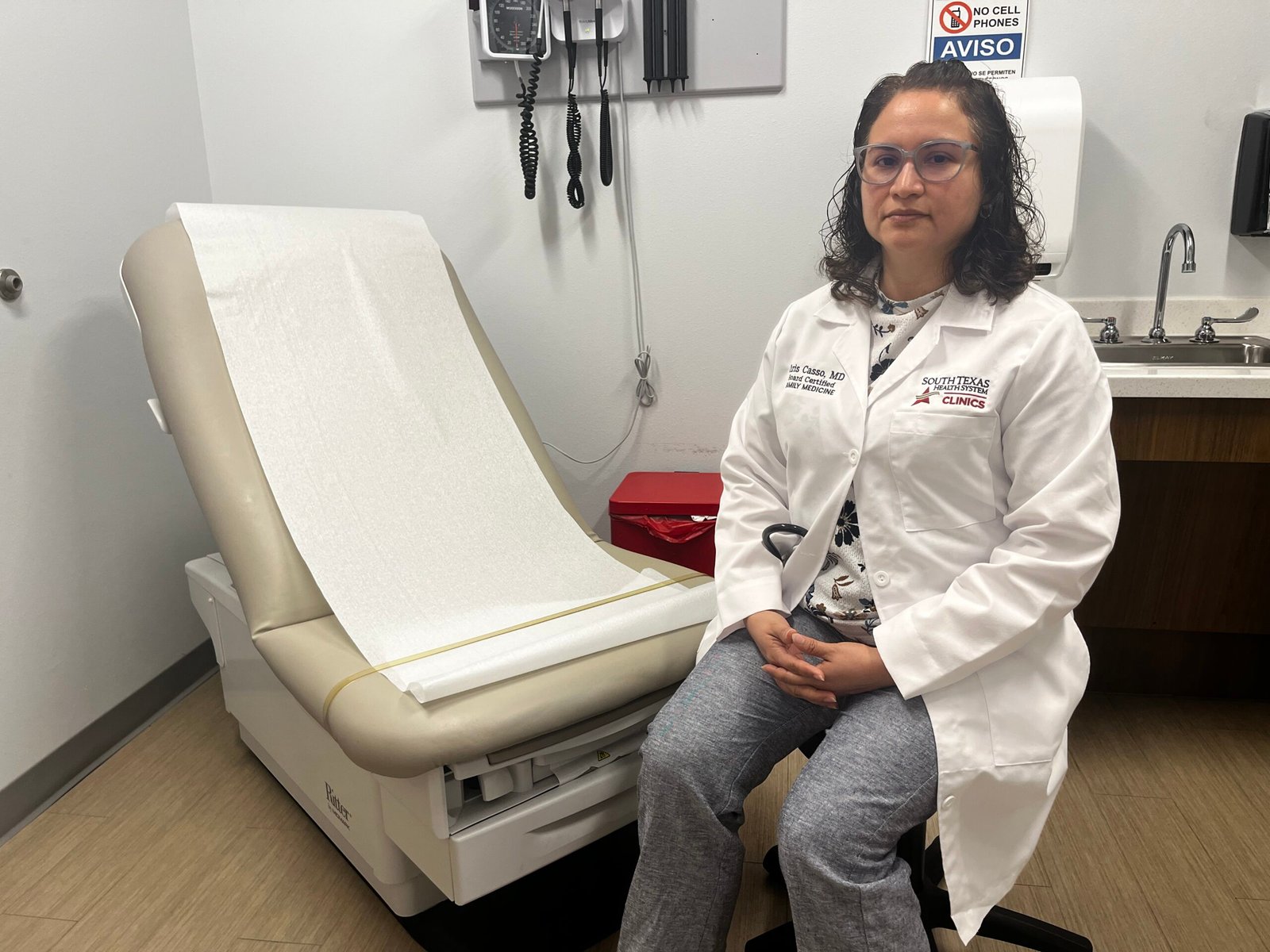
In a heartfelt interview, Chris Casso shared the heartbreaking story of her sister, who tragically passed away at the age of 45 due to complications from diabetes and heart disease. Despite working as a medical biller in a physician’s office, her sister was unable to afford health insurance, causing her to delay necessary medical care. Casso emphasized that her sister was just one example of the hardworking people in her community who struggle to take care of themselves due to lack of access to affordable healthcare.
Casso, who now practices family medicine in McAllen, Texas, expressed deep concern for the future of her community. She believes that if more people are unable to afford healthcare, the population will suffer devastating consequences. The loss of her sister has fueled her passion for advocating for better healthcare access for all, especially those who are working tirelessly to make ends meet.
As Casso reflects on her own experiences and the challenges faced by her community, she is determined to make a difference. She believes that everyone deserves access to quality healthcare, regardless of their financial situation. By sharing her story and raising awareness about the struggles faced by hardworking individuals, Casso hopes to inspire change and prevent more tragic losses like the one her family endured.
Through her work in family medicine and her advocacy efforts, Casso is committed to ensuring that everyone has the opportunity to lead healthy and fulfilling lives. She is a dedicated healthcare provider who understands the importance of accessible and affordable healthcare for all. As she continues to fight for change, Casso remains a beacon of hope for those who are struggling to take care of themselves in the face of financial hardship.