
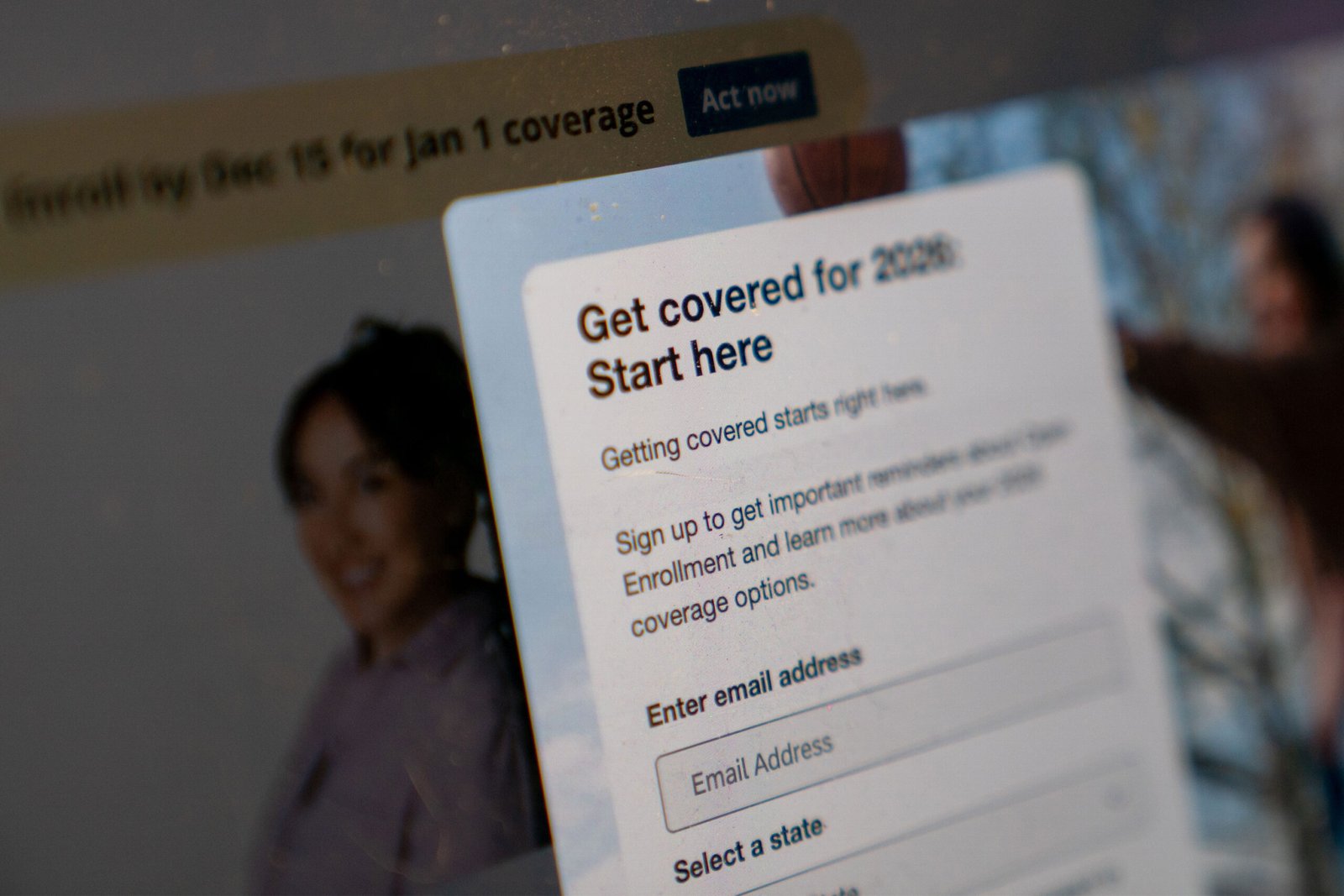
As we navigate through the current open enrollment period for health insurance plans in the state and federal marketplaces established by the Affordable Care Act (ACA), also known as Obamacare, there is a cloud of uncertainty and confusion hanging over more than 24 million individuals. The future of expanded subsidies, which make insurance more affordable for 92% of enrollees, remains uncertain, with the possibility of significant premium increases on the horizon.
Despite the ongoing uncertainty, there are steps you can take to ensure you make the right choice for your health insurance plan next year.
1. Understand How We Got Here
In 2021, as part of a COVID relief package, ACA subsidies were expanded to lower costs for those who already qualified and extend eligibility to those with incomes above 400% of the federal poverty level (around $63,000 for a single individual in 2025). These expansions, renewed in 2022, are set to expire at the end of 2025 unless Congress takes action.
The debate over renewing the subsidies has been a political battleground between Republicans and Democrats in Congress, contributing to the ongoing federal government shutdown. The economic implications for many marketplace enrollees are significant.
According to the Kaiser Family Foundation (KFF), if the expanded subsidies expire, premium payments for enrollees are projected to more than double on average next year. It’s crucial for individuals to stay informed and exercise caution when selecting a plan.
2. Stay Informed
While it may be frustrating to keep up with the day-to-day congressional battles, staying informed is essential. Congress could reach an agreement to renew the subsidies at any time in the coming months, or they may not. This uncertainty could impact your enrollment decision, so it’s crucial to stay informed.
Don’t rely on the marketplace or your insurer to inform you about potential premium changes. Many state marketplaces have delayed sending notifications to consumers about net premiums, which already account for subsidies. The federal government does not send notifications to enrollees about next year’s premiums in the 28 federally run marketplaces and has indicated plans to continue this practice for 2026.
3. Update Your Account Information
Make sure to log into your insurance marketplace account and update your income, household size, and any other relevant information. Providing an accurate estimate of your projected 2026 income is particularly important this year.
Due to a provision in the HR 1 law, known as the One Big Beautiful Bill Act, the limits on what many individuals must repay if they underestimated their income and received more assistance than they were entitled to have been eliminated. Next year, they will have to repay the entire overpayment amount.
Given the premium uncertainty, this is not the year to allow the marketplace to automatically re-enroll you in your current plan or a similar one. This is especially important for those who may no longer qualify for subsidies next year, specifically individuals with incomes above 400% of the federal poverty level.
4. Choose Your Plan Based on the Published Price
If Congress fails to extend the expanded subsidies, many individuals may be surprised by the projected premium costs. According to KFF, health insurance premiums in the marketplaces are expected to increase by an average of 26% next year, the largest increase since 2018.
Thus far, individuals have been largely shielded from these increases due to the expanded subsidies. Most individuals with ACA plans pay a portion of their premium based on a progressive scale of their income, with the government covering the rest.
If the expanded subsidies are not renewed, a family of four with a $75,000 income would have to pay $5,865 annually for a silver-level benchmark plan in 2026, more than double the $2,498 they would pay if the subsidies were renewed.
When evaluating a plan, focus on the published price. If the plan is unaffordable without the expanded subsidies, it may not be the best option for you. Consider enrolling in a less generous plan with a lower premium but a higher deductible, such as a bronze plan. These plans should still offer comprehensive coverage, including free preventive care, and cover some medical visits before the deductible is met.
5. Review Multiple Times
If you find the premium prices discouraging on your first visit, don’t give up hope. “Don’t close the computer or assume there are no options for you,” said Jennifer Sullivan, director of health coverage access at the Center on Budget and Policy Priorities. “Congress could still act, and things could change dramatically.”
Legislators could restore the expanded subsidies until the end of next year or even later. In most states, including the 28 that use the centralized federal marketplace, the open enrollment period lasts until January 15. Be mindful of other important dates as well.
6. Wait to Pay the Premium
While premiums typically must be paid before the plan takes effect, marketplaces and insurers have the flexibility to extend deadlines. They may allow more time to make the first payment, for example. If a last-minute agreement is reached and an individual has already paid their premium for January coverage but received a lower subsidy than they would be entitled to under the new agreement, they should still be able to receive the higher subsidy.
In conclusion, the current open enrollment period is filled with uncertainty, but by staying informed, updating your account information, choosing a plan based on the published price, and reviewing your options multiple times, you can make an informed decision about your health insurance coverage for the coming year. Remember to stay engaged with the latest updates and be prepared to adapt to any changes that may occur.
