
Researchers from Lancaster University have conducted a study revealing that many currently available breast cancer symptom-management apps fall short of meeting essential clinical or user needs.
In light of the increasing number of early-stage breast cancer patients opting for self-managed care pathways, the significance of mobile health apps has grown significantly. Patients are now expected to monitor their symptoms from home and seek specialized clinical advice only when necessary. While this approach reduces the strain on healthcare services, it also creates a gap in real-time clinical oversight.
Dr. Amjad Fayoumi, Senior Lecturer in Information Systems, Dr. Emily Winter, Lecturer in Computer Science, along with Master’s student Xinyi Huang and Dr. Anas Najdawi from Abu Dhabi University, undertook an extensive review of clinical literature and mobile health trials to identify crucial app features that support effective symptom management.
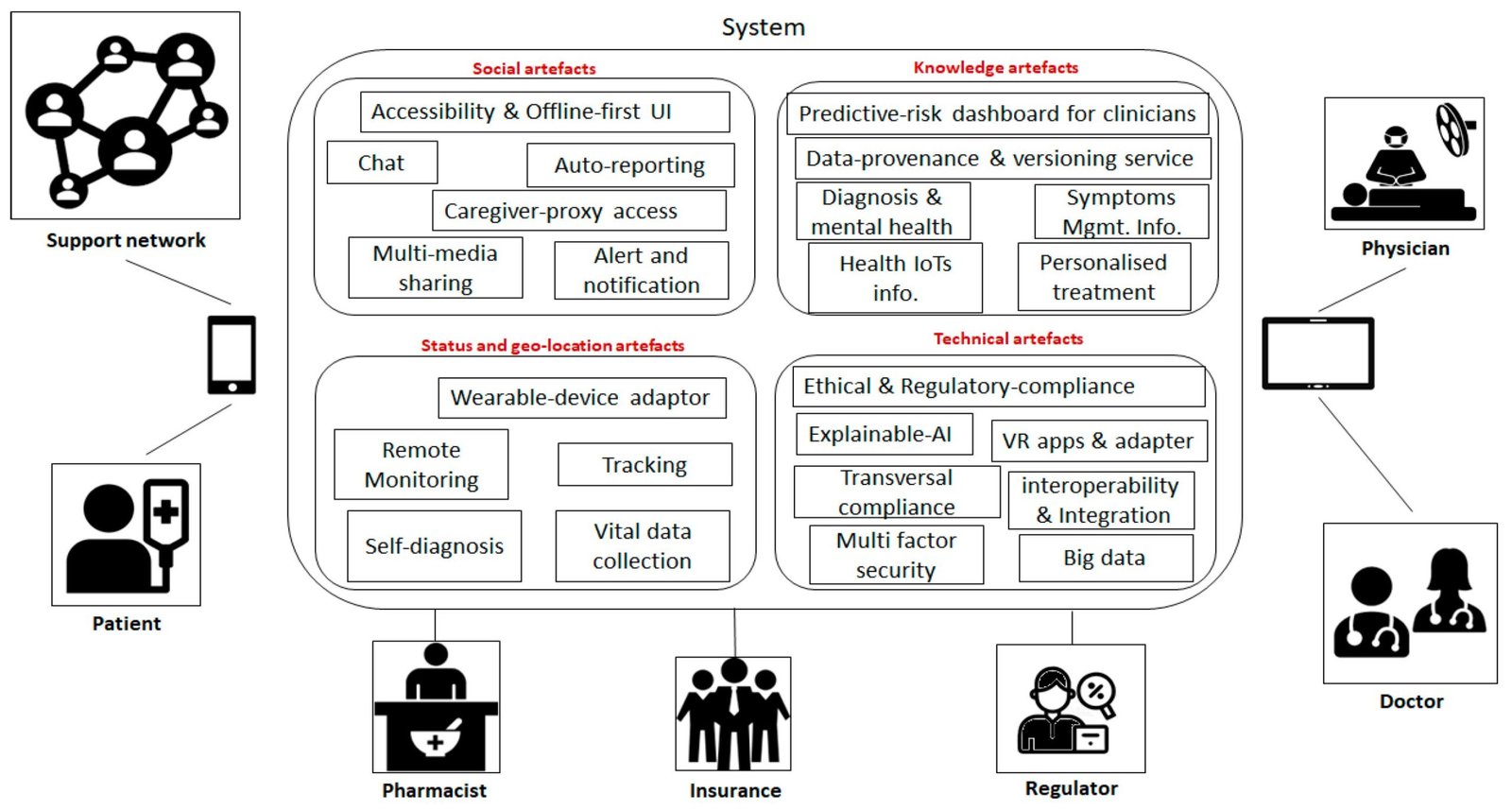
Key features identified included symptom tracking, educational content, mental health support, personalized feedback, and integration with local hospital systems. The team evaluated five apps available on the Apple store against these criteria, with the results published in the journal Informatics.
The evaluation process involved developing a formal set of requirements based on previous clinical studies and trials, which were then used to score each app. The top-performing app met just over 70% of the total criteria, highlighting critical shortcomings in areas such as clinician communication and psychological support. None of the apps included all recommended features, and some lacked basic usability enhancements like multilingual content or caregiver access.
While most apps excelled in basic functions like symptom logging and providing general information, they lacked features such as guided mindfulness or cognitive behavioral support for mental health, real-time alerts to clinicians, integration with electronic health records, and the use of artificial intelligence for predictive tools.
Dr. Winter emphasized the need for improvement in breast cancer self-management apps, stating, “This work shows there is a significant gap between the support that these apps should offer to breast cancer patients and the support that is actually present.”
The study underscored the necessity for more integrated apps that go beyond symptom recording. The team now plans to develop an app that incorporates the identified missing features, aiming to create smarter and more supportive breast cancer self-management apps.
For more information, refer to the study “Design Requirements of Breast Cancer Symptom-Management Apps” published in Informatics (2025) by Xinyi Huang et al, DOI: 10.3390/informatics12030072.
This research was conducted by Lancaster University. For further details and updates, visit their website: http://www.lancs.ac.uk/.