
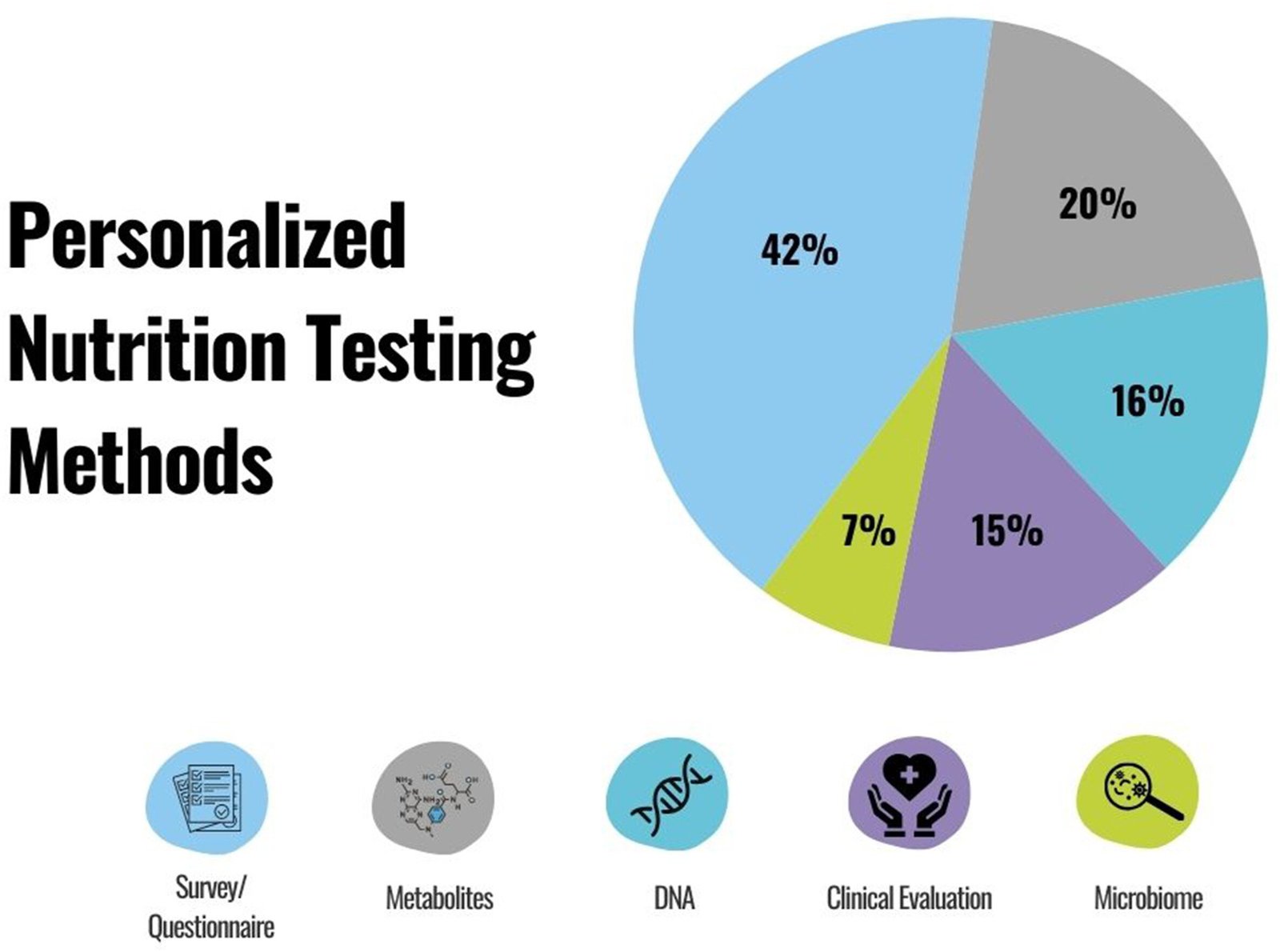
Personalized nutrition (PN) has gained popularity in recent years as a customized approach to health outcomes. PN combines biomedical, genetic, and lifestyle data to provide individualized recommendations, and a plethora of companies offer various forms of health screenings, apps, programs, products, and diet advice.
The Personalized Nutrition Initiative at the University of Illinois Urbana-Champaign, together with their external partners, hosted two workshops for PN practitioners and experts, aimed at establishing guidelines and setting up best practices for the field. The workshop findings were recently published in two journal articles.
“One of the biggest challenges is that to do personalized nutrition right, you need a lot of different types of data, and the field is becoming increasingly complex. To provide consistency and continuity, we need to understand all these components and how they fit together,” said Sharon Donovan, professor in the Department of Food Science and Human Nutrition, part of the College of Agricultural, Consumer and Environmental Sciences at Illinois.
Donovan is the director of the Personalized Nutrition Initiative at Illinois, which serves as a hub for research and education on the topic.
“We want the Personalized Nutrition Initiative to be viewed as a trusted place where researchers and companies, and perhaps regulatory agencies, can come together to synthesize current knowledge and identify future directions.
“We act as a convener, bringing together experts for discussions and recommendations,” she expressed.
The authors of the first paper in Critical Reviews in Food Science and Nutrition outlined guiding principles for personalized nutrition approaches, focusing on users, data handling, methodology, and purpose.
In the second paper in Advances in Nutrition, the authors discussed the challenges and opportunities related to data and regulatory issues in personalized nutrition, which encompasses a range of products with varying regulatory requirements.
The workshop delved into utilizing artificial intelligence for data analysis and integration to gain a comprehensive understanding. Different types of data, from glucose levels to genetic sequencing, present challenges in combining for personalized nutrition advice.
Anna Keck, assistant director of the Personalized Nutrition Initiative, emphasized the importance of ethical data collection and building trust with consumers in data-intensive personalized nutrition products and services.
“Setting guidelines for data readiness and ethical collection practices is crucial for the future of personalized nutrition,” Donovan concluded.
