
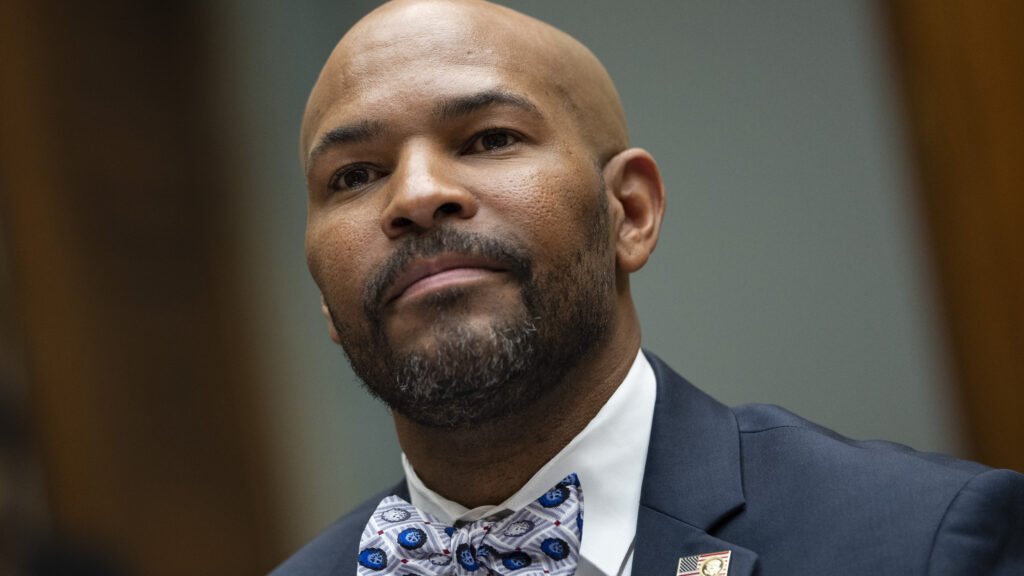
Former surgeon general Jerome Adams made headlines last week when he broke his rule of focusing on policies over personalities and called for the removal of Health and Human Services Secretary Robert F. Kennedy Jr. Adams, who served as surgeon general during President Trump’s first administration, has emerged as a vocal critic of public health policy in the current administration, often engaging with science skeptics on social media platforms like X.
In a recent interview with STAT, Adams discussed the events that led him to call for Kennedy’s removal, the fallout from the recent chaos within the Centers for Disease Control and Prevention (CDC), and the growing unease among Republican health circles. Adams highlighted the importance of restoring trust in public health institutions like the CDC, which has seen a decline in public confidence under Kennedy’s leadership.
Adams emphasized the need for strong leadership in the face of crises like the recent CDC shooting, where Kennedy’s delayed and tepid response failed to reassure CDC employees and regain their trust. Adams criticized Kennedy for spreading misinformation about vaccines, autism, and other health issues, leading to a loss of confidence in the CDC among major physician groups.
As someone with personal stakes in medical advancements like mRNA technology, Adams expressed concern over the dismantling of mechanisms that could affect future medical breakthroughs, particularly in cancer treatment. He underscored the importance of maintaining access to vaccines and innovative treatments to combat future health crises.
Despite his connections within the current administration, Adams shared insights into the concerns of individuals working inside the government, including worries about the potential impact of Kennedy’s actions on vaccine access. He acknowledged the delicate balance between supporting Kennedy’s focus on chronic disease and nutrition while addressing the risks associated with his anti-vaccine stance.
Adams urged the public to voice their support for vaccines and public health measures by contacting their legislators, members of Congress, and governors. He emphasized the need for pro-vaccine voices to speak out against misinformation and ensure the protection of future generations from preventable diseases.
In conclusion, Adams highlighted the importance of standing up for science-based policies and advocating for the well-being of the population. By prioritizing public health and supporting evidence-based practices, Adams hopes to inspire positive change and protect the health of individuals and communities.