
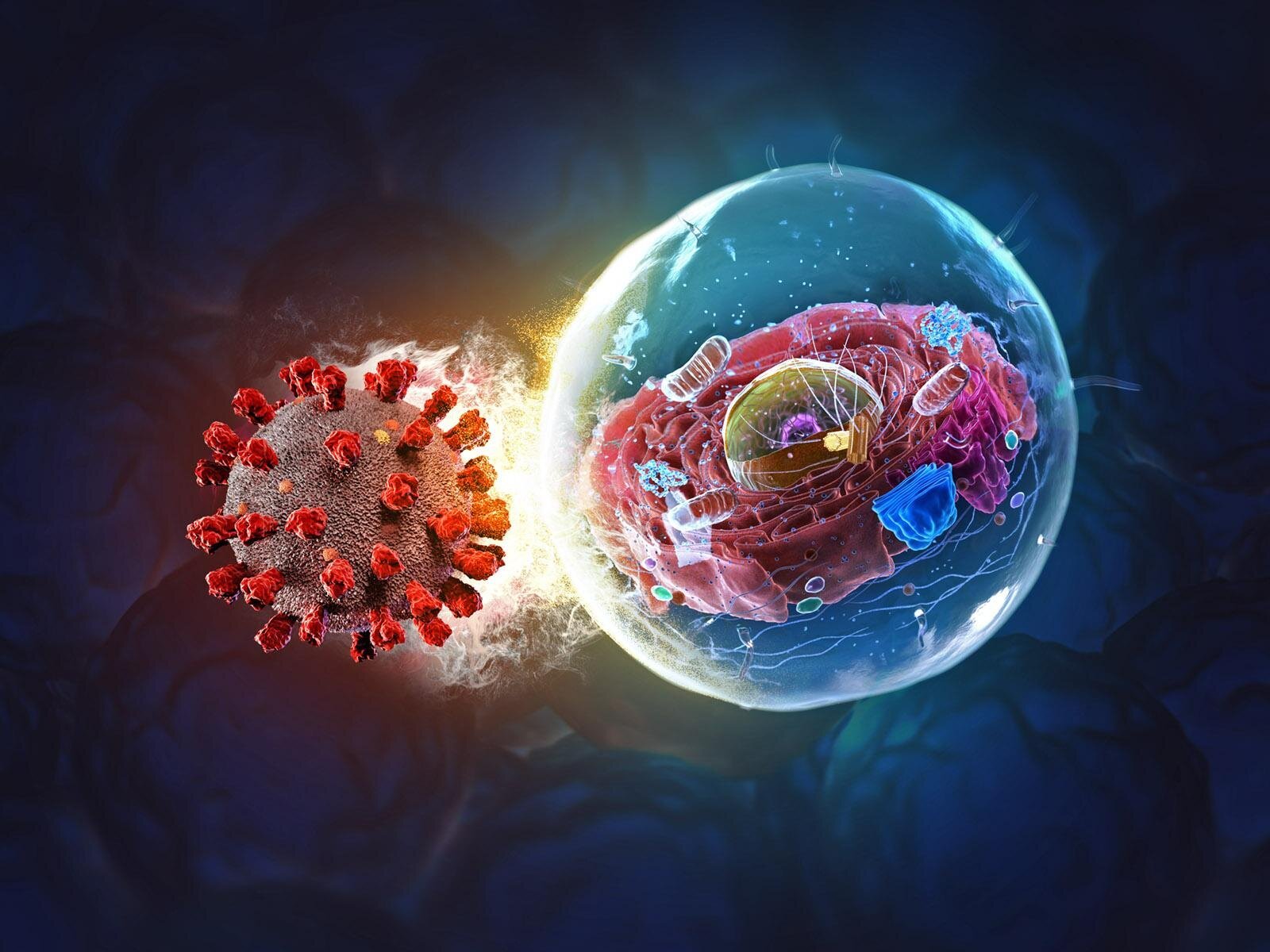
Scientists have made a groundbreaking discovery in understanding how the common cold virus operates within the human body. By identifying key cellular checkpoints that are targeted by the virus, researchers at the Department of Energy’s Pacific Northwest National Laboratory are paving the way for a new approach to combat viral pathogens.
Unlike traditional antiviral drugs that directly target specific viruses, the team at PNNL is focusing on fortifying the body’s defenses against a wide range of viruses. By identifying vulnerable molecular complexes that are targeted by various invading viruses, the goal is to prevent viral replication at the cellular level, effectively stopping multiple viruses in their tracks.
The team’s innovative approach involves manipulating cellular control points to disrupt the virus’s ability to hijack the host cell’s machinery for replication. This strategy not only offers a more comprehensive defense against viruses but also minimizes the risk of viral mutations that can render antiviral medications ineffective.
Through a technique called limited proteolysis-based mass spectrometry (LiP-MS), researchers were able to pinpoint specific proteins that undergo conformational changes when infected by the common cold virus. By studying human cells infected with HCoV-229E, a virus that causes the common cold, the team identified eight key targets, including two molecular assemblies involved in RNA processing.
One of the identified targets, Nop-56, plays a critical role in RNA approval and protein synthesis. When hijacked by the virus, Nop-56 enables the production of viral proteins at the expense of normal cellular functions. Similarly, the spliceosome C-complex, another crucial target, is exploited by the virus to divert RNA editing processes towards viral replication.
By disrupting the interaction between the virus and these key molecular assemblies, researchers were able to inhibit viral replication in human lung cells. This novel approach not only holds promise for combating the common cold but also offers a potential strategy for combating more severe coronaviruses like COVID-19 and MERS-CoV.
Moving forward, the PNNL team is exploring existing compounds with antiviral properties and utilizing artificial intelligence to identify potential drug candidates that target the molecular vulnerabilities identified in their study. By focusing on host cell proteins that are essential for viral replication, the team aims to develop broad-spectrum antiviral drugs that can effectively combat a variety of viral pathogens.
This groundbreaking research, published in the Journal of Proteome Research, represents a significant step towards a new frontier in antiviral therapy. By targeting cellular control points rather than specific viruses, scientists are opening up new possibilities for combating viral diseases and protecting public health.