
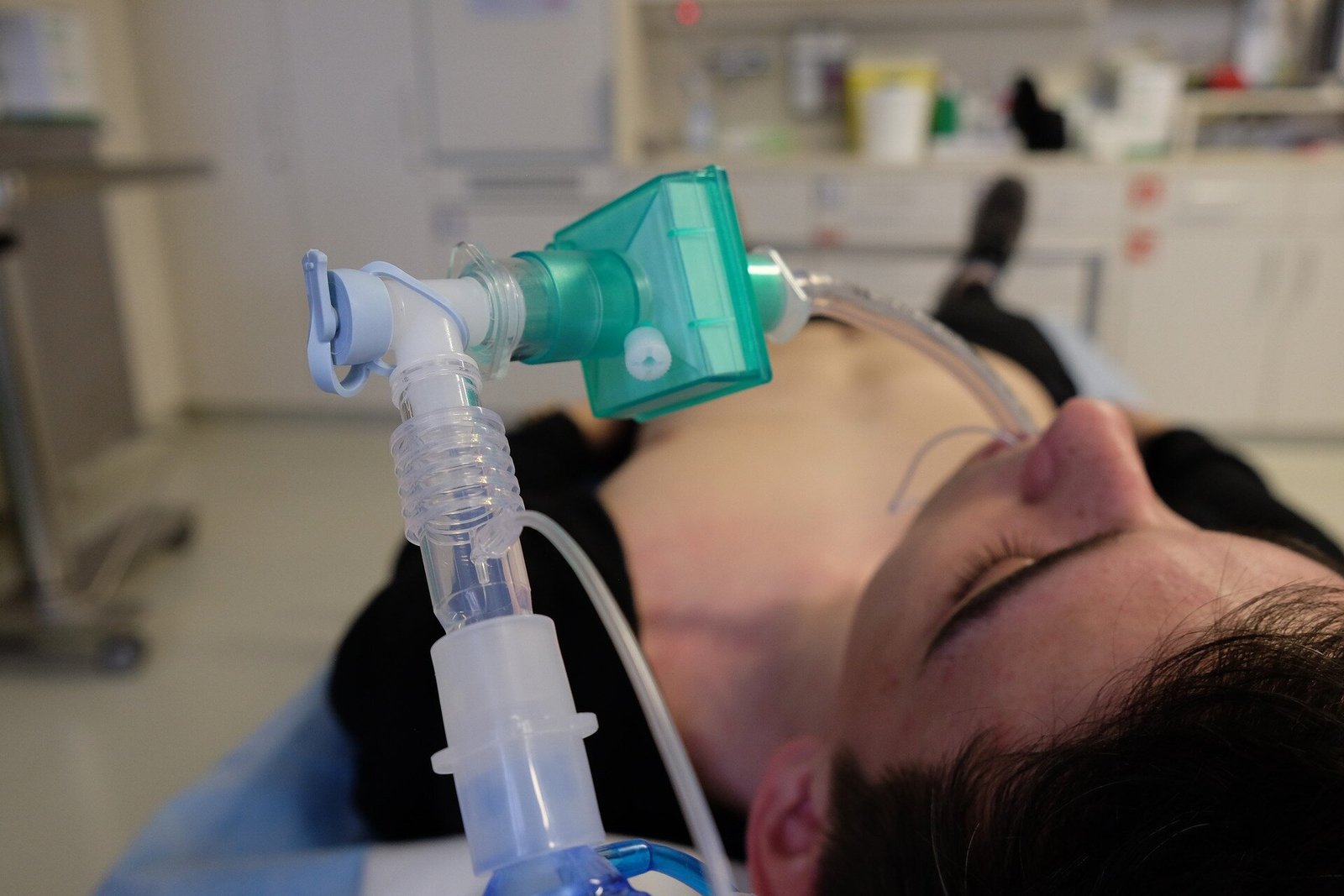
Endotracheal intubation is a critical procedure in emergency medicine, essential for maintaining an open airway and ensuring the flow of oxygen to the patient. However, traditional intubation methods require extensive training, skill, and ideal conditions for success. In challenging environments such as prehospital settings, where time is of the essence, the success rate of intubation can be significantly lowered due to various factors.
Researchers at UC Santa Barbara have developed a groundbreaking non-electronic soft robotic device that autonomously guides a soft tube into the trachea, making intubation less reliant on ideal conditions and specialized training. Initial testing of the device has shown a 100% success rate with highly trained users and a 96% overall success rate with non-expert prehospital medical providers.
The traditional tools used for intubation rely on pushing a metal laryngoscope into the mouth to lift the epiglottis and navigate the complex anatomy of the airway. However, these tools are limited in their ability to navigate delicate and tortuous anatomy, leading to lower success rates, especially in challenging conditions.
The soft robotic device developed by the UC Santa Barbara researchers eliminates the need for rigid tools by using a soft, growing tube that minimizes friction with surrounding tissue and automatically conforms to its environment. This innovative approach allows for easier navigation of the airway, even in varying anatomical placements and configurations.
In tests with mannequins and cadavers, the soft robotic intubation system demonstrated rapid and effective performance, with a high success rate for both expert and non-expert users. The researchers are now moving towards conducting clinical trials to obtain approvals for clinical use, with the potential to revolutionize emergency intubation procedures and save lives in a variety of healthcare settings.
If successful, this soft robotic device could significantly improve the success rate of emergency intubations, especially in challenging conditions, and have a positive impact on global healthcare by providing access to life-saving interventions in underserved populations. Stay tuned for more updates on this groundbreaking technology that has the potential to transform emergency medical care.