
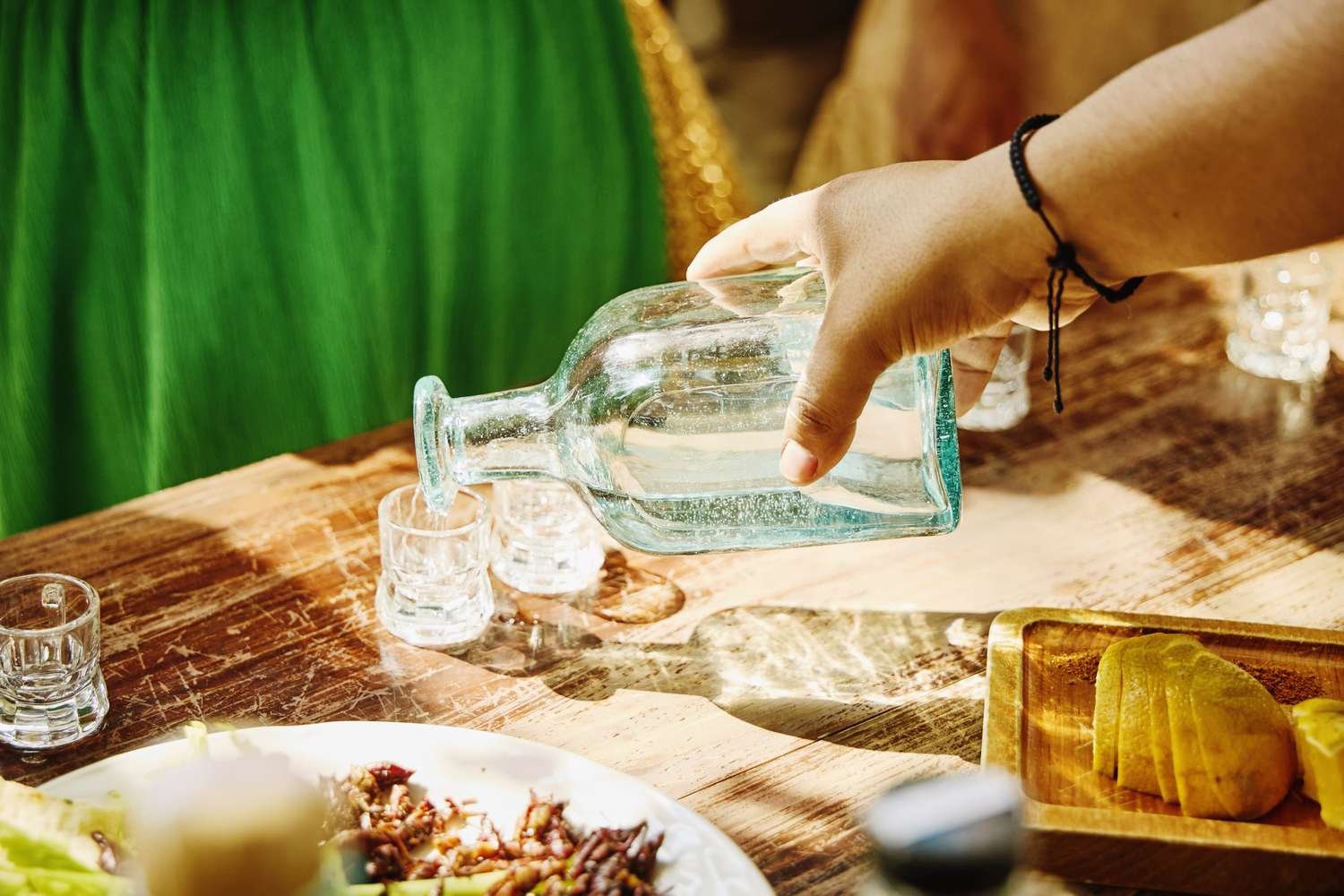
When it comes to enjoying spirits and cocktails around the world, there are some interesting differences in alcohol by volume (ABV) that you may encounter. From regional variations in popular spirits to changing legal minimums, the ABV of your favorite drinks can vary depending on where you are.
In the European Union, the legal minimum ABV for many spirits is 37.5%, while in Mexico, tequila is often sold at 38% ABV but can go as low as 35%. In the U.S., tequila must be at least 40% ABV to be considered a spirit. However, spirits with added flavors can be sold at lower proofs than unflavored base spirits.
In South Africa, spirits were required to be a minimum of 43% ABV, but this law was recently changed. It’s still common to find spirits like vodka in South Africa at a high strength compared to elsewhere in the world where it is usually sold at 40% ABV.
Beyond legal minimums, some spirits are traditionally bottled at higher proofs in certain countries. For example, rum in many Caribbean countries is bottled at higher strengths than in the U.S., while many mezcal bottlings are sold at lower proof in the U.S. than in Mexico.
Whiskey drinkers are accustomed to paying attention to ABV levels, as Scotch, bourbon, and other whiskeys can range from 40% ABV to over 60% ABV within the same brand. Terms like “single barrel,” “distiller’s strength,” and “cask proof” may indicate different ABVs, with the exception of bottled-in-bond spirits, which are always sold at 50% ABV in the U.S.
Liqueurs also vary in ABV depending on the country. Campari, for example, has been spotted at ABVs ranging from 21% to 28.5% in different parts of the world, with the U.S. typically falling in the middle at 24% ABV. These regional differences can also extend to the ingredients used in liqueurs, such as natural and artificial colorings.
Changes in proof can also occur within the same brand, leaving fans surprised. Beefeater gin, for example, lowered its ABV from 47% to 40% in the U.S., causing some Martini enthusiasts to seek out the remaining higher-proof bottles.
While the difference in a few percentage points of ABV may seem small, it can impact the flavor and experience of a spirit. From a taste perspective, a higher ABV may provide a spicier kick, while a lower ABV could be perceived as smoother or lacking in flavor.
Whether you’re a spirits connoisseur or just enjoy trying new drinks, exploring the differences in ABV around the world can add an extra layer of excitement to your global cocktail adventures. So next time you’re traveling, be sure to sample the local spirits and compare them to what you’re used to at home. Cheers to discovering new flavors and ABV variations in spirits! The Importance of Mental Health in Today’s Society
In today’s fast-paced and stressful world, mental health has become a topic of increasing concern. With the rise of social media, technology, and the pressures of modern life, more and more people are experiencing mental health issues such as anxiety, depression, and stress. It is essential to recognize the importance of mental health and the impact it has on our overall well-being.
Mental health is just as important as physical health, yet it is often overlooked or stigmatized. Our mental health affects how we think, feel, and act, and it influences how we handle stress, relate to others, and make choices. When our mental health is compromised, it can have a significant impact on our daily lives and can lead to a range of issues such as difficulty concentrating, mood swings, and even physical health problems.
One of the main reasons why mental health is so important is because it affects our ability to cope with stress. In today’s society, stress is a common factor in many people’s lives, whether it be due to work, family, relationships, or other pressures. When we are mentally healthy, we are better able to manage stress and navigate through life’s challenges. However, when our mental health is compromised, stress can become overwhelming and can lead to more serious mental health issues.
Another reason why mental health is crucial is because it impacts our relationships with others. Healthy relationships are essential for our overall well-being, and when our mental health is suffering, it can strain our relationships with friends, family, and coworkers. Mental health issues such as depression and anxiety can make it difficult to connect with others, leading to feelings of isolation and loneliness.
Furthermore, mental health is closely linked to physical health. Studies have shown that poor mental health can contribute to physical health problems such as heart disease, diabetes, and obesity. When we neglect our mental health, it can have a negative impact on our physical well-being, leading to a cycle of poor health overall.
It is crucial that we prioritize our mental health and take steps to promote mental well-being. This can include practicing self-care activities such as exercise, meditation, and spending time with loved ones. Seeking professional help from a therapist or counselor can also be beneficial for those struggling with mental health issues.
In conclusion, mental health is a vital aspect of our overall well-being and should not be overlooked. By recognizing the importance of mental health and taking steps to prioritize it, we can lead happier, healthier lives. Remember, it’s okay to not be okay, and seeking help is a sign of strength, not weakness. Let’s work together to break the stigma surrounding mental health and create a society that values and supports mental well-being for all.