
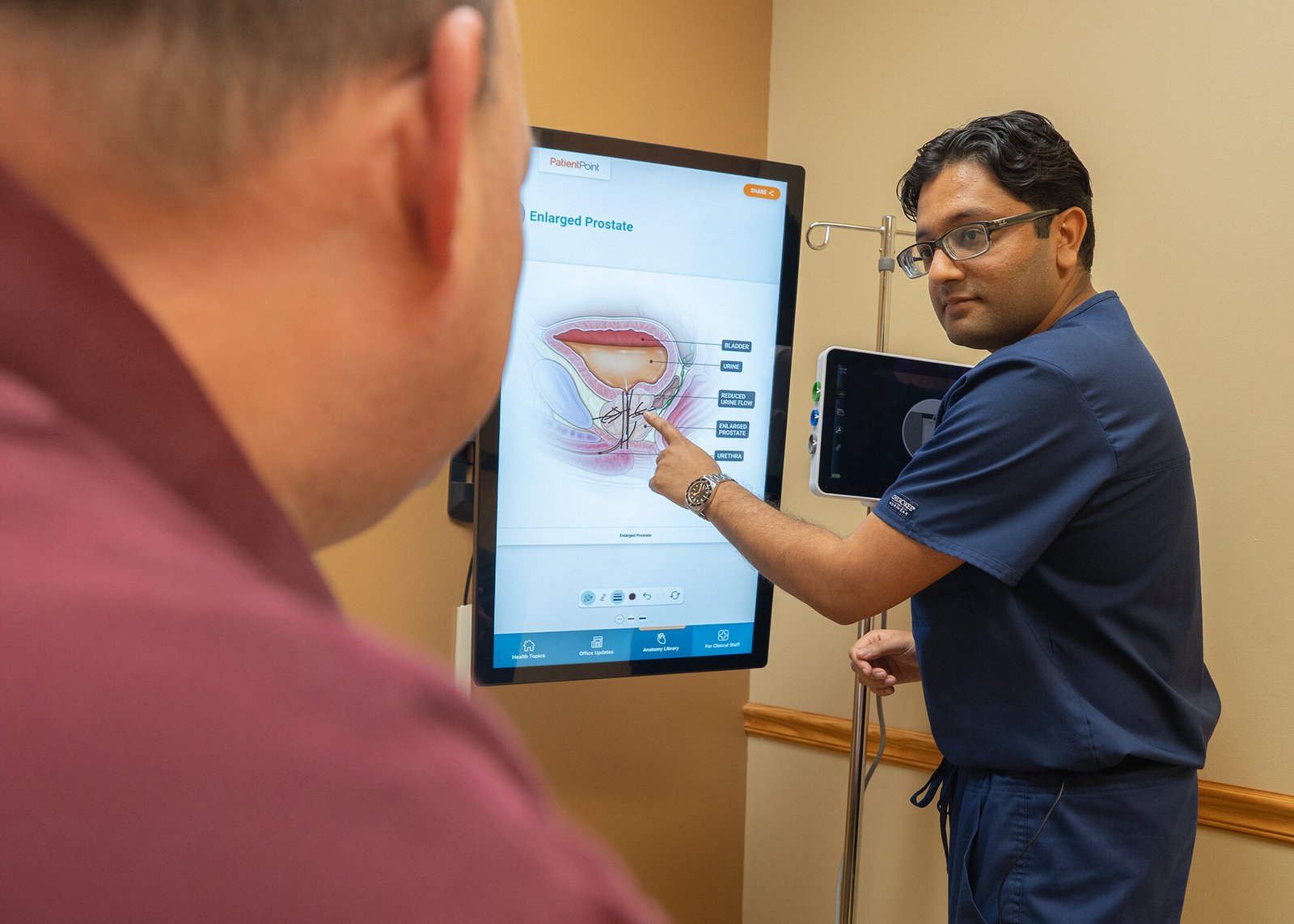
A recent survey conducted by Orlando Health has shed light on the fact that many men are hesitant to discuss their prostate health, with 38% admitting that they would rather endure stressful situations like being stuck in traffic or watching their favorite team lose than address this important issue. This reluctance to talk about prostate health often leads to delayed diagnosis and treatment for conditions like an enlarged prostate.
Dr. Jay Amin, a urologist at Orlando Health, explains that as men age, their prostates tend to enlarge, which can cause symptoms such as urinary frequency, urgency, or difficulty urinating. Despite the impact these symptoms can have on a man’s quality of life, many are reluctant to seek help from their healthcare provider.
Prostate enlargement is a common issue, affecting approximately 60% of men by age 60 and as many as 80% by age 80. While many men try various medications and minimally invasive therapies to alleviate their symptoms, the HoLEP (holmium laser enucleation of the prostate) procedure offers a long-term solution with minimal pain and a quick recovery time. This procedure is performed through the urethra, eliminating the need for external cuts, and has a high success rate with only about 1% of patients needing further treatment after 20 years.
One patient who benefited from the HoLEP procedure is Chris Golden, a marathon runner whose urinary health declined at the age of 50. Despite cutting back on soda and other possible irritants, Chris struggled with urgency and frequency issues until he underwent the procedure. Following a brief hospital stay and a few weeks of recovery, Chris was able to resume his normal activities without the constant worry of needing to find a bathroom.
Dr. Amin emphasizes the importance of discussing urinary symptoms with a healthcare provider, as early intervention can lead to a significant improvement in quality of life. Men are encouraged to seek help for their prostate health concerns, regardless of their age, as effective treatments are available to address these issues.
Overall, the survey results highlight the need for increased awareness and open communication about prostate health among men. By breaking the stigma and seeking timely medical intervention, men can improve their quality of life and avoid unnecessary discomfort and inconvenience.
