
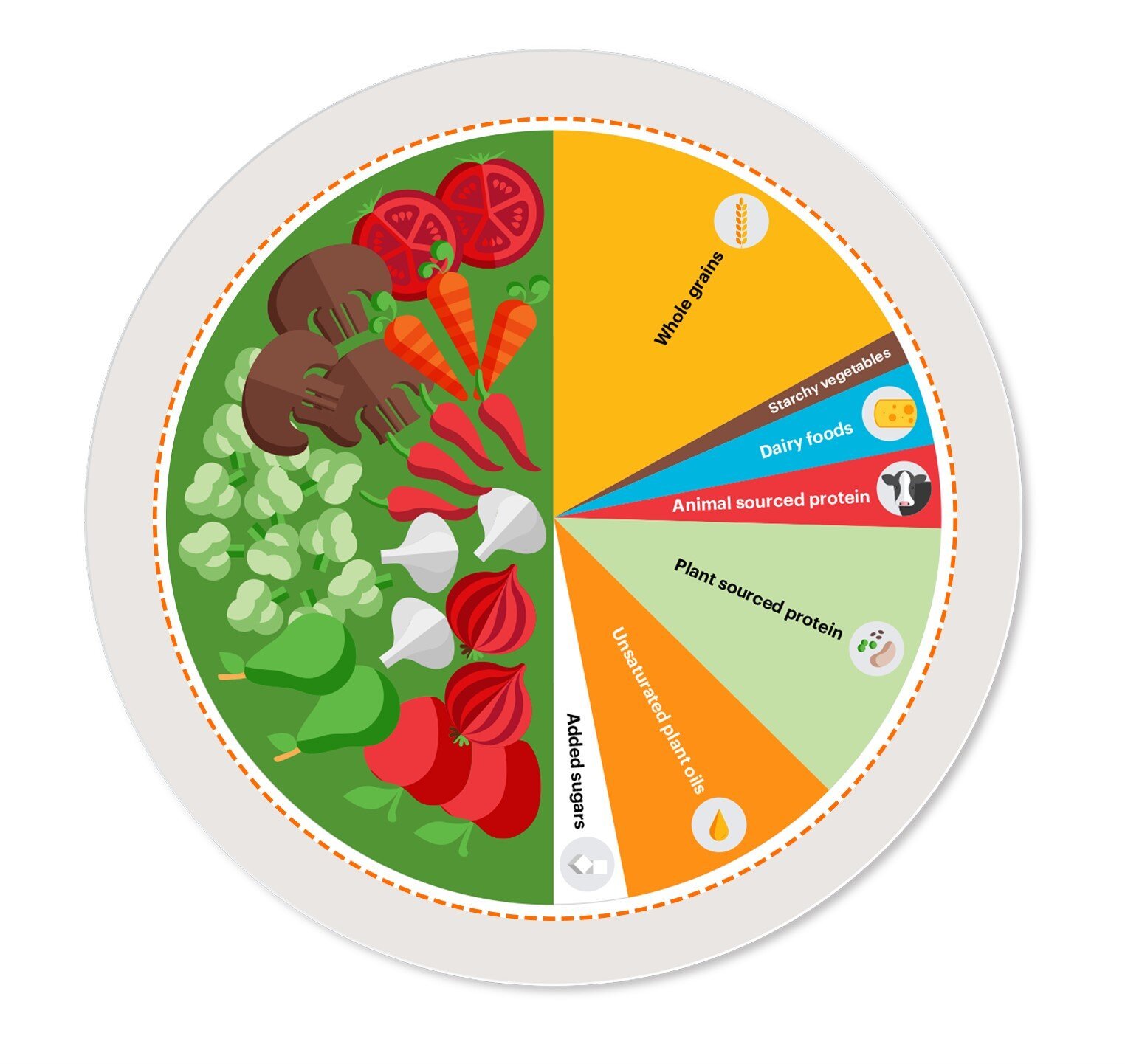
A recent study conducted by Solomon Sowah and colleagues from the MRC Epidemiology Unit at the University of Cambridge, United Kingdom, has highlighted the benefits of a diet focused on healthy plant-based foods. Published in the open-access journal PLOS Medicine on September 16, the study suggests that such a diet may not only lower the risk of type 2 diabetes but also reduce greenhouse gas emissions.
The Planetary Health Diet (PHD) promotes a high consumption of healthy plant-based foods while limiting animal-derived foods and sugary drinks. This dietary approach aims to improve both human health and environmental sustainability. However, there has been limited epidemiological data examining the effects of the PHD on type 2 diabetes and environmental factors such as greenhouse gas emissions.
In this study, researchers analyzed dietary data from over 23,000 individuals in the UK over a period of 20 years. The results showed that higher adherence to the PHD was associated with a lower incidence of type 2 diabetes. Participants with the highest adherence had a 32% lower risk of developing type 2 diabetes compared to those with the lowest adherence. Additionally, those with higher adherence to the PHD also exhibited lower greenhouse gas emissions, with a reduction of 18% compared to those with lower adherence.
While the study does not establish a direct causal link between the PHD and type 2 diabetes, the researchers suggest that promoting healthier plant-based diets could be a crucial strategy for preventing type 2 diabetes and mitigating the negative environmental impact of dietary choices. Dr. Solomon Sowah emphasized the importance of the planetary health diet, which includes higher amounts of whole grains, fruits, and vegetables, and lower amounts of red and processed meat and sugary drinks.
Professor Nita Forouhi, the senior author of the study, highlighted the potential of the planetary health diet to contribute significantly to preventing type 2 diabetes while also reducing the environmental impact of food consumption. The findings suggest a win-win situation for both human and planetary health, emphasizing the need for collective action from individuals and policymakers to align food consumption with this sustainable dietary approach.
For more information, the study titled “The association of the planetary health diet with type 2 diabetes incidence and greenhouse gas emissions: Findings from the EPIC-Norfolk prospective cohort study” can be accessed in PLOS Medicine. This study underscores the importance of sustainable, plant-based diets in benefiting both human health and the environment.
Source: PLOS Medicine, MedicalXpress.