
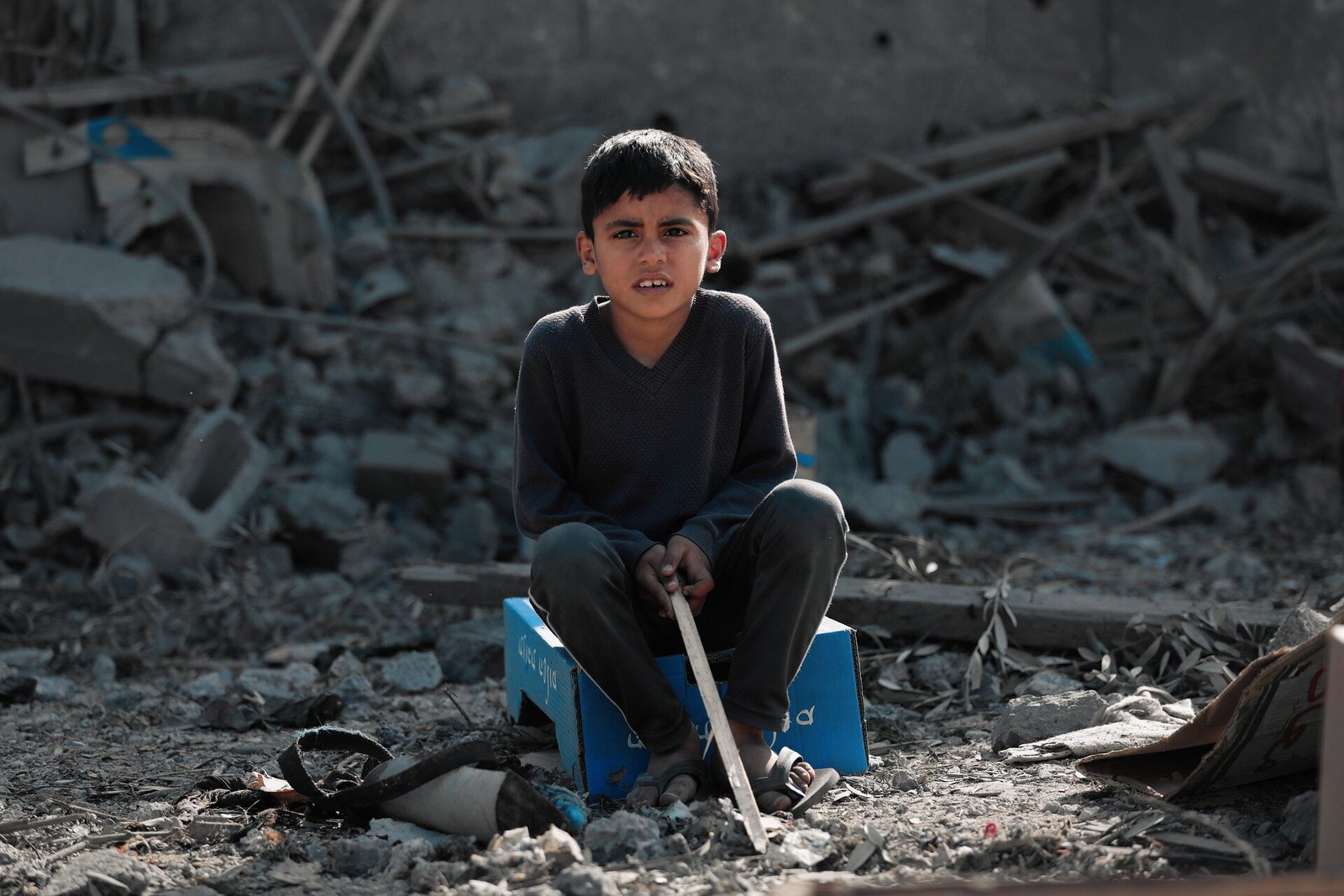
The ongoing conflict in Gaza has led to a devastating humanitarian crisis, particularly impacting children. A recent study published in The Lancet sheds light on the alarming levels of malnutrition among children in the region. More than 54,600 children in Gaza are estimated to be acutely malnourished, with over 12,800 classified as severely malnourished. The study, conducted by the UN Relief and Works Agency for Palestine Refugees in the Near East (UNRWA), tracked wasting among children over a 20-month period, highlighting the dire situation in the war-torn territory.
The prevalence of acute malnutrition, as measured by mid-upper arm circumference (MUAC) screenings, showed a significant increase during the study period. The data collected revealed that the prevalence of wasting rose from 4.7% in January 2024 to 15.8% by mid-August 2025. The impact of aid restrictions and blockades on food and medical supplies was evident, with fluctuations in malnutrition rates corresponding to changes in access to humanitarian aid.
In August 2025, the UN Integrated Food Security Phase Classification (IPC) confirmed famine in Gaza City, with critical conditions prevailing in the rest of the Gaza Strip. The study underscores the urgent need for increased international support to address the growing crisis of child malnutrition in the region.
Dr. Akihiro Seita, the UNRWA Director of Health, emphasized the importance of sustained humanitarian assistance to prevent further deterioration of the situation. Dr. Masako Horino, the lead scientist for the study, highlighted the long-term consequences of malnutrition on children’s health and development, calling for immediate action to address the crisis.
The study also faced challenges in data collection, including limited access to certain areas and safety concerns for researchers. Despite these obstacles, the findings provide crucial insights into the impact of the conflict on child malnutrition in Gaza.
In a commentary accompanying the study, experts expressed concern about the long-term effects of malnutrition on children’s health and well-being. They stressed the need for comprehensive strategies to address the immediate and future consequences of food insecurity in Gaza.
The study’s publication in The Lancet serves as a call to action for the international community to prioritize support for the vulnerable population in Gaza. Urgent intervention is needed to prevent further escalation of the crisis and ensure the well-being of children affected by the conflict.