
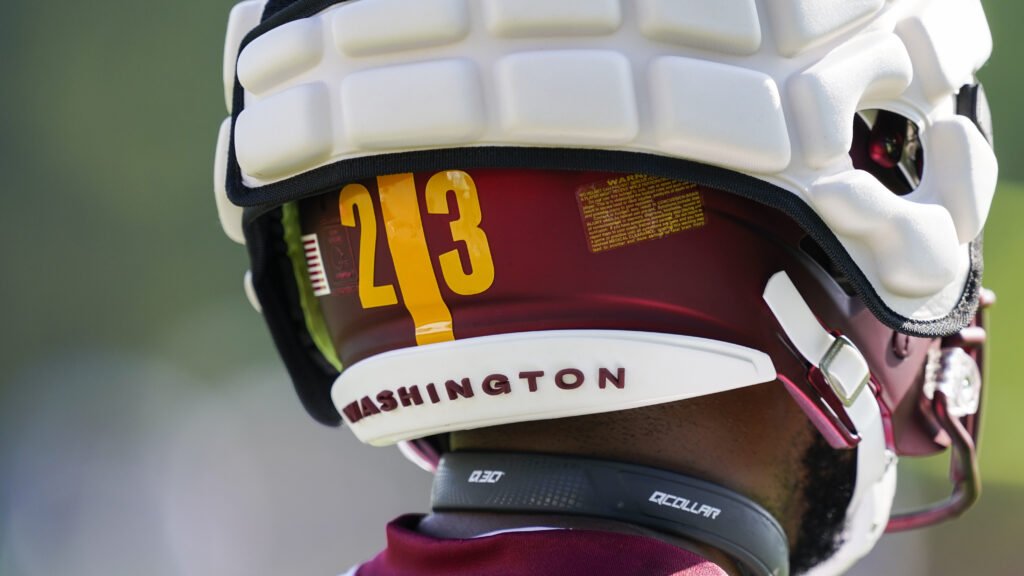
The Q-Collar — a neck collar inspired by the woodpecker — has gained popularity among NFL players and young athletes since its debut in 2012. Initially marketed as a device that could reduce concussion risk by applying light pressure to the jugular veins, the Q-Collar later shifted its language to claim that it could “protect the brain.” With millions of dollars in funding and an FDA authorization, the company promotes the collar as a solution for brain protection.
However, a recent investigation revealed that FDA reviewers had significant reservations about the device. Internal memos exposed doubts about the data, discrepancies between MRI findings and real-world injury outcomes, and uncertainty regarding the statistical findings presented by the company. Despite these concerns, the official announcement of FDA authorization in 2021 painted a positive picture of the collar’s effectiveness.
The Q-Collar was authorized through the de novo pathway as a Class II device, indicating moderate risk. While consumers often equate “FDA authorized” with “FDA approved,” the two designations have distinct criteria. Authorization allows marketing based on a “reasonable assurance of safety and effectiveness,” even when the data are inconclusive. This can create a misleading impression of certainty around the product’s efficacy.
The marketing of brain protection gear, including the Q-Collar and similar products like Guardian Caps, capitalizes on public concern about concussions and CTE in athletes. While these products do not claim to prevent concussions outright, their messaging often implies reduced risk, leading consumers to believe in their effectiveness. However, the true impact of these devices on individual users remains difficult to verify, creating a cycle of self-reinforcing beliefs.
Instances like the concussion suffered by Sauce Gardner, a player endorsed by the Q-Collar, highlight the limitations of these devices. Rather than acknowledging such incidents as evidence of ineffectiveness, proponents often view them as validation of the collar’s necessity. The FDA’s authorization further reinforces the perception of legitimacy, fostering unwavering belief in the product.
The approval process for medical devices like the Q-Collar reflects a broader societal tendency to seek simple solutions to complex issues. The demand for innovative devices, coupled with regulatory leniency, encourages the proliferation of products with questionable efficacy. This culture of expedited approvals and ambiguous data undermines public trust and diverts attention from evidence-based interventions.
To address these challenges, greater transparency is needed in the regulatory process. Publishing reviewer memos, providing clear labeling distinctions, and offering accessible summaries of the evidence can help consumers make informed decisions about medical devices. By prioritizing transparency and evidence-based practices, regulators can uphold public trust and ensure the safety of healthcare products.
In conclusion, the case of the Q-Collar illustrates the importance of transparency and accountability in the medical device industry. By promoting a culture of openness and clarity, regulators can empower consumers to make informed choices and uphold the integrity of the healthcare system.