
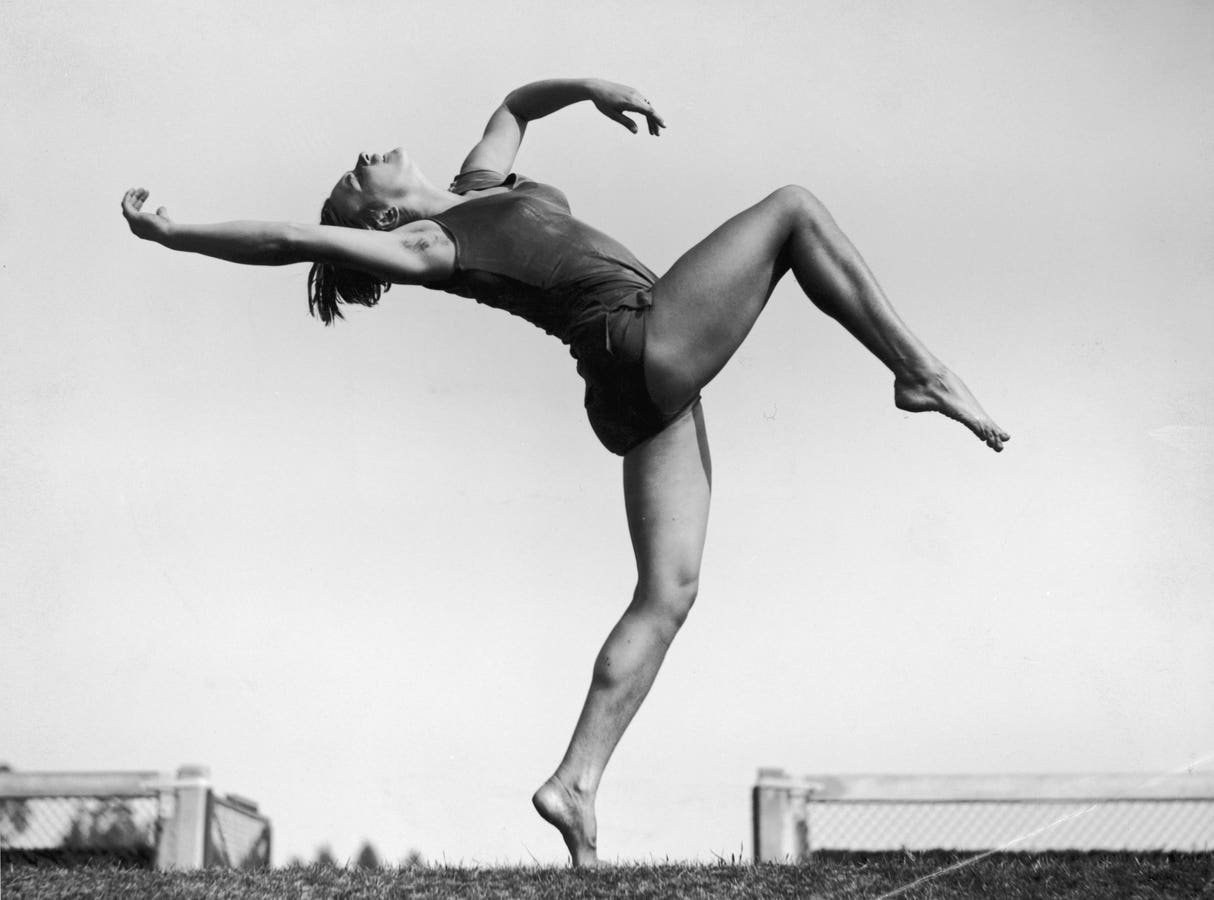
Gymnastic dancing in Germany, 1943. Photo by FPG/Hulton Archive/Getty Images
Getty Images
Brief, intentional movement, known as exercise snacks or mindful motion, can significantly enhance posture, focus, stress resilience, productivity, and mental well-being. Viewing movement as both a form of medicine and a powerful tool for personal and professional growth is a crucial step towards a holistic and consciously crafted lifestyle.
Rethinking Movement: From Metrics To Mindfulness
Mainstream fitness culture has historically focused on performance metrics (such as calories burned, steps counted, reps completed) rather than appreciating the inherent intelligence of natural movement. This approach has led to a transactional view of physical activity, treating the body as a machine to optimize rather than a dynamic living system to nurture.
However, a more restorative narrative is emerging in the wellness sphere, positioning movement not as a mere task but as a form of medicine. This paradigm shift redefines human motion as a vital rhythm for well-being, performance, and mental clarity. Embracing consistent, embodied movement as a daily anchor rather than restricting exercise to intense sessions is key to this mindful approach.
From micro-movements and walking rituals to posture resets and breath-led flows, these practices offer tangible, sustainable tools for peak performance. When practiced mindfully, movement becomes a somatic strategy that enhances focus, regulates emotions, and restores cognitive function. For leaders, creatives, and decision-makers, mindful movement can bridge the gap between chronic depletion and sustainable excellence.
This shift in perspective is rooted in the timeless understanding that the human body thrives on frequent, intentional movement. Purposeful physical activity not only benefits muscles and joints but also nourishes the brain, nervous system, and internal landscape that shape our responses to challenges and changes.
Mindful movement is not a distraction from productivity but a foundational element that enables it to flourish.
The Rise of “Exercise Snacks”
Coined by physiologists, exercise snacks are brief bursts of movement, typically lasting one to five minutes, strategically integrated into daily routines. Examples include a quick stair climb between virtual meetings, a series of yoga stretches before breakfast, or a brief set of squats at the start of every hour. These micro-sessions require no special equipment and can be seamlessly incorporated into daily activities.
Research published in Nature Medicine in 2022 revealed that adults engaging in short, vigorous bouts of physical activity multiple times a day experienced significant reductions in the risk of mortality and cardiovascular diseases. These findings underscore the importance of frequency in physical activity, showcasing how small, purposeful movements accumulate over time to shape long-term health outcomes and sustain energy, focus, and resilience.
The key takeaway is clear: the body responds favorably to consistent movement, emphasizing the impact of small, intentional actions on overall well-being and performance.
Posture And Mobility: Undoing The Sedentary Spiral
Extended periods of sitting not only impact spine flexibility but also affect lung function, gait patterns, and pain perception in the brain. Researchers from the British Journal of Sports Medicine found that incorporating short movement breaks every 30 minutes improved spinal mobility, core engagement, and reduced musculoskeletal discomfort.
Mindful movements like tai chi, dynamic stretching, or simple neck and shoulder rotations help realign posture by reconnecting the body to gravity and breath. This reconnection is particularly crucial for individuals in sedentary occupations who spend extended hours in digital postures, disconnected from bodily sensations.
Mental Health And Stress Resilience To Move Beyond the Mind
Movement not only impacts physical well-being but also influences brain chemistry. A meta-analysis published in The Lancet Psychiatry in 2023 showed that regular, rhythmic, low-intensity physical activities like walking led to a significant reduction in depression symptoms. These movements activate the parasympathetic nervous system, regulating cortisol levels and boosting serotonin and dopamine production.
Engaging in coordinated movement with breath for as little as five minutes can help reset the nervous system, making mindful motion a valuable tool for managing stress and promoting daily well-being in both personal and professional contexts.
Cognitive Sharpness To Move Into Flow
Physical movement and mental acuity are closely linked, as demonstrated in a review published in NeuroImage in 2022. Sub-maximal movement increases blood flow in the prefrontal cortex, enhancing focus, decision-making, and working memory. Many high-performing professionals and creatives find that their best ideas emerge during periods of movement, indicating the positive impact of incorporating “movement breaks” into the workday.
The connection between movement and cognitive function highlights the influence of context on cognition. When the body is in motion, it provides the brain with a unique perspective to tackle challenges, resolve conflicts, and foster innovation.
From Fitness To Fluidity
The evolving paradigm of movement emphasizes quality over quantity. When physical activity is distributed throughout the day and divorced from performance pressures, it becomes more accessible, intuitive, and inclusive. This shift redefines movement as a universal practice, irrespective of age, ability, or schedule.
Replacing the all-or-nothing approach of traditional fitness culture, a fluid motion strategy incorporates brief but impactful movements into daily routines. These micro-movements, though short in duration, yield significant benefits, contributing to overall well-being in a sedentary society.
Moreover, this approach holds promise for promoting health equity, offering low-barrier, high-impact interventions through movement “snacks” and mindful motion practices, particularly for individuals facing structural or economic obstacles in accessing traditional exercise environments.
The Future Of Fitness Isn’t Harder, Longer Or Faster
It’s about working smarter, simpler, and more sustainably.
While the scientific evidence supporting movement is compelling, the true essence lies in its human connection. Our bodies communicate continuously, signaling the need for motion to reaffirm vitality, agency, and the capacity for renewal. Movement transcends mere medicine; it serves as a mirror, reflecting our innate vitality and the essence of our existence.
Ultimately, movement is not just a means to an end but a profound reminder that true health is found in presence, experience, and intentional acts that rekindle our fundamental truth: we are designed to move.