
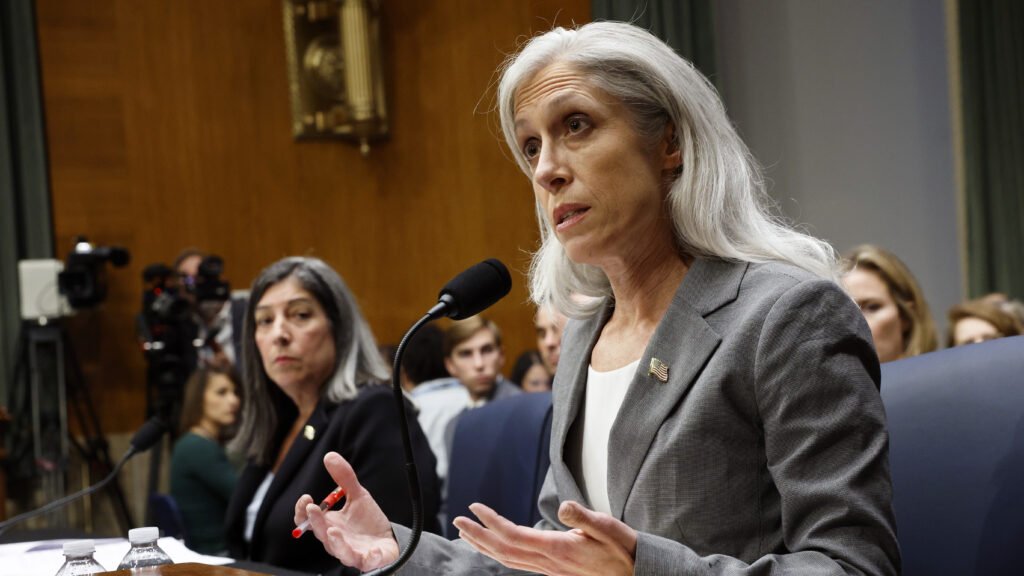
The recent Senate hearing on the exodus of top leaders from the Centers for Disease Control and Prevention (CDC) last month has raised more questions than answers. Former CDC Director Susan Monarez and former Chief Medical Officer Debra Houry testified about how Health Secretary Robert F. Kennedy Jr. muzzled the agency, expanded the roles of political appointees, and pushed ideas without scientific backing. This departure from the promised “radical transparency” and “gold-standard” science could potentially make the nation sicker, not healthier, they warned.
Kennedy’s short-term plans, including overhauling the childhood vaccine schedule and further politicizing agencies like the CDC, were discussed during the hearing. Kennedy and the Department of Health and Human Services have refuted the claims made by the former officials.
The hearing shed light on the growing influence of Kennedy’s anti-vaccine views on federal government policy, potentially alienating important allies. Committee chairman Sen. Bill Cassidy, who supported Kennedy’s appointment as health secretary, showed signs of wavering support during the hearing due to disagreements on vaccines.
Monarez and Houry detailed how Kennedy politicized the CDC, replaced experienced researchers with political allies, and pressured leaders to accept a vaccine agenda not supported by science. These changes pose a threat to the health of Americans who rely on evidence-based guidance from the CDC.
The hearing also delved into the circumstances surrounding Monarez’s firing, with conflicting accounts between her and Kennedy. Cassidy and Sen. Bernie Sanders requested access to any recordings that may exist of the meeting between Monarez and Kennedy to clarify the situation.
Monarez revealed that Kennedy lacked data or scientific evidence to support changes he wanted to make to the childhood vaccination schedule. This raised concerns among public health advocates and clinicians, including Cassidy, who emphasized the importance of universal newborn vaccination against hepatitis B in reducing infections and preventing severe health complications.
As the debate over Kennedy’s leadership and the future of the CDC continues, Republicans and Democrats alike are calling for more transparency and investigation into the changes at the agency. While some Republicans expressed distrust in Kennedy’s vaccine advisory committee, others are withholding judgment until more information is available.
The hearing highlighted the conflicting narratives surrounding Kennedy’s leadership at the CDC and the potential implications of his anti-vaccine views on public health policy. As the investigation unfolds, the future of the CDC and the Department of Health and Human Services remains uncertain.