
Listening: The Key to Understanding Cardiac Recovery
As a clinician and researcher in cardiac rehabilitation, I’ve come to realize that the most crucial tool in our work is not a stethoscope or a treadmill—it is our ability to listen. Listening goes beyond just hearing the words patients say; it involves understanding the nuances of their experiences, fears, and hopes after a heart event. This skill is at the core of qualitative research in healthcare and is essential for a holistic understanding of recovery.
While traditional clinical metrics like blood pressure, cholesterol levels, and exercise capacity are important, they only tell part of the story. Qualitative research gives patients a voice. Through methods such as interviews, focus groups, and open-ended surveys, we can uncover what truly matters to individuals living with cardiovascular disease. This includes their daily anxieties, the small victories that keep them motivated, and the barriers that may hinder their rehabilitation progress. These insights, often overlooked in quantitative data, are crucial for designing programs that genuinely support recovery.
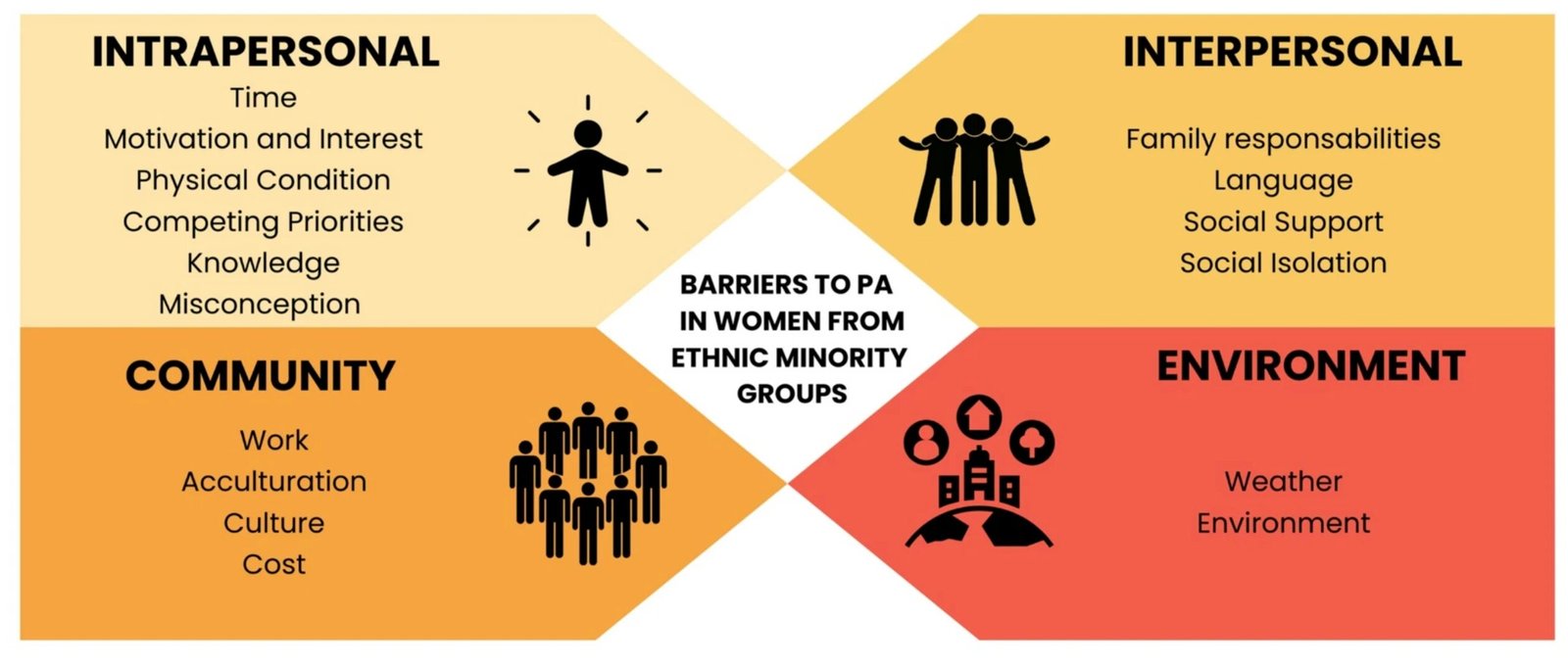
A recent study, “Barriers to physical activity in women from ethnic minority groups: a systematic review,” published in BMC Women’s Health, sheds light on the significance of this approach. The review, guided by the social-ecological model, identified individual, interpersonal, and environmental barriers to physical activity among women from ethnic minority groups. These barriers ranged from time constraints and cultural expectations to family responsibilities and unsafe environments. What stood out was that the majority of studies—85.9%—used qualitative methods, emphasizing the importance of listening to lived experiences to uncover challenges that quantitative research may miss.
By amplifying the voices of women from diverse cultural backgrounds, the study underscores the need for interventions that are culturally sensitive and responsive to real-world circumstances. This is particularly relevant in cardiac rehabilitation, where understanding patients’ stories helps us grasp not only their physical limitations but also the social, cultural, and emotional factors influencing their recovery process. Programs that incorporate patient perspectives have been shown to enhance engagement, adherence to lifestyle changes, and confidence in managing health.
The power of listening lies in its ability to unveil insights that can enhance care. Every patient’s story contains valuable information that can lead to improved patient education and rehabilitation programs. As healthcare professionals, it is essential for us to pause, inquire, and truly listen. It is in these moments of dialogue that innovation in patient care is born.
Cardiac rehabilitation is not solely about restoring physical health; it is about rebuilding confidence, hope, and a sense of control. Qualitative research serves as a reminder that recovery is deeply personal, and effective programs are those that acknowledge patients as experts in their own experiences. Listening is the initial step towards creating meaningful change.
If we aim to narrate a compelling story about cardiac recovery, we must begin by listening. Only then can we craft a narrative that resonates—not just within the realm of science, but within the lives of those who depend on it.
